
 English
 Español
 عربى
 View More

 Industry News
Home / News / Industry News / Polyvinyl Chloride Coating: Stabilizer Selection for PVC Coating Lines
Polyvinyl Chloride Coating: Stabilizer Selection for PVC Coating Lines
Complete Stabilizer Platforms for Every PVC Application
Content
- 1 What a Polyvinyl Chloride Coating Actually Contains
- 2 Where the Heat Stabilizer Earns Its Place on a Coating Line
- 3 Matching the Stabilizer Package to the Coating Type
- 4 Coating Defects That Trace Back to Stabilization
- 5 How to Qualify a Stabilizer for a Coating Line
- 6 Frequently Asked Questions About Polyvinyl Chloride Coating
A 0.30 mm plastisol coating on a polyester scrim spends around 90 seconds at 195 °C before it leaves the oven. Whether it comes out clear and flexible or hazy with a yellowed edge is usually settled by 2 to 5 parts of heat stabilizer per hundred parts resin, not by the resin grade printed on the bag.
Thin films are less forgiving than rigid PVC extrusion. The heat history is long, the section is thin, and any hydrogen chloride released during fusion stays close to the chain that produced it. Stabilizer selection on a coating line therefore deserves more attention than the drum label suggests.
What a Polyvinyl Chloride Coating Actually Contains
A polyvinyl chloride coating is a formulated compound of PVC resin, plasticizer, heat stabilizer, filler, pigment and adhesion promoter, applied as a paste, organosol or calendered film and fused into a continuous layer on a substrate.
Definition: a polyvinyl chloride coating is a thermoplastic PVC layer formed in place on fabric, wire, sheet or board by heating the compound until the resin particles fuse. No solvent evaporates to build the film, which is why heat history matters more here than in a lacquer or a paint.
That difference shapes the formulation. In a plastisol the resin absorbs plasticizer and fuses somewhere between 170 °C and 205 °C. In calendering the compound is fluxed on hot rolls and then polished between them. Both routes hold a thin section at temperature for tens of seconds while it is exposed to air, and both leave far less room for error than an injection moulding cycle.
| Component | Loading | Function | Failure without it |
| PVC paste resin, K 65 to 75 | 100 | Forms the continuous film | No coherent layer |
| Plasticizer | 40 to 80 | Flexibility and fusion range | Brittle film, cracks on flex |
| Heat stabilizer | 2 to 5 | HCl scavenging, colour hold | Yellowing, plate-out, viscosity drift |
| Calcium carbonate | 0 to 30 | Cost, hardness, opacity | Higher cost, softer film |
| Titanium dioxide or pigment | 0 to 10 | Whiteness and hiding power | Grey tone, poor coverage |
| Adhesion promoter | 1 to 3 | Bond to fabric or wire | Delamination, edge blistering |
The stabilizer is the smallest reactive part of that table, and the only component working against the polymer while the film is being formed.
Where the Heat Stabilizer Earns Its Place on a Coating Line
A heat stabilizer protects a PVC coating by absorbing hydrogen chloride as it forms, replacing labile chlorine atoms along the chain, and adding across the conjugated double bonds that would otherwise develop into visible colour.
The chemistry runs in sequence. Labile chlorines, especially those near a branch or a double bond, leave as HCl once the compound is hot. Each departure creates an allylic site where the next chlorine is easier to remove, so the reaction accelerates along the chain and shows up first as a faint yellow that deepens towards amber or brown. In a 0.30 mm film there is very little thermal mass, so the usable window is narrower than in a pipe or a window profile.
190 to 205Fusion window, degrees C
60 to 120Typical oven dwell, seconds
2 to 5Usual stabilizer dose, phr
Stabilizer form matters as much as chemistry. Liquid barium-zinc systems disperse directly in plasticizer and remain the default route for plastisol-coated fabric and synthetic leather, where the coating has to stay clear through a long oven.
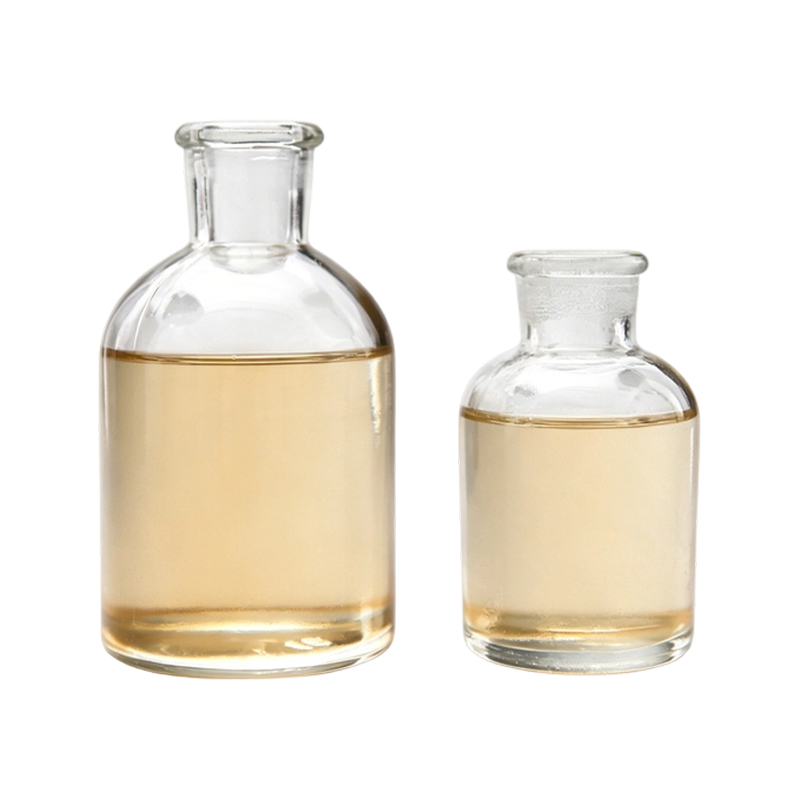 Liquid Ba/Zn Heat Stabilizer for PVC Synthetic LeatherLiquid barium-zinc stabilizer for PVC synthetic leather and plastisol-coated fabrics, offering good dispersion, initial color and transparency for clear coating applications.View Product →
Colour hold is a time budget: every extra minute in the oven has to be paid for with stabilizer dose, or with a system that keeps working after the first HCl has already been absorbed.
Zone 1 gelling
160
Zone 2 gelling
180
Zone 3 fusion
195
Zone 4 fusion
200
Zinc soaps are effective HCl acceptors, but they can accelerate further dehydrochlorination once the soap is spent, the effect known as zinc burning. That is why calcium-zinc and barium-zinc packages are balanced with co-stabilizers such as epoxidised oils, phosphites and beta-diketones rather than judged on metal content alone.
Matching the Stabilizer Package to the Coating Type
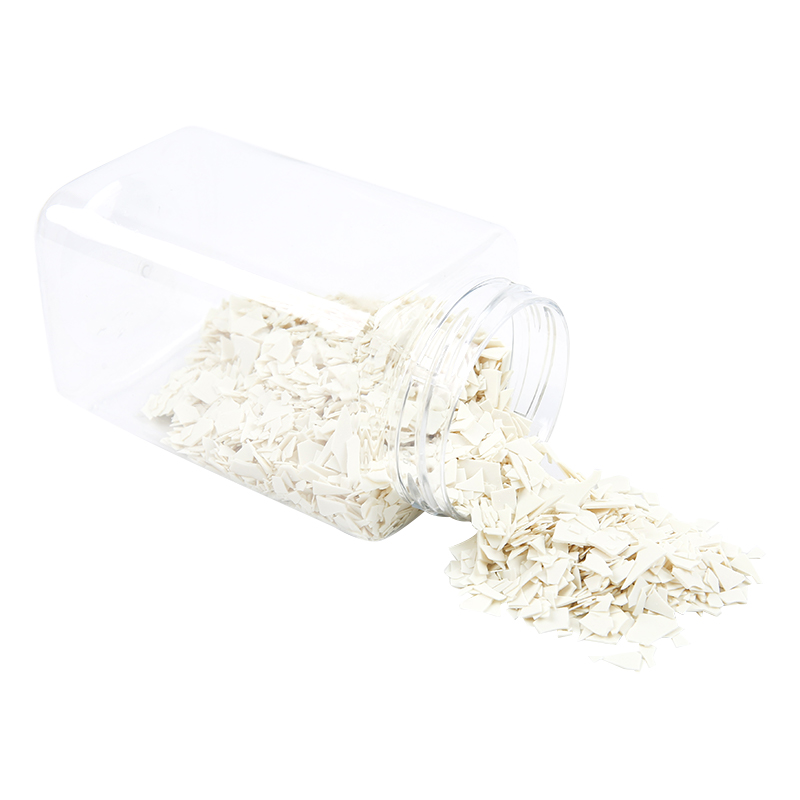
The coating process, not the resin K value, decides which stabilizer family fits a line: liquid barium-zinc for plastisol and coated fabric, powder calcium-zinc one-pack for calendered sheet and rigid board, and cadmium-bearing liquids only where local regulations still permit them.
| Coating type | Typical stabilizer | Why it fits | Watch-out |
| Plastisol coated fabric, synthetic leather | Barium-zinc liquid | Stays clear, disperses in plasticizer, holds paste viscosity | Clarity drops if the barium to zinc ratio drifts |
| Calendered sheet and rigid board | Calcium-zinc one-pack powder | Plate-out control on hot rolls, strong early colour | Zinc burning on long dwell above 200 °C |
| Advertising and graphic film | Barium-cadmium-zinc liquid | Gloss, whiteness and outdoor colour retention | Cadmium is restricted in several markets |
| Wire and cable jacketing | Calcium-zinc one-pack | Heat ageing and volume resistivity | Plasticizer migration changes flexibility |
A one-pack powder removes weighing error from the batch card, and on a coating line the small components are usually where the error is made. The gain in reproducibility often outweighs a marginal difference in initial colour.
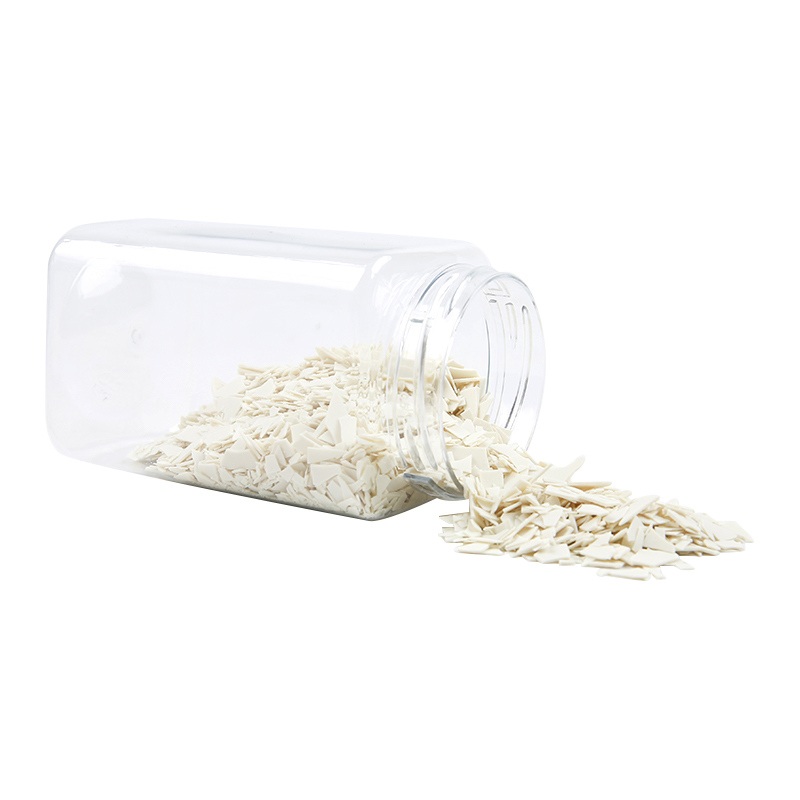
For calendered sheet, board and foamed profiles, dosing simplicity is worth real money. One number on the batch card replaces four, and the operator has less chance of reversing two similar white powders. Our calendered film and sheet applications overview shows the property targets most buyers screen against.
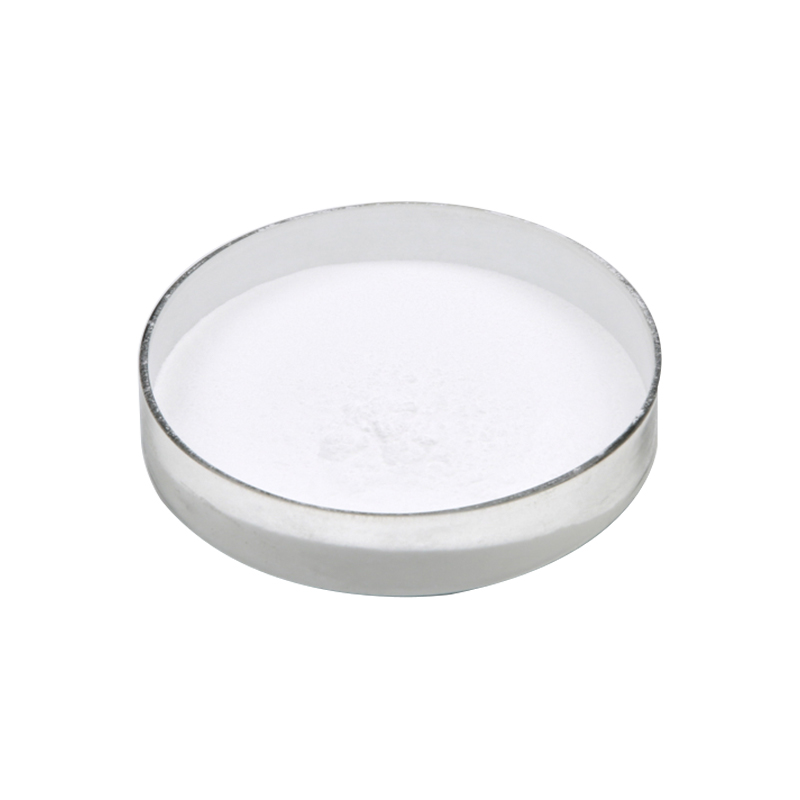 Calcium/Zinc One Pack Heat Stabilizer for PVC BoardsPowder Ca/Zn one-pack stabilizer for PVC boards, SPC/WPC and decorative panels, simplifying dosing while supporting foaming, weathering and processing performance.View Product →
Coating Defects That Trace Back to Stabilization
Most coating defects blamed on resin or oven settings trace back to stabilizer dose, dispersion or compatibility, and they tend to appear in the same order as the compound heats up.
- Yellow edge at the oven exit. The selvedge runs hotter and sees more air than the centre of the web, so a dose that is marginal in the middle fails at the edge first.
- Plate-out on rolls and guides. Incompatible lubricants or unreacted metal soaps deposit as a white film, then transfer back onto the coating as streaks and matt patches.
- Viscosity drift in the drum. A plastisol that thickens across a shift is often absorbing HCl and starting to cross-link before it ever reaches the knife.
- Haze in clear coatings. Moisture and chloride reaction products scatter light, so a clear film that turns milky is usually a stabilizer balance problem rather than a plasticizer problem.
- Blisters and low peel strength. Under-fusion leaves a weak boundary layer at the fabric interface, and it reads as an adhesion failure even though the adhesive never changed.
A stabilizer that passes a static oven test can still fail on a running line. Static tests hold temperature steady; a coating line combines temperature with shear, air exposure and a section only a few tenths of a millimetre thick.
How to Qualify a Stabilizer for a Coating Line
Qualify a coating stabilizer on four measured outputs: static heat stability, dynamic roll-mill stability, colour after oven exposure, and viscosity retention over 24 to 72 hours.
Calcium-zinc one-pack powder
- Weighs and stores like a filler, no pumping equipment
- Better early colour in many white formulations
- Needs co-stabilizer balance to avoid zinc burning
- Suits calendered sheet, board and rigid profiles
Barium-zinc liquid
- Meters by pump, dose adjusts while the line runs
- Keeps clarity in clear and transparent coatings
- Tolerates longer dwell before colour shifts
- Depends on the correct barium to zinc ratio
- Run the static heat stability test at the real oven temperature, not at a standard 180 °C.
- Mill samples for 5, 10 and 15 minutes and record colour after each pass.
- Hold the plastisol at 40 °C for 72 hours and measure viscosity every 24 hours.
- Run 200 m of coated web and inspect rolls and guides for plate-out.
- Check the metal content and carrier on the batch certificate against the trial sample.
A structured calcium-zinc buying checklist is useful here, because composition data and trial data rarely disagree as often as trial data and a sales sheet do.
Clear and white coatings punish small errors hardest. A b-value drift of one unit is invisible on a grey profile and obvious on a transparent film or a white graphic film.
That is why graphic and advertising film producers tend to specify liquid systems with a documented colour curve, even when a powder would cost less per kilogram.
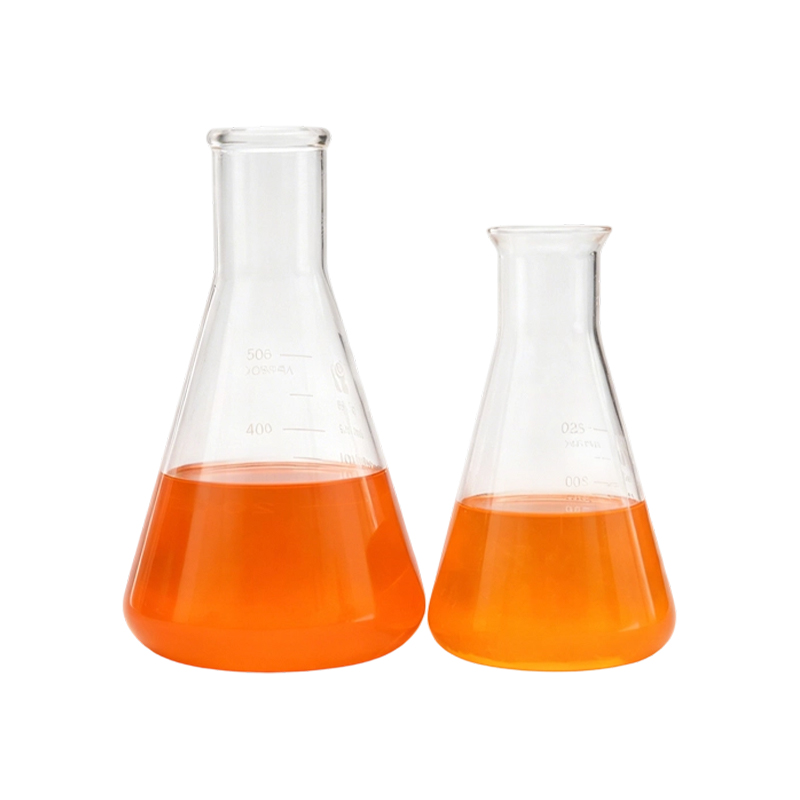 Liquid Ba/Cd/Zn Heat Stabilizer for PVC Advertising FilmLiquid barium/cadmium/zinc stabilizer for PVC advertising and decorative films, with good initial color, transparency and printing performance for film coating needs.View Product →
Frequently Asked Questions About Polyvinyl Chloride Coating
What stabilizer loading does a PVC coating normally need?
Most plastisol and organosol coatings run 2 to 5 phr of heat stabilizer. Clear coatings and thick sections sit at the top of that range, while filled and pigmented coatings can sit lower. Oven temperature and dwell time set the final number.
Can calcium-zinc replace barium-zinc in a plastisol?
Sometimes, but not automatically. Calcium-zinc one-packs give strong early colour and simpler dosing, while barium-zinc liquids hold clarity and viscosity better over long dwell. Any swap needs a full trial on the actual oven, not a datasheet comparison.
Why does the coating yellow at the web edge first?
The selvedge usually runs hotter and receives more air than the centre of the web. A dose that is marginal in the middle will fail at the edge, so the edge is the honest place to judge stabilizer adequacy.
Does the stabilizer affect adhesion to fabric?
Indirectly, yes. Under-fusion leaves a weak boundary layer at the fabric interface, and a package that slows fusion or releases reaction products at the surface can reduce peel strength. Adhesion trials should include stabilizer variants, not only adhesive variants.
Coating trials compare cleanly only when oven profile, line speed, coat weight and colour target are fixed before the first drum is opened.
Let’s Build the Future Together
We are a company specializing in the research, development, production, and sale of PVC stabilizers.
Get a Quote
Product Categories
Quick Links
Contant us
-
 +86-15206141222
-
 zptian2008@163.com
-
 No. 66, Xingsheng Road, Nandu Town, Liyang City, Jiangsu Province, China
Copyright © JiangSu Uniwel Chemistry Co.,Ltd. All Rights Reserved.
 PVC Stabilizer Manufacturer PVC Stabilizer Supplier PVC Stabilizer Factory in China