

 English
 Español
 عربى
عربى Get a Quote
Why Choose a Lead-Based One-Pack Heat Stabilizer System?
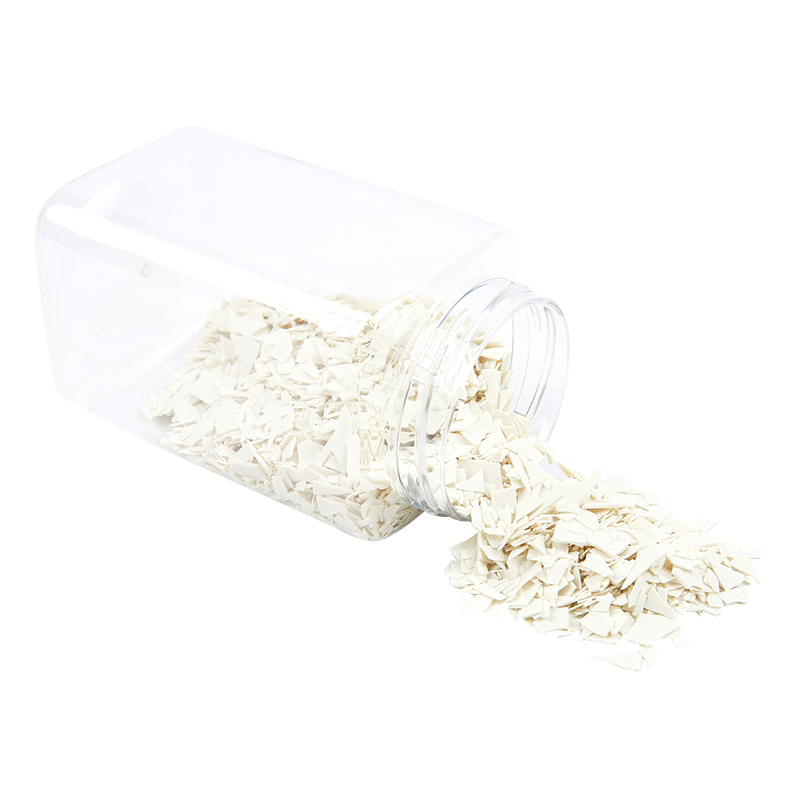
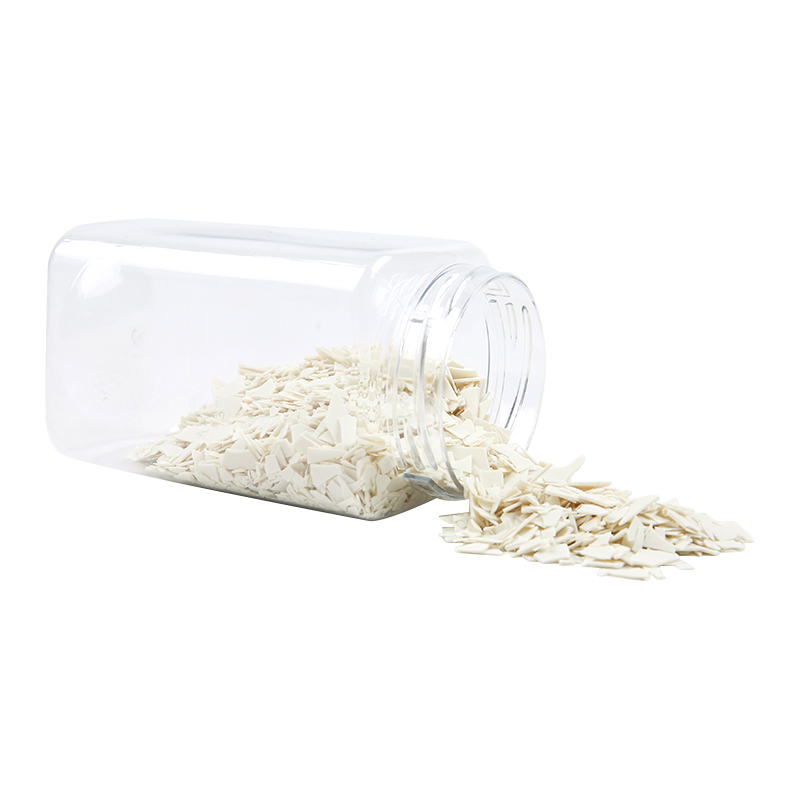
In many rigid PVC processing lines, separate weighing of stabilizer, lubricants, and co-stabilizers leads to inconsistencies and dust exposure. A Lead-Based One-Pack Heat Stabilizer integrates all required additives into a single, homogeneous granule, eliminating multi-component handling and reducing the risk of human error. This all-in-one approach ensures uniform dispersion and consistent thermal protection throughout every batch.
| Parameter | Traditional Multi‑Component | One‑Pack System |
|---|---|---|
| Dust generation | High | Very low |
| Weighing accuracy | Prone to error | Consistent, single addition |
| Dispersion uniformity | Variable | Excellent |
| Storage space | Multiple silos/containers | Single container |
| Changeover time | Longer | Fast |
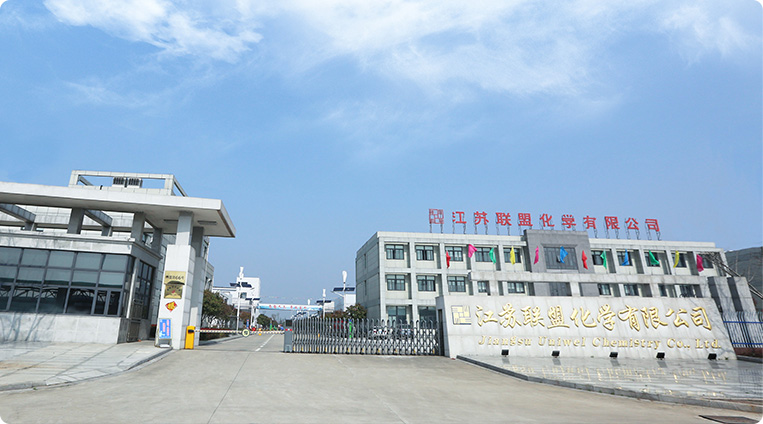
At Jiangsu Uniwel Chemistry Co., Ltd., our Lead-Based One-Pack Heat Stabilizer is formulated with an optimized lubricant balance specifically designed for window profile and pipe extrusion. Customers report reduced plate-out and significantly extended continuous running times compared to conventional stabilizer packages.
Maximizing Output with Lead-Based PVC Stabilizer in Extrusion
Achieving optimal fusion and low melt viscosity is critical in high‑speed extrusion of rigid profiles. The Lead-Based PVC Stabilizer system not only provides thermal protection but also directly influences fusion torque and metal release, making it a key factor in line speed and surface quality. Proper matching of the stabilizer’s lubricant component to the extruder’s shear profile prevents both over‑plastication and premature degradation.
Key Processing Parameters
- Barrel temperatures: typically 160–190 °C (zones 1–4)
- Die temperature: 190–205 °C; exceeding 205 °C melt temperature can initiate dehydrochlorination
- Fusion time (torque rheometer): 60–120 s for medium‑shear formulations
- Equilibrium torque: 8–15 N·m indicates good fluxing without excessive shear heating
- Vacuum venting: maintain at least −0.06 MPa to remove volatiles and avoid bubbles
Jiangsu Uniwel’s Lead-Based PVC Stabilizer grades are engineered for a wide processing window and low energy consumption. By minimising friction and promoting controlled fusion, these stabilizers help extruders push line speeds higher while maintaining excellent gloss and dimensional stability.
The Role of Lead Stabilizer in PVC Long‑Term Heat Stability
The primary mechanism of a Lead Stabilizer in PVC is the irreversible scavenging of hydrogen chloride (HCl) released during thermal stress. Unlike some organic stabilizers, lead compounds form stable, non‑volatile lead chlorides that do not catalyse further decomposition. This means the stabilizer permanently locks up the destructive acid, providing exceptionally reliable long‑term stability even under prolonged high‑temperature exposure.
Common Lead‑Based Components and Their Functions
- Tribasic lead sulfate (TBLS) – excellent long‑term heat stability, primary HCl acceptor
- Dibasic lead phosphite (DBLP) – outstanding UV shielding and weather resistance
- Lead stearate – internal lubricant and co‑stabilizer, improves early colour
- Dibasic lead phthalate – used in plastisols and flexible applications for superior electricals
For outdoor profiles and pipes, combining a Lead Stabilizer in PVC with dibasic lead phosphite creates a synergistic effect that simultaneously neutralises HCl and screens UV radiation, extending service life by 30–50% compared with formulations lacking a dedicated light stabiliser. We at Jiangsu Uniwel formulate our Lead Stabilizer in PVC systems with precisely balanced component ratios to meet the demanding lifetime expectations of building and construction products.
Safe Handling and Dust‑Free Production with Lead-Based Stabilizer
Occupational exposure to lead‑containing dust is a critical concern in PVC compounding plants. Modern Lead-Based Stabilizer products are increasingly supplied in compacted, dust‑free microgranule or pastille form. This physical form eliminates the fine airborne particles typically generated when scooping and weighing traditional powders, substantially improving industrial hygiene and worker safety.
Industrial Hygiene Benefits of Dust‑Free Granules
- Reduces lead‑in‑air concentration by up to 98% versus fine powders
- Enables straightforward vacuum conveying without filter blinding
- Prevents caking and bridging in storage silos, ensuring uninterrupted feeding
- Simplifies compliance with ISO 14001 and occupational exposure limits
At Jiangsu Uniwel Chemistry Co., Ltd., our Lead-Based Stabilizer manufacturing has been optimised to produce free‑flowing granules that generate minimal dust during every handling step, from packaging to the extruder hopper. This commitment aligns with our ISO 14001‑certified environmental management system and helps customers maintain a cleaner, safer production environment without sacrificing thermal performance.


