

 English
 Español
 عربى
عربى Get a Quote
Inside the Synergy: How Co-Stabilizers Maximize Calcium Zinc Stabilizer Performance
A Calcium Zinc Stabilizer is rarely just a simple blend of calcium stearate and zinc stearate. Its real-world performance depends on a carefully engineered synergistic package. Without the right co-stabilizers, zinc can rapidly catalyze catastrophic dehydrochlorination — a phenomenon known as zinc burning, which causes sudden blackening of the PVC compound.
Modern one-pack systems integrate several functional additives to extend the dynamic heat stability window:
- Beta-diketones chelate zinc chloride in-situ, postponing the catastrophic “zinc kick” for up to 2–3 times longer than unsupported systems.
- Hydrotalcites act as long-term acid scavengers, capturing HCl released during processing without interfering with early color hold.
- Epoxidized soybean oil (ESBO) provides a secondary plasticizing effect and boosts light stability in outdoor applications.
At Jiangsu Uniwel Chemistry, we formulate our Calcium Zinc Stabilizer systems around this multi-layer defense mechanism. By carefully balancing the co-stabilizer ratios, we deliver products where initial whiteness and long-term thermal endurance coexist — a critical requirement for high-speed extrusion lines.
Why Powder Calcium Zinc PVC Stabilizer Delivers Superior Dispersion in High-Filler Compounds
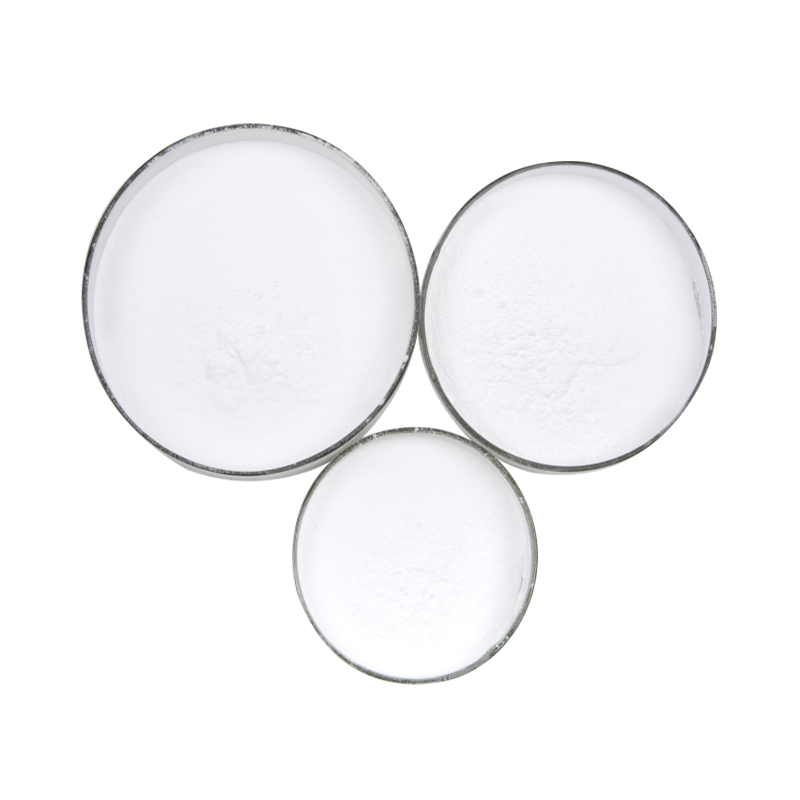
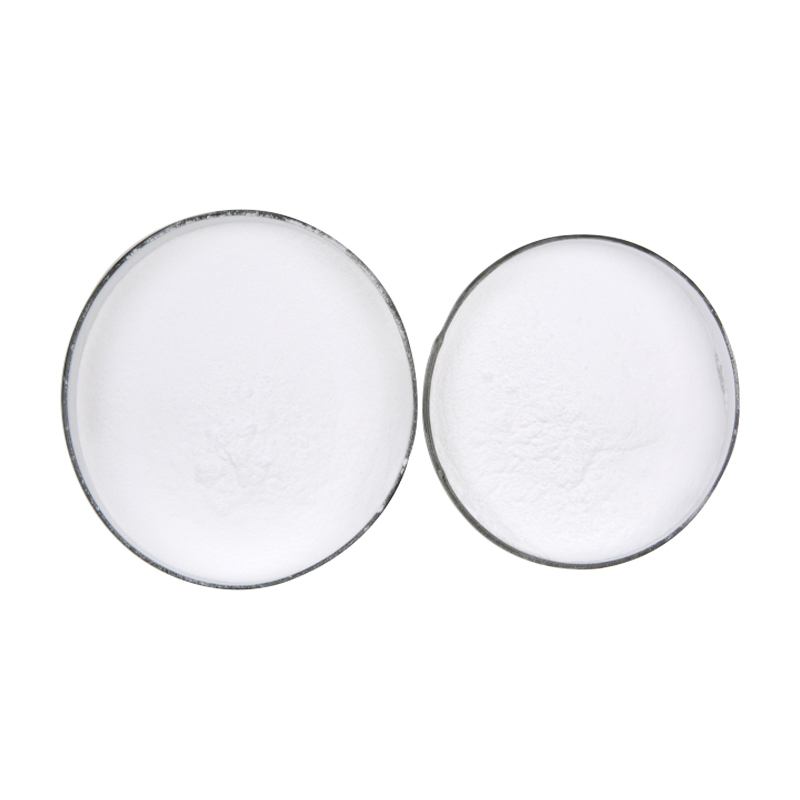
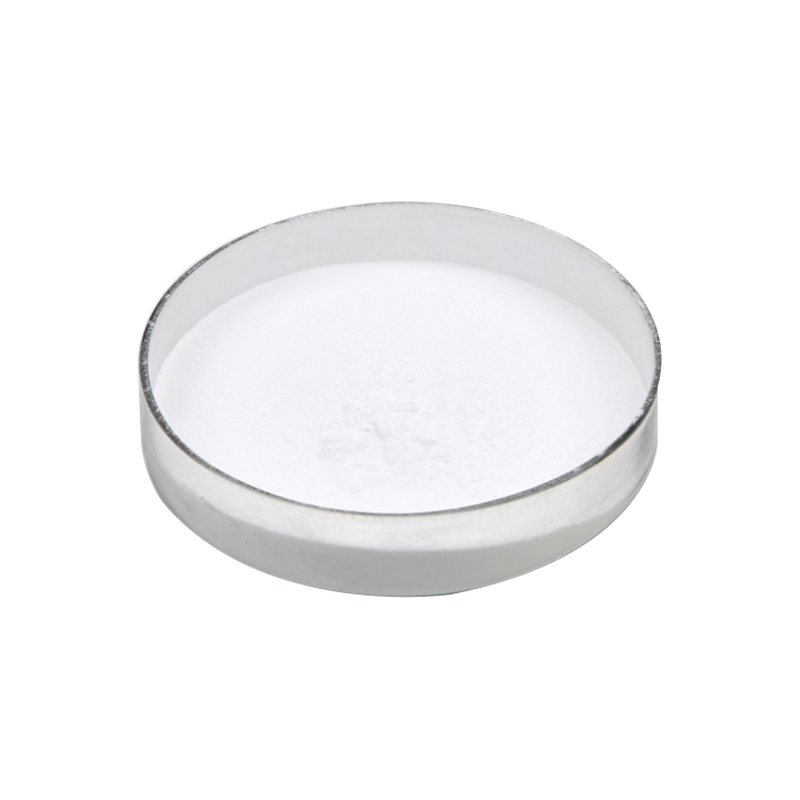
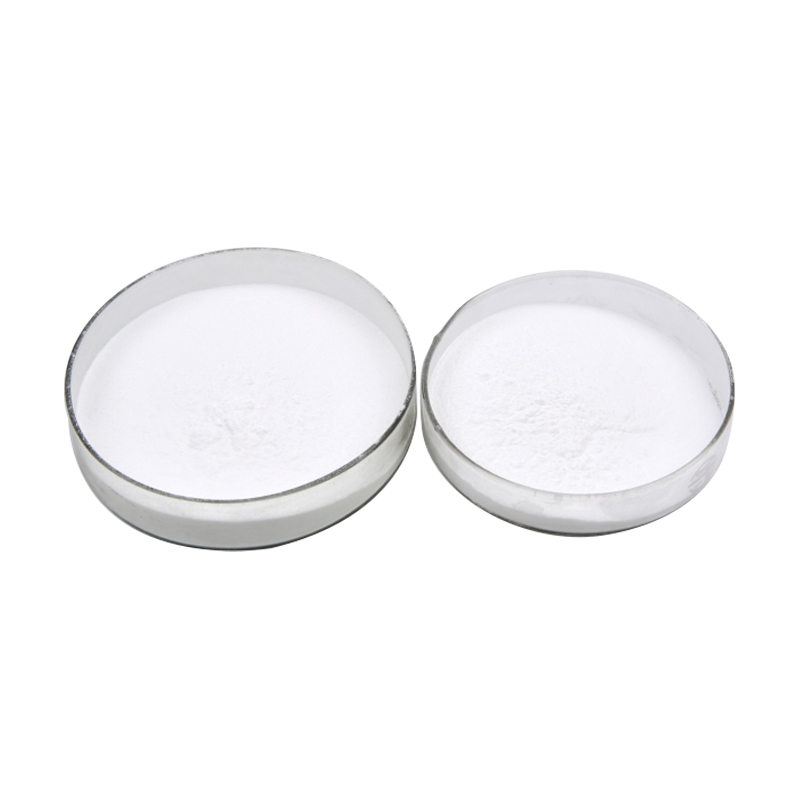
When producing cost-sensitive rigid PVC products such as SPC flooring or drainage pipes, filler loadings often exceed 30–50 phr of calcium carbonate. In these filler-rich dry blends, the physical form of the stabilizer directly impacts dispersion homogeneity. A Powder Calcium Zinc PVC Stabilizer with controlled particle size distribution achieves faster and more uniform distribution during hot mixing, reducing the risk of localised degradation spots on the finished surface.
| Property | Powder Calcium Zinc PVC Stabilizer | Granular One Pack |
|---|---|---|
| Dispersion time in hot mixer | 60–90 s | 100–140 s |
| Dusting tendency | Controlled (after micro-granulation) | Very low |
| Compatibility with auto-feeding | Good (free-flowing powder) | Excellent |
As a Powder Calcium Zinc Stabilizer Factory with over thirty years of specialized manufacturing, Jiangsu Uniwel Chemistry controls the final particle size to a top-cut of D98 < 150 µm. This tight specification prevents stratification in the dry blend and helps our customers achieve a lower reject rate on embossed SPC surfaces.
Upgrading to a Calcium/Zinc One Pack Heat Stabilizer: Practical Benefits for Automated Production
A Calcium/Zinc One Pack Heat Stabilizer pre-integrates the stabilizer system, co-stabilizers, lubricants, and sometimes processing aids into a single free-flowing bead or powder. For manufacturers transitioning from multi-component weighing, this upgrade eliminates cross-contamination of individual raw materials and significantly reduces human weighing errors.
Key Components in a Well-Designed One Pack
- Calcium/zinc soap core and organic co-stabilizers for initial and long-term heat control.
- Internal/external lubricant system balanced to the specific shear profile of the extruder.
- Anti-oxidants and light stabilizers for end-use service life extension.
When running a Calcium/Zinc One Pack Heat Stabilizer on a vacuum conveying system, a common hidden pitfall is particle segregation during long-distance transport. This occurs when fines separate from coarser lubricant flakes, causing inconsistent wall thickness. As a dedicated Calcium/Zinc One Pack Heat Stabilizer Manufacturer, Jiangsu Uniwel Chemistry applies a post-blending compaction step to suppress segregation, ensuring every granule carries an identical additive ratio.
Engineering Weatherable Window Profiles: The Role of Calcium Zinc Stabilizer For PVC
Window profiles demand a combination of high initial gloss, long-term color retention, and resistance to chalking under UV exposure. The transition from lead-based stabilizers to a Calcium Zinc Stabilizer For PVC in this application requires reformulation around the interaction between the stabilizer, titanium dioxide, and acrylic impact modifiers.
Our R&D testing shows that the right stabilizer package can improve the dispersion of rutile TiO₂, pushing the chalking resistance boundary to Delta E < 2 after 3000 hours of Xenon arc exposure. Critical formulation levers include:
- Lubricant balance: Excessive internal lubrication causes frictional heat build-up, accelerating early yellowing of the white profile.
- Zinc-to-calcium ratio: A higher zinc content improves early whiteness but must be buffered by co-stabilizers to protect long-term stability.
- Moisture management: Pre-drying the Calcium Zinc Stabilizer For PVC at 60–70°C for 2 hours before mixing eliminates surface defects caused by hygroscopic additives.
Jiangsu Uniwel Chemistry supplies grade-optimised Calcium Zinc Stabilizer For PVC products that comply fully with RoHS and REACH. These have been successfully scaled in high-output main profile extrusion lines at speeds exceeding 3 m/min without sacrificing surface quality or mechanical strength.


