

 English
 Español
 عربى
عربى Get a Quote
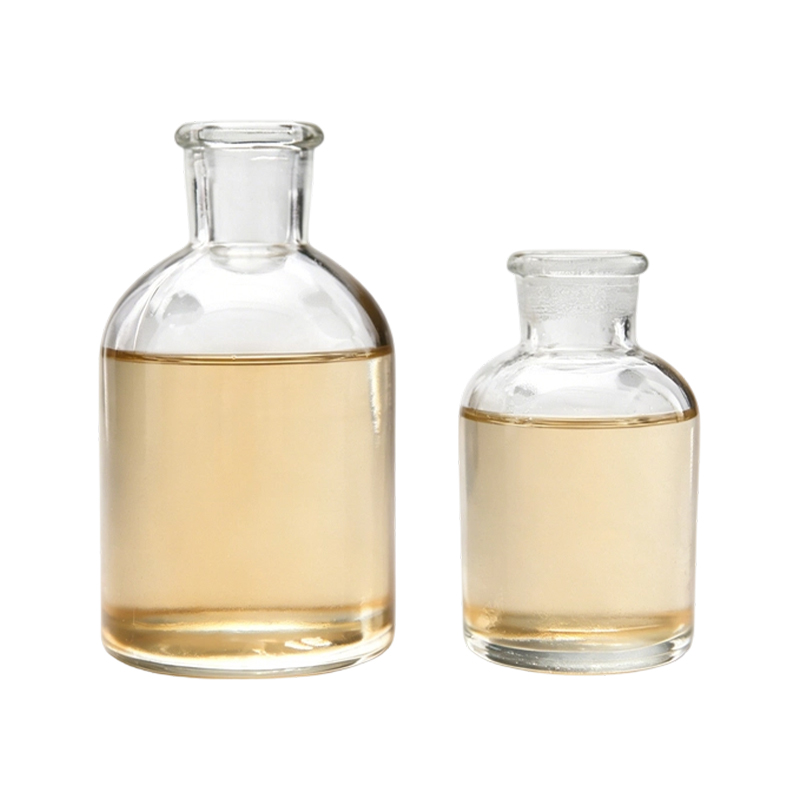
The Synergistic Mechanism of Barium and Zinc in Long-Term PVC Heat Stabilization
In liquid Ba/Zn stabilizer systems, barium and zinc carboxylates do not simply coexist—they operate through a sequential scavenging mechanism that directly impacts the service life of flexible PVC. Zinc compounds react rapidly with labile chlorine atoms and liberated HCl during early thermal exposure, forming zinc chloride. While this provides excellent initial color retention, zinc chloride itself is a potent catalyst for further dehydrochlorination if left unchecked. Barium carboxylates then perform a secondary exchange reaction, converting zinc chloride back into active zinc stabilizer while forming inert barium chloride. This regenerative cycle is what gives a Ba/Zn heat stabilizer for PVC synthetic leather its characteristic long-term stability profile.
The efficiency of this exchange depends heavily on the ligand structure of the carboxylates and the molar ratio between barium and zinc. An imbalance—typically excess zinc without sufficient barium—leads to sudden catastrophic degradation known as zinc burning, characterized by abrupt blackening of the PVC matrix. At JiangSu Uniwel Chemistry, our formulation team carefully calibrates this ratio based on the specific filler loading and plasticizer type used in synthetic leather production, ensuring the regenerative loop remains active throughout the entire processing window and product lifespan.
Role of Co-Stabilizers in the Ba/Zn Matrix
Modern liquid Ba/Zn formulations incorporate secondary costabilizers that enhance the core barium-zinc exchange. Phosphite antioxidants suppress oxidative degradation during high-temperature calendering, while epoxidized plasticizers such as ESBO act as secondary HCl scavengers that preferentially react before the zinc component is consumed. Beta-diketones contribute to early color hold by complexing with zinc ions and moderating their reactivity. Understanding this multi-layered stabilization architecture helps processors recognize why simply comparing metal content percentages between products is not a reliable indicator of field performance.
Troubleshooting Printing Defects and Plate-Out in Calendered Synthetic Leather
Printing dots, uneven ink adhesion, and roller plate-out are among the most persistent quality complaints in PVC synthetic leather manufacturing—and stabilizer selection plays a more significant role in these defects than many processors realize. When a liquid Ba/Zn stabilizer exhibits poor compatibility with the polymer melt, low-molecular-weight metal soaps can migrate to the surface during calendering, forming a microscopic hydrophobic layer that repels water-based printing inks. The result is the characteristic pinhole dots in painting that are often misattributed to pigment dispersion or roller engraving quality.
Plate-out—the gradual accumulation of a waxy or powdery deposit on calender rolls—shares a related root cause. Incompatible stabilizer components, excessive lubricant levels, or volatile fractions in the stabilizer formulation can condense on hot roller surfaces and build up over production runs. This deposit not only mars the surface finish of the leather but also increases downtime for roll cleaning. A well-formulated Ba/Zn system designed specifically for synthetic leather applications should demonstrate minimal volatility below 200°C and maintain homogeneous dispersion even at high plasticizer loadings. As a trusted name among Environment-friendly Liquid Barium/Zinc Stabilizer Suppliers, JiangSu Uniwel Chemistry engineers our stabilizers to deliver the good printing performance and powder absorption characteristics that synthetic leather manufacturers depend on for consistent output.
Diagnostic Checklist for Printing-Related Issues
- Check if plate-out deposits feel greasy (indicating excess lubricant or stabilizer exudation) or dry and powdery (indicating filler or pigment separation).
- Test ink wetting by applying a dyne solution to the leather surface; values below 36 dynes/cm suggest surface migration of hydrophobic stabilizer components.
- Evaluate whether printing defects appear uniformly or in streaks, which can distinguish between formulation incompatibility and mechanical roller issues.
- Verify that the stabilizer's solvent carrier does not have a boiling point too close to processing temperatures, as partial vaporization can create surface irregularities.
Liquid Versus Powder Stabilizers in Synthetic Leather Calendering: A Performance Comparison
While powder stabilizers remain common in rigid PVC applications, the flexible synthetic leather sector has increasingly transitioned to liquid Ba/Zn systems for reasons that extend beyond simple handling convenience. The fundamental difference lies in how each form achieves dispersion within the PVC matrix. Powder stabilizers rely on mechanical shear to break down solid particles, and any incomplete dispersion creates localized areas of under-stabilization that become initiation points for thermal degradation. Liquid stabilizers, by contrast, achieve molecular-level mixing with the plasticizer phase before compounding, ensuring uniform distribution of the stabilizing components throughout the polymer melt before it reaches the calender rolls.
This dispersion advantage translates into measurable differences in product quality and operational efficiency. The following table summarizes key performance parameters based on field data from production lines processing flexible PVC synthetic leather at throughput rates of 800–1200 kg/h.
| Performance Parameter | Liquid Ba/Zn Stabilizer | Powder Stabilizer (Ba/Zn or Ca/Zn) |
|---|---|---|
| Dispersion mechanism | Molecular-level via plasticizer pre-mixing | Shear-dependent particle breakdown |
| Transparency (haze % at 1mm thickness) | 2–5% | 8–15% |
| Dusting during handling | None | Moderate to high |
| Plasticizing speed | Faster (co-plasticizing effect) | Slower (no plasticizing contribution) |
| Risk of plate-out | Lower when properly formulated | Higher due to undispersed particles |
| Dosing accuracy | Precise (volumetric liquid dosing pumps) | Variable (screw feeder fluctuation) |
For manufacturers seeking a reliable Wholesale Ba/Zn Heat Stabilizer For PVC Synthetic Leather solution, the liquid form's superior melting and plasticizing behavior directly contributes to reduced scrap rates and faster line speeds. The co-plasticizing action of the liquid carrier also permits a slight reduction in primary plasticizer content—typically 1–3 phr—without compromising flexibility, offering a tangible formulation cost offset.
Storage Stability, Viscosity Drift, and Shelf-Life Optimization of Liquid Ba/Zn Formulations
Liquid Ba/Zn stabilizers are thermodynamically complex systems in which carboxylate salts, phosphites, solvents, and co-stabilizers must remain in a homogeneous single phase over extended storage periods. Viscosity increase during storage—often the first sign of instability—can be caused by several mechanisms: carboxylate salt precipitation due to temperature cycling, slow hydrolysis of phosphite components when moisture is present, or oxidative polymerization of unsaturated solvent carriers. Once viscosity exceeds the pumping capacity of dosing equipment, the material becomes practically unusable even if its stabilizing chemistry remains intact.
Best Practices for Preserving Product Integrity
- Store drums at a stable temperature between 15°C and 30°C. Temperatures below 5°C can induce partial crystallization of barium carboxylates, while sustained exposure above 40°C accelerates phosphite degradation.
- Keep containers sealed when not in use. The hygroscopic nature of certain co-stabilizer components means that prolonged exposure to ambient humidity can introduce enough water to trigger hydrolysis reactions, reducing both clarity and thermal performance.
- Avoid direct sunlight not only for temperature control but because UV radiation can initiate free-radical degradation of unsaturated solvent carriers, leading to color development and odor formation.
- Implement a first-in, first-out inventory rotation. While properly stored liquid Ba/Zn stabilizers typically maintain performance for 12 months from the date of manufacture, verifying viscosity and color before use in critical production runs is a prudent quality control practice.
- If drums have been exposed to cold conditions during transit, allow them to equilibrate to room temperature for 24–48 hours before opening, and gently homogenize the contents by rolling or slow agitation to redissolve any settled components.
JiangSu Uniwel Chemistry packages every batch with nitrogen-blanketed drum filling to minimize initial dissolved oxygen, extending the effective shelf life beyond industry norms. This attention to packaging integrity is one of the reasons our customers experience fewer storage-related performance variations compared to alternatives from less specialized suppliers.


