

 English
 Español
 عربى
عربى Get a Quote
How Lubrication Synergy Within a One-Pack System Dictates Fusion Degree
In rigid PVC extrusion, fusion degree is not solely a function of barrel temperature and screw design. A PVC Profile Calcium/Zinc Stabilizer formulated as a one-pack system carries a substantial portion of the compound's total lubricant load. The internal-to-external lubricant ratio embedded in the stabilizer directly governs the point at which primary particles break down into a homogeneous melt. Too much internal lubrication causes slippage and delayed fusion, while an external-dominant package leads to premature shear heating and potential yellowing at the die lip.
At Uniwel Chemistry, we formulate our one-pack systems with a lubrication balance calibrated for high-output window profile lines, understanding that the stabilizer must serve as both a thermal protector and a rheology modifier from the moment it contacts the resin. This dual role is what separates a generic stabilizer from one engineered specifically for profiles.
Practical Indicators of Lubrication Imbalance During Production
- A glossy, mirror-like extrudate surface with visible die lines often signals excessive external lubrication, which can also reduce impact strength due to incomplete gelation.
- A matte, rough surface accompanied by higher than normal motor amperage typically indicates insufficient external lubrication, risking thermal degradation at elevated screw speeds.
- Fluctuations in melt pressure exceeding ±5% during a stable production run may point to inconsistent lubricant dispersion within the stabilizer itself.
- Periodic plate-out on the calibration tooling, even when the base formulation appears correct, can indicate that volatile lubricant fractions within the one-pack are not adequately anchored.
Adjusting the stabilizer's internal lubrication contribution—rather than simply adding external waxes post-hoc—preserves the long-term thermal stability reserve and avoids upsetting the delicate co-stabilizer interactions designed into the system.
Climate Zone Considerations When Specifying Weathering Resistance
Weathering performance claims based solely on accelerated QUV or Xenon arc testing can be misleading without understanding the correlation to real-world geographic exposure. A Calcium/Zinc One Pack Heat Stabilizer For PVC Window Profiles must maintain color hold and surface integrity under a combination of UV irradiance, thermal cycling, and moisture that varies dramatically by region. The stabilizer's contribution to weathering comes not only from its own UV-resistant chemistry but also from how well it preserves the TiO₂ dispersion and prevents polymer degradation during the initial extrusion—damage that later manifests as premature chalking.
| Climate Category | Dominant Stress Factor | Key Performance Requirement | Stabilizer Attribute Tested |
|---|---|---|---|
| Hot Arid / Desert | High UV + large diurnal temperature swings | Long-term color retention, resistance to micro-cracking | Thermal stability reserve, metal soap composition |
| Tropical / High Humidity | Persistent moisture + fungal exposure | Hydrolytic stability, no surface nutrient for biological growth | Lubricant type, organic co-stabilizer selection |
| Temperate / Coastal | Salt spray + moderate UV | Surface integrity, no pitting or discoloration | Acid scavenger content, dispersion quality |
| Cold / High Latitude | Freeze-thaw cycling, low-temperature impact | Ductility retention at sub-zero temperatures | Fusion consistency, filler compatibility within the one-pack |
Our technical team at Uniwel Chemistry has observed that profiles extruded with a properly balanced Ca/Zn system exhibit significantly narrower color shift (ΔE) distribution after 5,000 hours of accelerated weathering compared to formulations where the stabilizer's co-stabilizer synergy was compromised by external additives introduced downstream. Specifying a stabilizer with documented weathering data from multiple exposure sites provides far greater confidence than relying on a single accelerated test result.
Reading Between the Lines of GB/T 33284-2016 Test Reports
When evaluating a supplier's compliance documentation, understanding what specific parameters GB/T 33284-2016 actually governs can prevent costly misjudgments. This standard—for which Uniwel Chemistry was designated to formulate the industry specification—establishes test methods and acceptance criteria specifically for thermostabilizers used in unplasticized PVC profiles. It addresses not merely the total metal content but the dynamic thermal stability under controlled shear conditions that simulate actual extrusion.
Key Data Points to Request Beyond the Certificate
- Congored test duration at 200°C — this indicates the stabilizer's reserve capacity before catastrophic HCl release begins, and values above 120 minutes are generally expected for profile-grade systems.
- Dynamic color hold measured on a two-roll mill at multiple time intervals — request data at 5, 10, 15, and 20 minutes to assess early color, mid-term stability, and long-term yellowing resistance in a single curve.
- Residual thermal stability after regrind incorporation — since profile production inevitably generates regrind, the stabilizer must demonstrate that it retains efficacy through multiple heat histories without requiring disproportionate top-up.
- Torque rheometry fusion time and equilibrium torque — these values, when compared against a known production benchmark, reveal whether the one-pack will perform identically on existing tooling without requiring parameter adjustments.
A supplier that provides only a pass/fail certificate without the underlying numerical data is asking you to accept a black box. The standard exists precisely to bring transparency to these performance dimensions, and a technically competent partner will share the full dataset.
The Hidden Cost of Moisture Uptake in Powder Stabilizer Storage
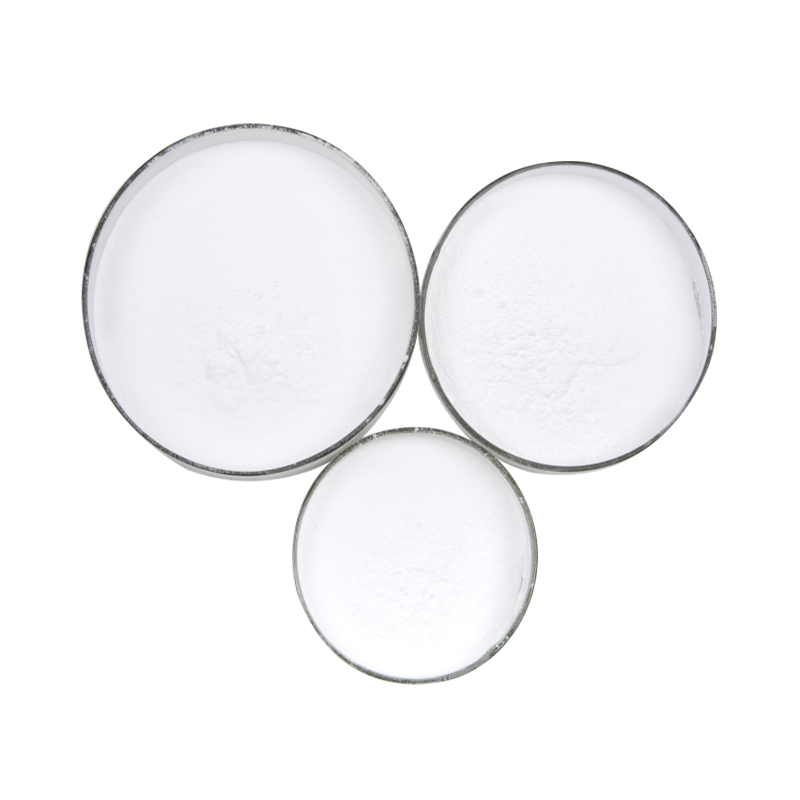
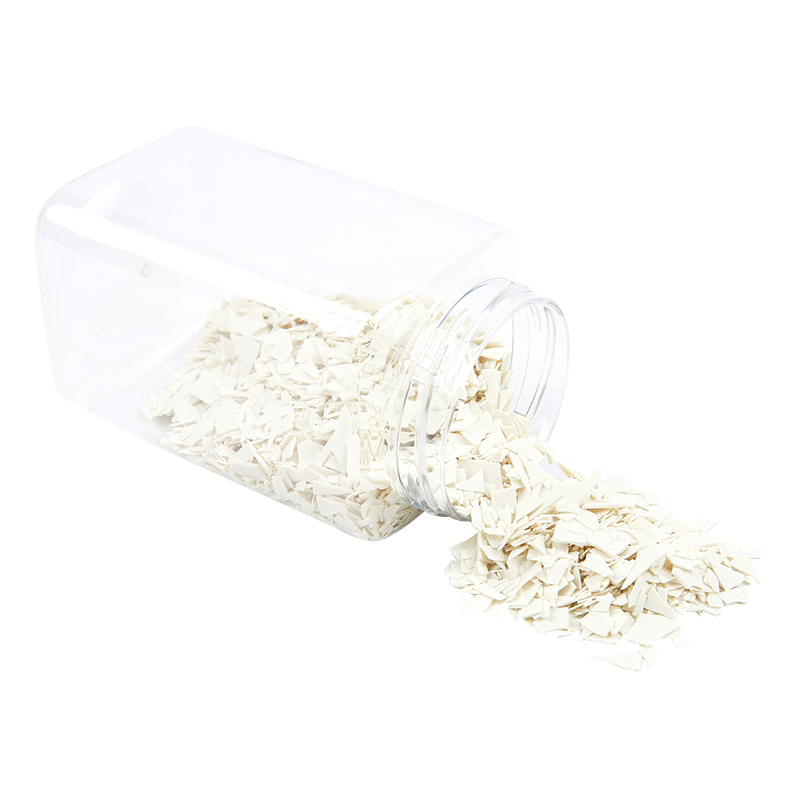
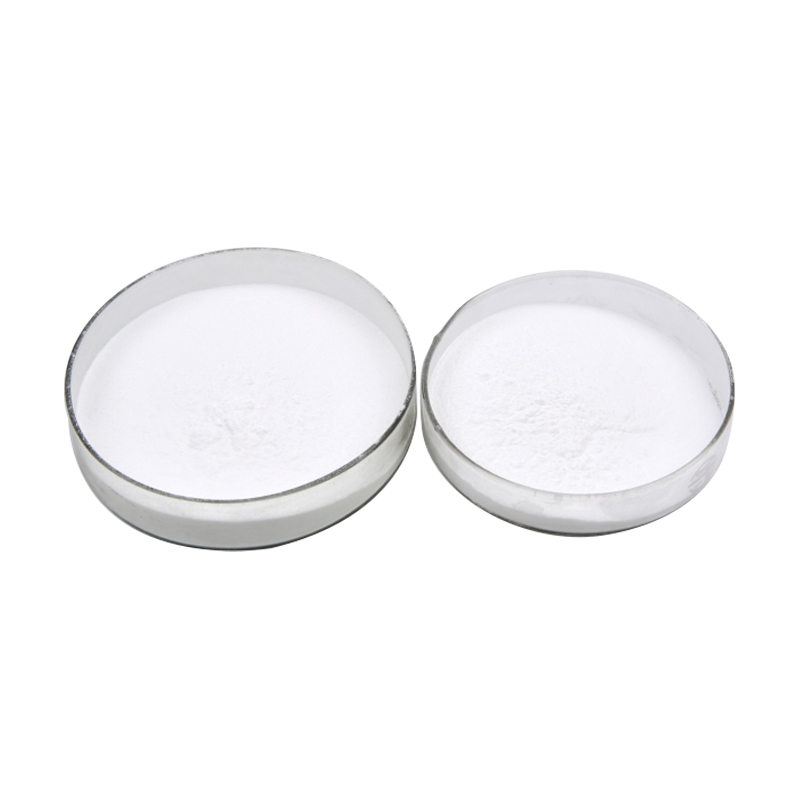
Calcium/Zinc one-pack stabilizers contain hygroscopic components—particularly certain organic co-stabilizers and metal soaps—that will gradually absorb ambient moisture if storage conditions are not controlled. The resulting clumping or caking is a visible symptom, but the more consequential damage occurs at the microscopic level, where hydrolyzed fractions lose their efficacy before they ever reach the extruder. A PVC Profile Calcium/Zinc Stabilizer stored in a humid environment may appear acceptable yet deliver measurably reduced dynamic stability.
We at Uniwel Chemistry recommend that converters implement a simple incoming inspection protocol: a loss-on-drying test at 105°C for 30 minutes can quickly identify whether moisture content has drifted beyond the typical specification of <0.5%. Values exceeding this threshold warrant quarantine and further investigation, as the dispersion quality and lubrication balance of the entire compound can be compromised.
Storage Condition Checklist for Maximum Shelf Life
- Maintain storage area relative humidity below 60% and ambient temperature between 5°C and 30°C to prevent both moisture ingress and thermal degradation of organic components.
- Keep original packaging sealed until point of use; if partial bags are opened, transfer the remaining material to a resealable, moisture-barrier container rather than folding the bag.
- Avoid placing pallets directly on concrete floors without a vapor barrier, as ground moisture wicks upward through packaging over extended storage periods.
- Implement a first-in, first-out inventory rotation with clear date labeling, and avoid stacking beyond the manufacturer's recommended tier height to prevent compaction that can alter powder flow characteristics.
- If condensate is observed on the exterior of packaging after temperature fluctuations, allow the material to equilibrate in the production area for 24 hours before opening to minimize moisture shock.
Proper storage preserves not only the chemical potency of the Calcium/Zinc One Pack Heat Stabilizer For PVC Window Profiles but also its particle-size-dependent dispersibility, which directly influences the physical and mechanical properties of the finished profile. What presents as a minor housekeeping oversight can translate into measurable losses in impact strength, corner weld integrity, and color consistency across production batches.


