

 English
 Español
 عربى
عربى Get a Quote


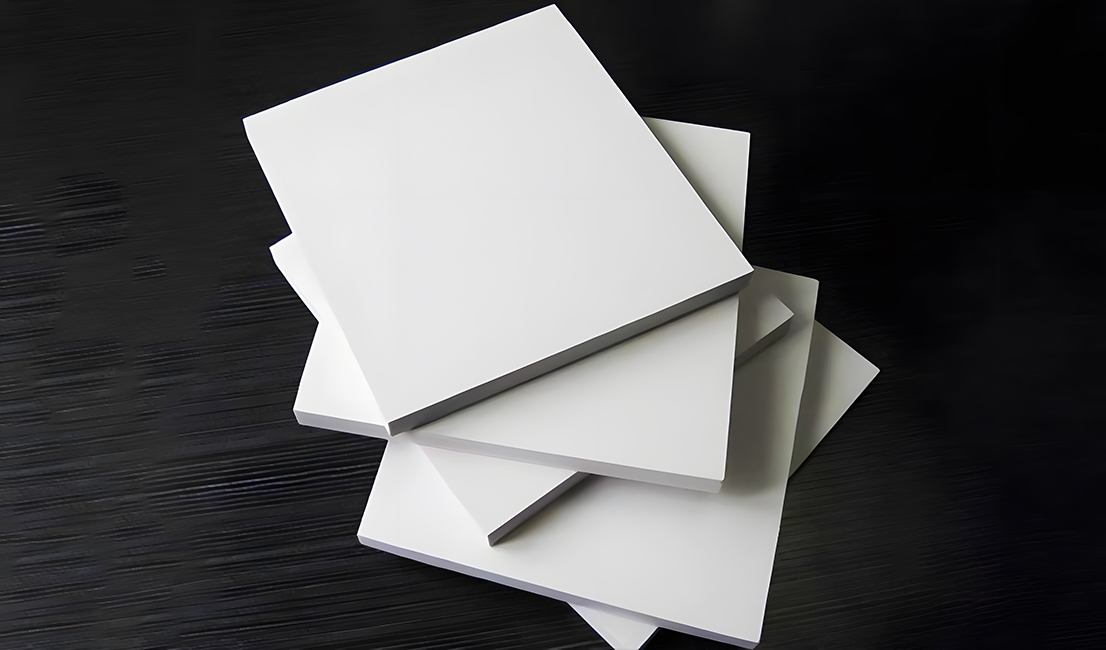
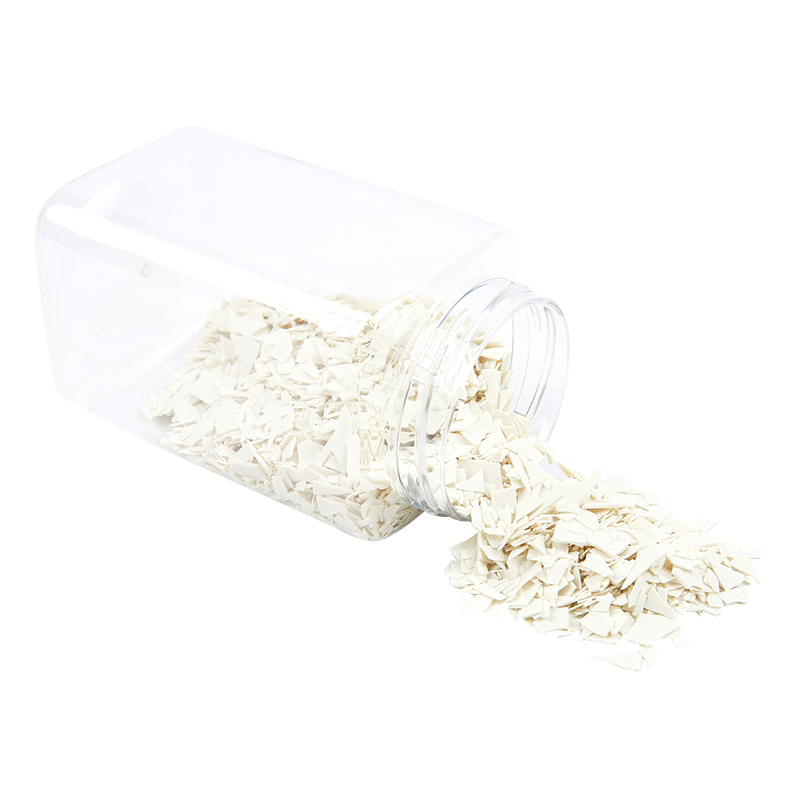
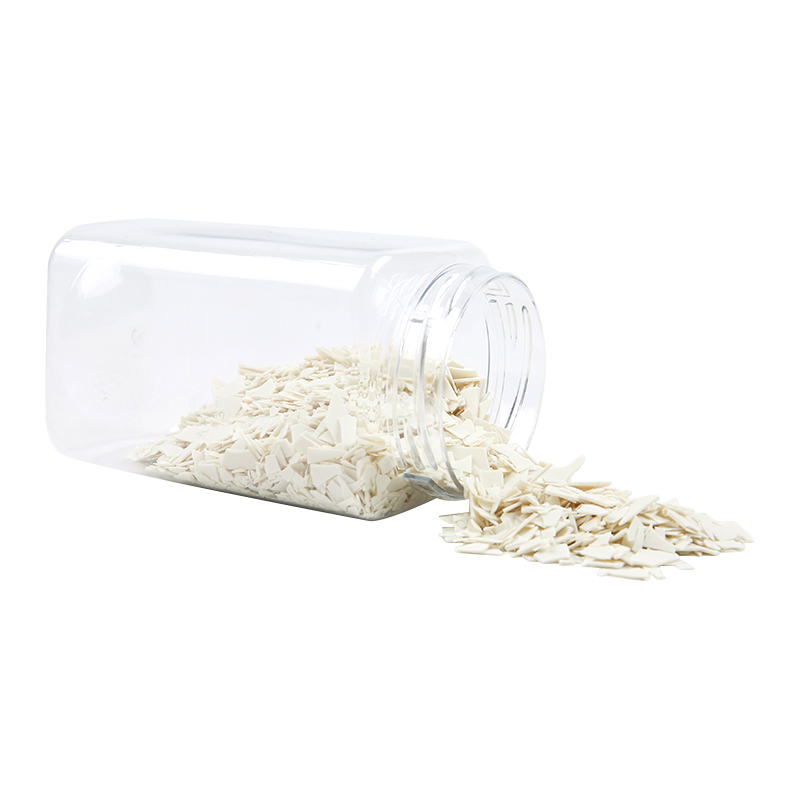
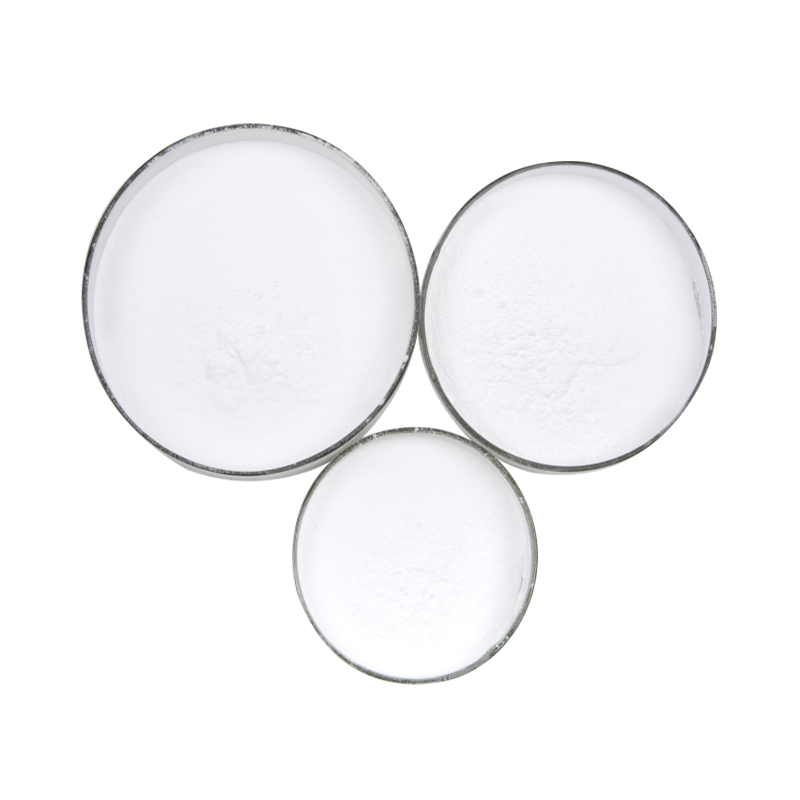
Balancing Heat Stabilization and Lubrication for Fine Micro‑Cellular Foaming
Achieving a uniform, closed‑cell structure in rigid PVC foam depends on the dynamic equilibrium between heat stabilizer and the lubricant system. If the stabilizer activates too early or too late relative to gas evolution, the melt either degrades before foaming begins or the cell walls rupture during expansion. At Uniwel, we’ve spent three decades mapping these time‑temperature‑rheology relationships, which is why our PVC Foam Board Stabilizer packages include precisely co‑engineered internal and external lubricants.
A common misconception is that adding more blowing agent simply increases density reduction. In practice, exceeding the melt’s ability to contain expanding gas produces coarse, irregular voids and surface fissures. The stabilizer must deliver sufficient long‑term heat stability to protect the polymer through the full expansion window without over‑stabilizing and causing melt fracture at the die lip.
| Lubricant Balance | Melt Viscosity at Foaming | Cell Structure |
|---|---|---|
| Too much external lubrication | Low – wall slip dominates | Large, collapsed cells; poor skin |
| Balanced internal/external | Controlled elastic response | Fine micro‑cellular, uniform density |
| Insufficient lubrication | High shear heating, yellowing | Burnt cell walls, gel particles |
Uniwel’s approach to PVC Foam Board Stabilizer design treats the stabilizer and lubricant as a single functional unit. By adjusting the ratio to match specific extruder L/D, screw profile, and foaming gas type, processors can push output rates without sacrificing cell integrity.
Preserving Melt Strength in WPC Celuka Foam Board Extrusion
WPC Celuka Foam Board production introduces additional complexity: the wood‑fiber or natural‑filler content acts as a nucleating agent but also severely reduces melt strength and thermal stability. In the Celuka process, where a solid skin is formed against a chilled calibrator while the core expands, any premature cell coalescence near the surface becomes permanently locked into the finished board.
Key material factors that govern melt strength in WPC foam:
- Filler particle size and moisture content – free water vapor accelerates PVC dehydrochlorination.
- Coupling agent efficiency – inadequate coupling creates weak interfacial layers that act as failure points during bubble expansion.
- Stabilizer’s capacity to neutralize HCl released from both PVC and thermally sensitive biomass fillers.
- Residual zinc or calcium soap content – an excess can catalytically degrade the wood component.
Our field data from dozens of WPC Celuka Foam Board lines shows that a 10% loss in melt strength typically doubles the reject rate due to surface roughness and thickness variation. Uniwel’s stabilizer systems for this application incorporate secondary antioxidants and co‑stabilizers that specifically protect the melt during the critical 10–15 seconds of free expansion before the calibrator sets the skin.
Troubleshooting Surface Finish Defects Through Stabilizer Optimization
Surface defects on rigid PVC foam boards often originate not at the die but in the early metering zone where the stabilizer-lubricant package first melts. At Uniwel, we diagnose these issues by correlating the stabilizer’s fusion time with the visual pattern on the board surface. The following table captures the most frequent defects we help customers resolve.
| Defect | Probable Cause | Stabilizer‑Related Adjustment |
|---|---|---|
| Sharkskin / melt fracture | Excessive external lubricant or too rapid fusion | Increase internal lubrication; adjust stabilizer’s metal soap ratio |
| Pinholes in the skin | Volatiles trapped below premature skin formation | Delayed fusion stabilizer grade; tighter moisture control |
| Yellow streaks / discoloration | Localized thermal degradation | Increase long‑term heat stabilizer fraction; check hold‑up spots |
| Gloss variation across width | Non‑uniform melt temperature at die exit | Balance stabilizer response to shear gradient in adapter |
Through Uniwel’s formulation science platform, customers receive a fusion‑rheology map specific to their extruder, enabling them to set barrel temperatures and screw speeds that keep the melt within the optimal processing window for the stabilizer.
Linking Stabilizer Technology to Long‑Term Dimensional Stability
Dimensional stability in PVC foam board is not solely a function of cooling rate; it also depends on how completely the stabilizer has arrested dehydrochlorination during the product’s service life. Residual conjugated polyene sequences, even at low concentration, can continue reacting slowly, leading to post‑molding shrinkage, warpage, and micro‑cracking.
A practical test protocol to assess stabilizer endurance in‑plant:
- Collect a board sample directly off‑line and measure its initial dimensions and flatness.
- Subject the sample to a 60°C air oven for 48 hours while unrestrained.
- Re‑measure dimensions and note any bowing or edge lift.
- Cut a cross‑section and inspect for color change using a spectrophotometer – a ΔE greater than 2 indicates inadequate stabilizer protection.
- If degradation is detected, increase the calcium‑zinc or organotin component in consultation with your stabilizer supplier.
Uniwel’s integrated stabilizer solutions for PVC Foam Board Stabilizer applications deliver residual thermal stability well beyond 100 minutes in standard dehydrochlorination tests, ensuring that the board retains its as‑extruded dimensions even when stored in non‑conditioned environments or exposed to elevated service temperatures.


