

 English
 Español
 عربى
عربى Get a Quote


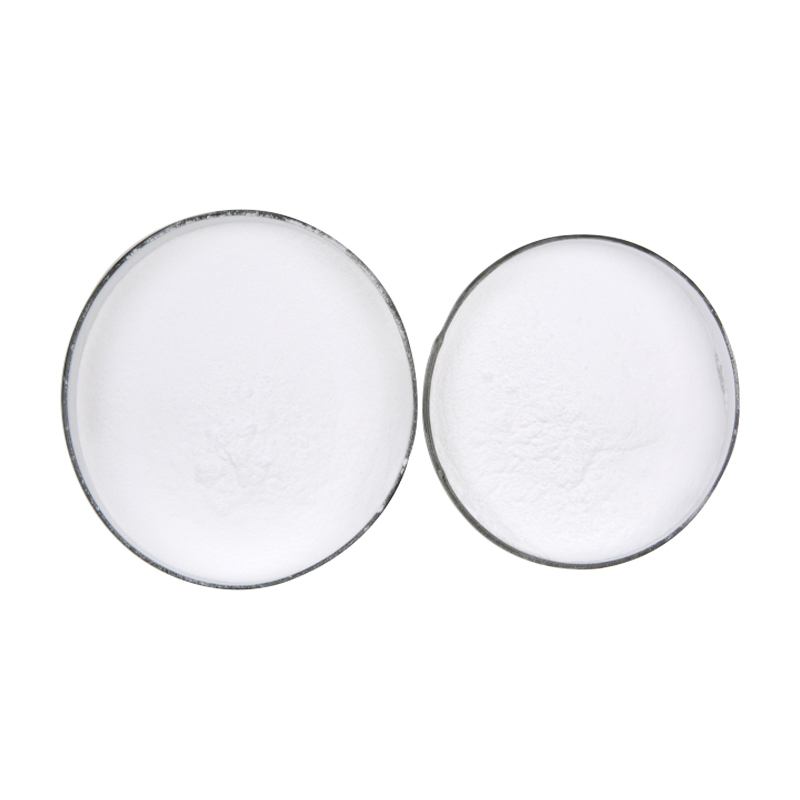
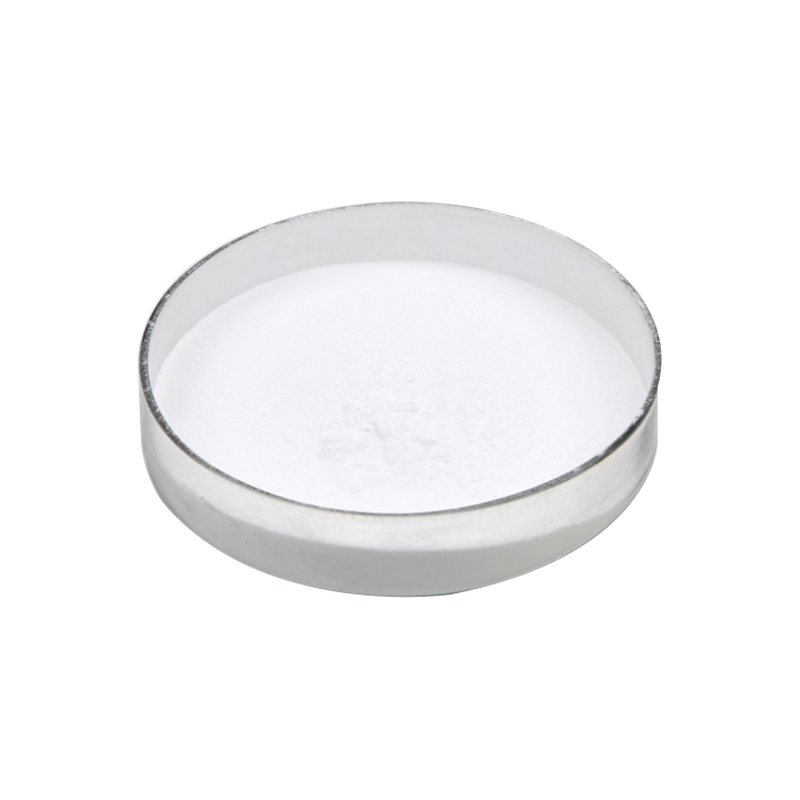
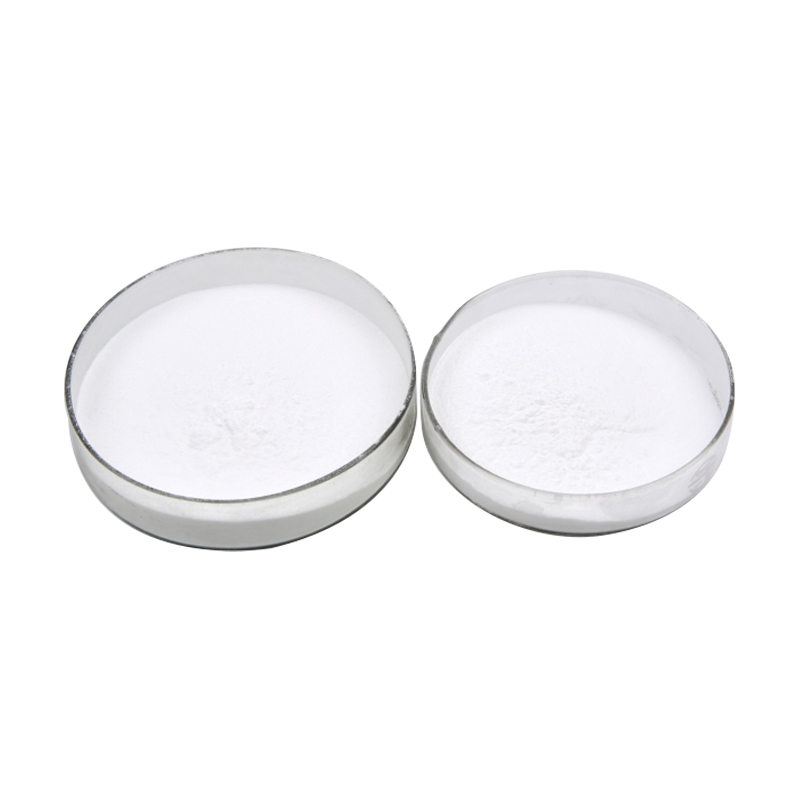
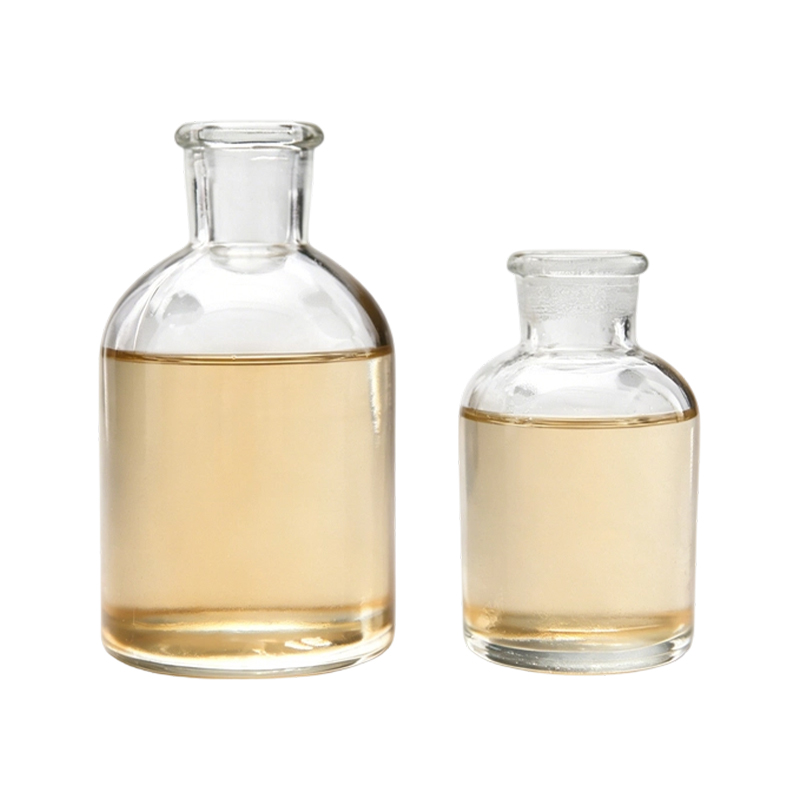
Thermal Stabilization Beyond Basic Heat Protection
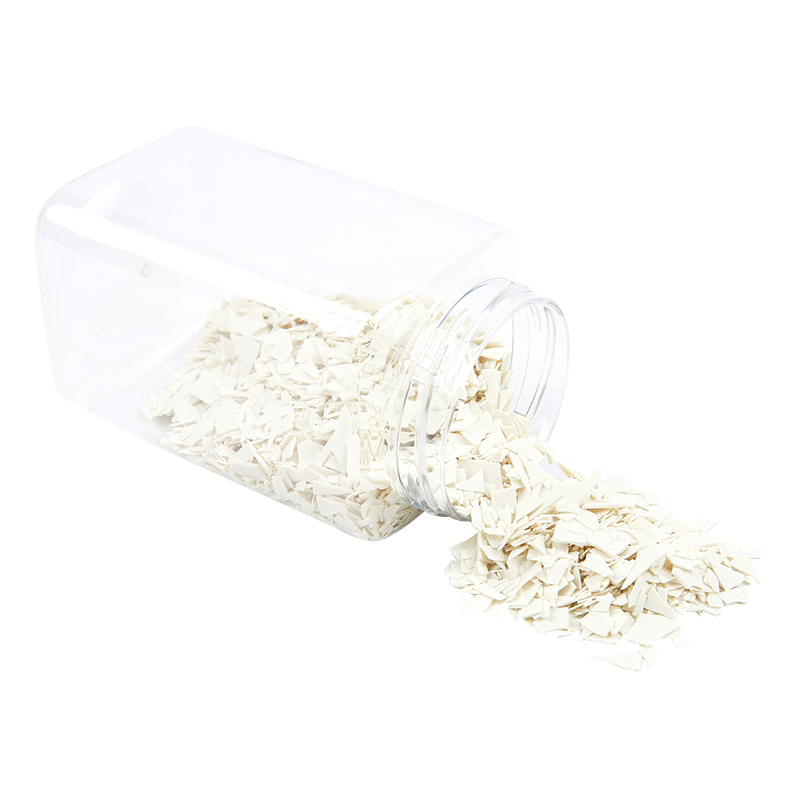
In rigid core SPC processing, the melt experiences intense shear and elevated temperatures that can initiate dehydrochlorination within seconds. A stabilizer must do more than simply delay degradation—it must preserve color, viscosity, and mechanical integrity throughout the entire heat history. Uniwel’s PVC Stabilizer For Rigid Core Flooring is formulated with a synergistic blend of metal soaps and co‑stabilizers that neutralizes HCl at the earliest stages of formation while also interrupting polyene sequences that cause discoloration. At Uniwel, we leverage accelerated thermal aging protocols that directly mirror high‑speed extrusion conditions, allowing us to predict real‑line performance with high confidence.
- Primary stabilization rapidly scavenges free HCl before autocatalytic degradation begins.
- Secondary antioxidants and β‑diketone co‑stabilizers preserve initial whiteness even after repeated processing.
- The one‑pack format eliminates weighing errors and ensures homogeneous distribution in the melt.
The result is a processing window where Yellowness Index remains below 2 after 10 minutes at 200°C, a threshold critical for premium SPC products that must maintain a pristine appearance under transparent wear layers. Drawing on three decades of formulation science, Uniwel ensures that each batch of PVC Stabilizer For Rigid Core Flooring delivers the same tightly controlled metal content and particle size, eliminating the lot‑to‑lot variability that can cause unexpected line stops.
Lubrication Balance for High‑Speed Rigid Core Extrusion
High‑output SPC lines—often exceeding 2.5 m/min—demand a stabilizer system that simultaneously promotes smooth melt flow and prevents plate‑out on calibration tooling. Uniwel’s SPC Flooring Stabilizer integrates precisely calibrated internal and external lubricants that work in concert with the thermal stabilizer package. This single‑component approach reduces the risk of formulation errors and ensures that the melt enters the die at a consistent viscosity, regardless of minor fluctuations in filler loading or recycled content.
| Lubricant Function | Role in Rigid Core | Consequence of Imbalance |
|---|---|---|
| Internal | Reduces melt viscosity, aids fusion | Excess delays fusion; deficiency causes high motor load |
| External | Prevents adhesion to hot metal surfaces | Excess leads to slipping and reduced output; deficiency causes plate‑out |
| Compatibilizing | Enhances dispersion of fillers and pigments | Poor dispersion results in surface defects and color streaks |
By fine‑tuning the lubricant portfolio within our SPC Flooring Stabilizer, Uniwel helps manufacturers reduce extruder motor load by up to 15% while maintaining the tight dimensional tolerances required for click‑lock profiles. We validate every formulation on pilot‑scale extrusion lines that replicate the specific screw geometries and die configurations our customers use, so the transition from trial to full production is seamless.
Achieving Uniform Foam Structure in SPC Core Layers
When a foamed rigid core is specified, the stabilizer’s role expands to include control over gas nucleation and cell growth. Metal carboxylates in the stabilizer act as activators for exothermic foaming agents, while the viscosity‑modifying components ensure that the expanding gas is trapped in a uniform, closed‑cell structure. Uniwel’s integrated approach to formulation design means the stabilizer is not a passive heat protector but an active contributor to foam quality.
Process Parameters Influenced by Stabilizer Choice
- Activation temperature window – must match the decomposition range of the foaming agent to avoid premature or incomplete gas release.
- Melt strength – excessive lubrication can lead to cell coalescence and an open‑cell structure, reducing mechanical stiffness.
- Thermal stability during foaming – the exothermic decomposition of azodicarbonamide adds heat; the stabilizer must handle this additional thermal load without color shift.
Through careful selection of metal‑soap ratios and co‑stabilizers, Uniwel’s stabilizer solutions help customers achieve average cell diameters below 100 µm with a narrow size distribution, resulting in lower board density, improved sound insulation, and a smooth, defect‑free surface. As a technology platform provider, we not only supply the stabilizer but also share process mapping data that correlates stabilizer composition with foam morphology, giving our partners a scientific basis for line optimization.
Raw Material Consistency and Quality Assurance
In large‑scale SPC production, even minor variations in stabilizer composition can lead to costly downtime, rejects, or subtle color differences between batches. At Uniwel, we treat every batch of PVC Stabilizer for SPC Flooring as a critical raw material, applying the same statistical process control that the flooring industry demands of its own end products. This commitment goes beyond supplying a stabilizer; we provide full transparency on analytical data and process recommendations that help partners reduce variability.
| Parameter | Test Method | Typical Target | Tolerance |
|---|---|---|---|
| Metal content (Ca/Zn) | ICP‑OES | Formula‑specific | ±0.5% |
| Particle size D50 | Laser diffraction | 50–70 µm | ±5 µm |
| Dynamic heat stability (200°C) | Two‑roll mill, Congo red | >40 min | ≥ target |
| Bulk density | Scott volumeter | 0.55–0.65 g/cm³ | ±0.03 g/cm³ |
Such rigorous control means that particle size distribution remains locked within a 20 µm window, ensuring consistent feeding and dispersion even at the highest line speeds. Uniwel’s long‑term partnerships with world‑class manufacturers are built on this foundation of data‑driven reliability—because in rigid core flooring, a stable stabilizer is the invisible backbone of every square meter produced.


