
 English
 Español
 عربى
عربى
 View More

 Industry News
Home / News / Industry News / Powder Calcium Zinc PVC Stabilizer: Composition, Dosage and Buying Checklist
Powder Calcium Zinc PVC Stabilizer: Composition, Dosage and Buying Checklist
Complete Stabilizer Platforms for Every PVC Application
Content
Unstabilized PVC begins to release hydrogen chloride at temperatures far below the 180 to 200 °C that a compound reaches inside a working extruder, so the stabilizer you choose largely decides whether a pipe, profile or cable sheath leaves the line white and tough or yellow and brittle. If your plant is moving away from lead-based one-packs, a powder calcium zinc stabilizer is the default starting point for rigid PVC. The metal ratio, however, is only the visible part of the decision: early color hold, resistance to zinc burning, lubrication balance and batch-to-batch consistency are what separate a workable formulation from months of trial and error on the shop floor.
How calcium zinc chemistry stabilizes PVC
Zinc soaps such as zinc stearate do the primary work: they replace labile chlorine atoms, especially the allylic chlorine formed during resin synthesis and early degradation, with more stable groups. That is why calcium zinc systems deliver excellent initial color. The catch is that this reaction produces zinc chloride, a strong Lewis acid that catalyzes rapid, runaway degradation known as zinc burning. Calcium stearate counters the problem by exchanging with zinc chloride, regenerating the active zinc soap and locking the chlorine into comparatively harmless calcium chloride.
Because that exchange is never perfect, every commercial powder calcium zinc stabilizer carries a co-stabilizer package: beta-diketones to chelate metal chlorides, polyols and hydrotalcites to absorb hydrochloric acid, and antioxidants to slow oxidative attack. Lubricants are usually blended into the same product, so a one-pack powder delivers stabilization and processing control in a single dose.
| Component | Primary function | What it means on the line |
|---|---|---|
| Calcium stearate | Converts zinc chloride back to active zinc soap | Supports long-term stability and cost control |
| Zinc stearate | Replaces labile chlorine atoms | Fast initial color, but overdosing invites zinc burning |
| Beta-diketones | Complex metal chlorides | Extend the color-hold window on white goods |
| Polyols and hydrotalcite | Absorb hydrochloric acid | Improve long-term heat endurance |
| Antioxidants | Slow oxidative degradation | Limit yellowness during service life |
| Lubricants | Control fusion and metal release | Must match screw design and output targets |
Powder and granular one-packs dominate rigid PVC because they meter cleanly into hot and cold mixer combinations and disperse evenly through the dry blend. Liquid stabilizers are mostly reserved for plasticized applications such as synthetic leather and calendered films, where transparency and handling requirements differ. For a closer comparison of the available chemistries, this overview of calcium zinc stabilizer types, dosage and uses is a useful starting point.
Dosage ranges and processing realities
Most rigid extrusion formulations run a powder calcium zinc one-pack at roughly 2 to 5 phr, with the higher end used where filler loading is heavy or the heat history of the part is long. Converting from lead is rarely a one-for-one swap: calcium zinc systems usually need adjusted lubrication, because the metal soaps themselves carry a lubricating effect and the fusion point of the dry blend will move when the stabilizer changes. Expect to retune the wax and stearate balance rather than only changing the stabilizer sack.
Three practical checks reveal quickly whether a candidate stabilizer fits your line. First, fusion behavior on a torque rheometer: the fusion peak should fall inside the window your extruder was set up for. Second, dynamic heat stability on a two-roll mill or at the die, not just a static oven test, since shear accelerates degradation noticeably. Third, plate-out: blends with poorly balanced lubrication can build residue on calibrators and dies within a single shift, and that residue shows up later as surface defects.
Where powder calcium zinc stabilizers earn their place
Pipes and fittings were historically the stronghold of lead-based one-packs, and they are now the largest battleground for calcium zinc conversion. A pipe-grade powder stabilizer has to tolerate high calcium carbonate loading, keep the fusion curve stable across resin lots, and preserve long-term hydrostatic strength, because a pressure pipe fails slowly and quietly if the compound degrades.
Calcium zinc one-pack heat stabilizer for PVC pipes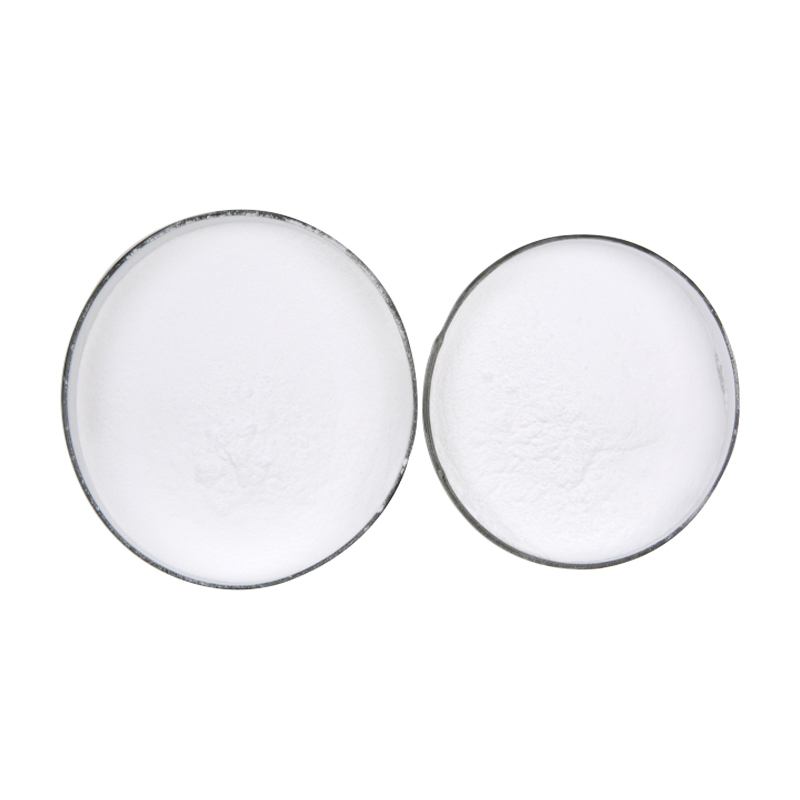 Calcium/Zinc One Pack Heat Stabilizer For PVC PipesA lead-free Ca/Zn powder stabilizer for PVC pipes, offered as pipe and fitting grades. With lead one-packs being phased out for pressure pipe, this grade addresses fusion stability and long-term hydrostatic strength under high filler loading.View Product →
Window and door profiles add weathering to the heat-stability requirement: the stabilizer must hold whiteness through high-output twin-screw extrusion and then survive years of UV exposure and thermal cycling outdoors. Specifications for stabilizers used in unplasticized profiles have tightened accordingly, which is why profile extruders qualify candidates against both processing and aging criteria before release.
Calcium zinc one-pack heat stabilizer for PVC window profiles Calcium/Zinc One Pack Heat Stabilizer For PVC Window ProfilesAn eco-friendly Ca/Zn stabilizer for uPVC window and door profiles, supplied as white or yellowish powder. It supports whiteness retention, weathering resistance and uniform plastification during high-output twin-screw profile extrusion.View Product →
Wire and cable compounds face their own pressure to convert, since restrictions on lead in electrical and electronic products keep tightening across export markets. A cable-grade calcium zinc stabilizer must protect the insulation during high-temperature extrusion while keeping volume resistivity and dielectric loss within specification, which narrows the choice of co-stabilizers considerably.
Calcium zinc one-pack heat stabilizer for PVC wires and cables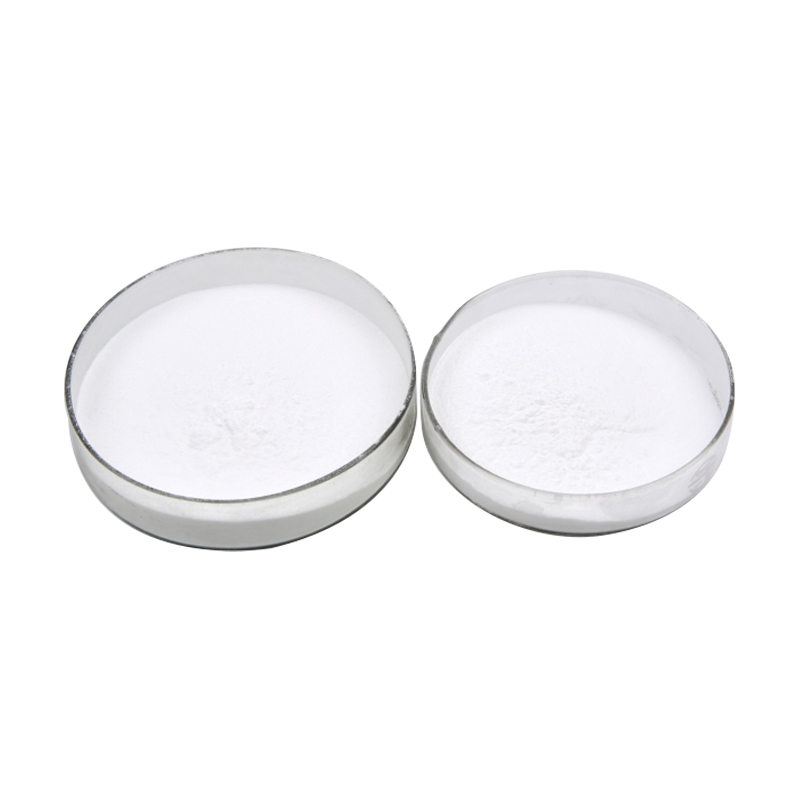 Calcium/Zinc One Pack Heat Stabilizer For PVC Wires & CablesA Ca/Zn heat stabilizer for 70°C white wire and cable compounds, with grades designed for various UL temperature classes. As lead restrictions tighten in export markets, it helps maintain insulation quality during high-temperature extrusion.View Product →
Rigid board, SPC flooring core and Celuka foam products round out the picture. These applications push the stabilizer through long residence times, blowing agents and heavy filler loads, so they reward suppliers who adjust the package to the specific process instead of selling a universal grade. Our work with SPC flooring and rigid core materials is a typical example of that kind of adjustment in practice.
How to evaluate a stabilizer supplier before committing
The conclusion comes first here: in this category the formulation is only half of what you buy, and the other half is consistency. A calcium zinc one-pack that drifts by a fraction of a percent in zinc content or lubricant level shows up as color drift on a white profile or as brittle pipe in the pressure test, so the supplier's process discipline matters as much as the data sheet.
- Ask for heat stability data generated on your own resin, filler and impact modifier combination, not on a generic reference compound.
- Request specified ranges, not only typical values, for metal content and volatiles, and check whether batch certificates actually back them up.
- Confirm certified quality and environmental management systems, and for profile work ask whether the supplier works to recognized stabilizer specifications for unplasticized PVC profiles.
- Run a controlled plant trial with a written protocol: fixed screw speed, fixed barrel temperatures, color measured at set intervals, and retention samples from every lot.
- Compare cost per ton of finished compound at equal performance, because a dosage difference of a few tenths of a phr can swing the real price of the stabilizer package.
Buyers who skip the plant trial are the ones most often surprised, because laboratory stability tubes rarely predict how a stabilizer behaves under real shear, real filler moisture and real resin lot variation.
The regulatory pull toward calcium zinc
The shift away from lead is driven by rules, not fashion. Restrictions on heavy metals in building products, electrical goods and toys have progressively limited lead-based stabilizers in export markets, and drinking-water pipe approvals increasingly favor lead-free compounds. In China, the technical requirements for heat stabilizers used in unplasticized PVC profiles were consolidated under GB/T 33284, a national standard to which experienced manufacturers contributed during its 2016 drafting process. Qualifying a powder calcium zinc stabilizer against such documented specifications gives you an auditable basis for the decision rather than a sales brochure.
The bottom line: a powder calcium zinc stabilizer is the practical route to heavy-metal-free PVC, but only when the co-stabilizer package matches your application and the supplier can hold tolerances batch after batch. Define your test protocol before the first sack arrives, judge candidates on your own line, and price them per ton of finished compound. Processors who follow that sequence convert from lead-based systems with far fewer surprises, and treating the stabilizer supplier as a formulation partner rather than a commodity vendor makes the difference visible where it counts, on the finished product.


Let’s Build the Future Together
We are a company specializing in the research, development, production, and sale of PVC stabilizers.
Get a Quote
Product Categories
Quick Links
Contant us
-
 +86-15206141222
-
 zptian2008@163.com
-
 No. 66, Xingsheng Road, Nandu Town, Liyang City, Jiangsu Province, China
Copyright © JiangSu Uniwel Chemistry Co.,Ltd. All Rights Reserved.
 PVC Stabilizer Manufacturer PVC Stabilizer Supplier PVC Stabilizer Factory in China