
 English
 Español
 عربى
عربى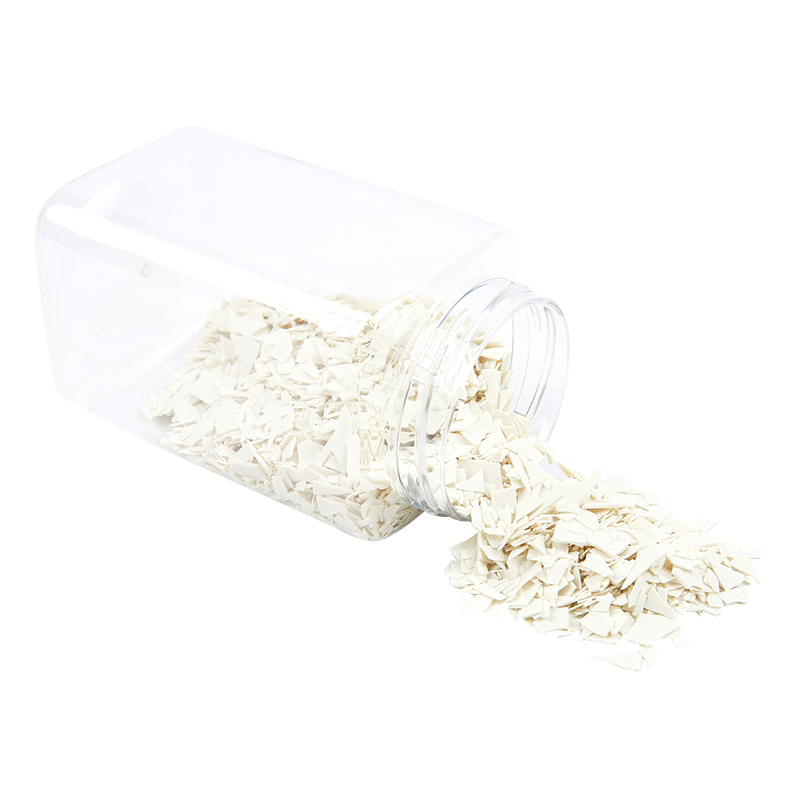
 View More

 Industry News
Home / News / Industry News / PVC Resin Guide: Grades, K-Value, and How Heat Stabilizers Protect Your Batch
PVC Resin Guide: Grades, K-Value, and How Heat Stabilizers Protect Your Batch
Complete Stabilizer Platforms for Every PVC Application
Content
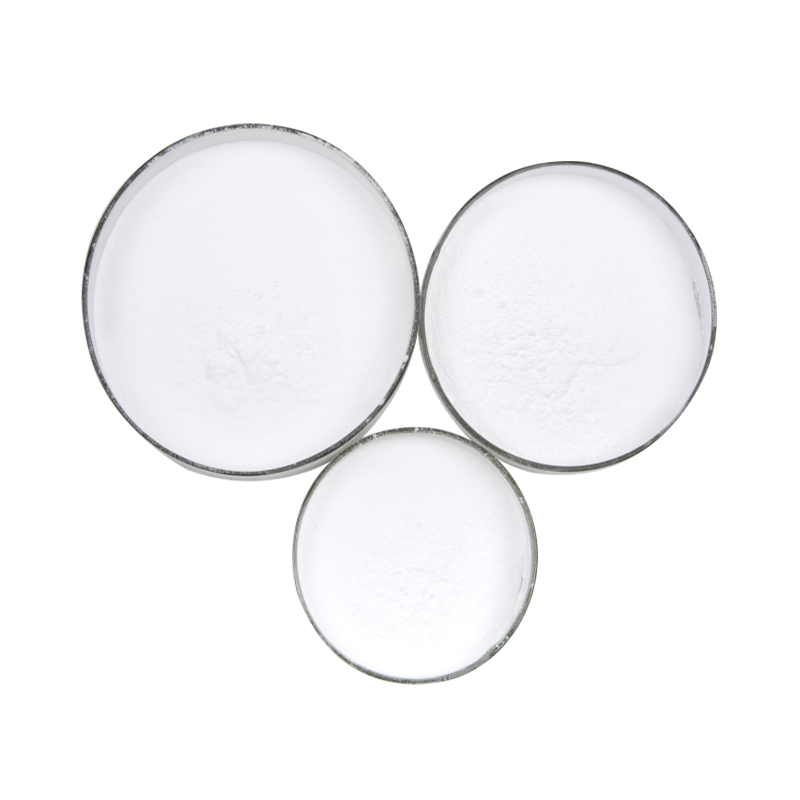
A truckload of suspension PVC resin arrives at the plant gate as a free-flowing white powder, and that powder is the raw starting point for pressure pipes, window frames, cable insulation, flooring, and synthetic leather. It is also, on its own, one of the least forgiving plastics in the industry. Heated into the 160-200 °C range inside an extruder or calender, unstabilized PVC begins releasing hydrogen chloride within minutes and shifts in color from white to yellow, then amber and brown. The practical conclusion for buyers and compounders is therefore straightforward: the resin grade and the heat stabilizer system must be specified together, because the grade sets the performance ceiling of the finished product while the stabilizer decides whether production ever reaches it.
What PVC Resin Actually Is
PVC resin is polyvinyl chloride in its raw, additive-free form: a powder produced by polymerizing vinyl chloride monomer, which is itself derived from chlorine and ethylene. It ranks among the highest-volume commodity thermoplastics worldwide, yet unlike polyethylene or polypropylene it is essentially never processed neat. What leaves the polymerization reactor contains no lubricants, no processing aids, and no heat stability worth the name.
The weakness is chemical. PVC chains carry carbon-chlorine bonds and a small number of structural defects, including labile allylic and tertiary chlorines, that are far less stable than the rest of the polymer. Under heat and shear, these sites eliminate hydrogen chloride (HCl), and the released HCl then catalyzes further elimination along the same chain in a self-accelerating "unzipping" reaction known as dehydrochlorination. The visible symptoms come quickly: yellowing, then browning, falling impact strength, surface roughness, and in severe cases bubbling and fouled tooling. A heat stabilizer interrupts this sequence by neutralizing HCl, replacing labile chlorine atoms with more stable groups, and usually by contributing lubrication that reduces the shear heat which starts the trouble in the first place.
The Main Commercial Grades of PVC Resin
Three families dominate commercial supply, and they differ far more in processing behavior than their shared white-powder appearance suggests.
Suspension PVC (S-PVC)
Suspension polymerization accounts for the great majority of world output. Droplets of vinyl chloride are suspended in water and polymerized into irregular, porous particles typically 100-180 microns across. Porosity is a working property, not a curiosity: it determines how quickly and evenly the resin absorbs plasticizer, which matters enormously in flexible compounding. Rigid applications such as pipe, profile, and sheet consume most suspension resin.
Emulsion PVC (Paste Resin)
Emulsion grades are built from much finer primary particles, usually below two microns, and are spray-dried for blending into plasticizer to form a plastisol. Paste resins cost more per kilo but are indispensable where liquid processing wins: spread coating of synthetic leather and flooring, specialty coatings, and slush or rotational molding. This is also the branch of the industry where liquid stabilizer systems, rather than powder one-packs, are the natural partners.
Copolymer PVC
Copolymerizing vinyl chloride with comonomers such as vinyl acetate lowers fusion temperature and improves solubility, which suits flooring, coatings, and bonding-related uses. Volumes are small compared with the other two families, but these grades solve problems that homopolymer cannot.
K-Value: the Number That Drives Most Decisions
K-value, derived from dilute-solution viscosity, is the industry's shorthand for molecular weight, and most grade selection begins and ends with it.
- K-57 to K-60: injection molding and fittings, where melt flow outranks maximum mechanical strength.
- K-65 to K-67: the workhorse band for pressure pipe and window profile extrusion, balancing strength against processability.
- K-70 and above: cable insulation and demanding flexible compounds, where tensile and elongation targets justify the tougher processing.
| Resin Family | Typical Form | Common K-Value Range | Typical Conversions |
|---|---|---|---|
| Suspension PVC (S-PVC) | Porous, irregular powder, 100-180 microns | K-57 to K-70 | Pipes, window profiles, sheets, cable compounds |
| Emulsion PVC (paste resin) | Fine powder for plastisol preparation | Commonly K-70 to K-80 | Synthetic leather, flooring, gloves, coated fabrics |
| Copolymer PVC | Powder or dispersion grade | Grade dependent | Flooring, coatings, specialty bonding uses |
Matching the Grade to the Process
Grade choice is really a set of trade-offs. Higher K-value brings better mechanical strength and toughness, but it also raises melt viscosity, which means more heat and shear to process and more thermal stress for the stabilizer to absorb. A K-67 pipe formulation runs comfortably on a twin-screw line from a dry blend; the same stabilizer loading may look thin on a high-K cable compound with a longer residence time. Volatile content, fish-eye count for film grades, gelation behavior for calendering, and plasticizer absorption for flexible work all belong on the specification sheet beside K-value, not buried in the fine print.
Why the Stabilizer System Decides the Outcome
This is where resin purchasing becomes a compounding decision. Two converters can buy the identical K-67 resin and produce entirely different results depending on the stabilizer package: one runs weeks of clean, color-hold production, while the other fights plate-out, early yellowing, and rejected lots.
Rigid Compounds: Pipe and Profile
In infrastructure markets where lead-based systems remain permitted, lead-based one-pack stabilizers are still the cost-effective benchmark for pipe and window profile extrusion, delivering long dynamic stability in a pre-dosed blend of stabilizer, lubricants, and co-additives. Where lead-free formulations are required, calcium-zinc one-pack systems have become the mainstream answer and now carry a large share of pipe, fitting, and profile production. Getting the most out of them takes attention to dosage and co-stabilization, since zinc-based chemistry can suffer abrupt "zinc burn" if HCl is not fully managed; this guide to calcium-zinc stabilizer types, dosage, and uses covers the details worth knowing before setting a loading level.
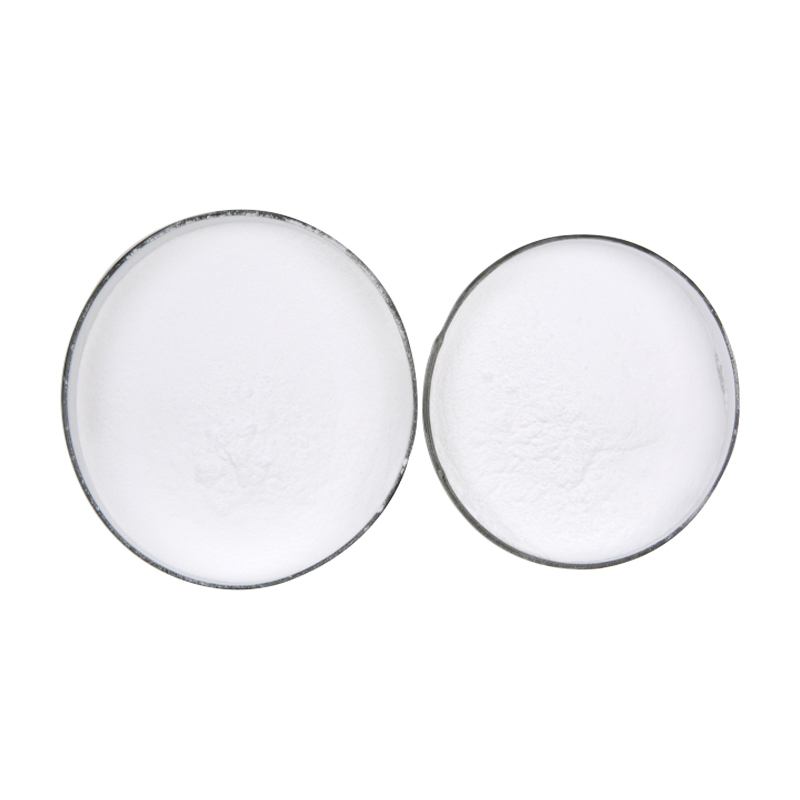 Calcium/Zinc One Pack Heat Stabilizer For PVC PipesA lead-free, ROHS and REACH compliant powder stabilizer for pipe extrusion. As the preceding discussion notes, calcium-zinc one-packs are the mainstream choice for pipe production, so proper dosage and co-stabilization knowledge make this product worth reviewing.View Product →
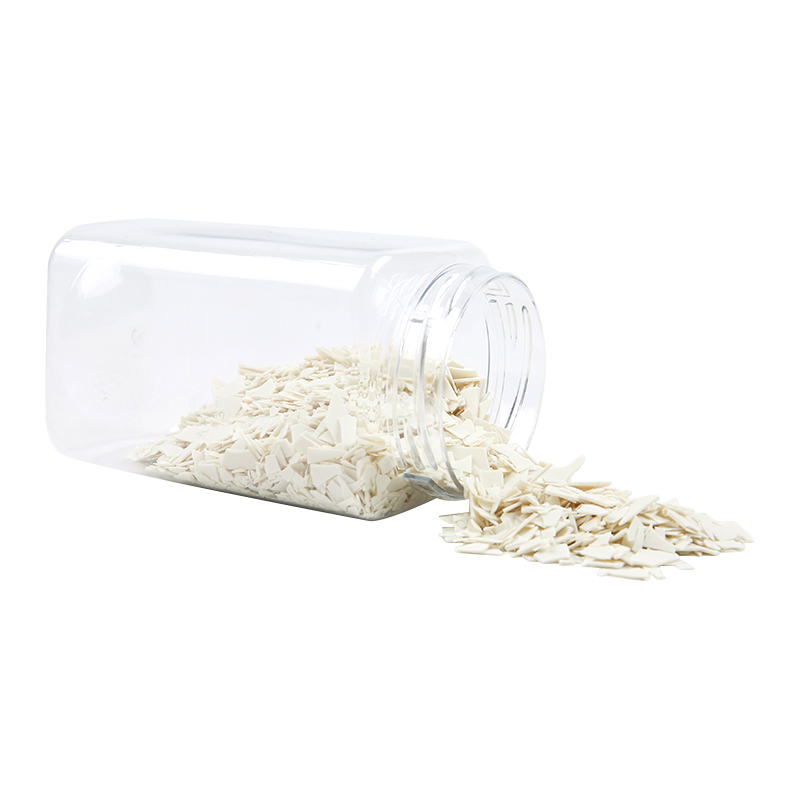
  Lead-Based One-Pack Heat Stabilizer For PVC Window ProfilesA flake one-pack blend of lead stabilizer, lubricants, and co-additives for profile extrusion. It fits the article's point that lead-based systems remain the cost-effective benchmark for pipe and window profiles where still permitted, offering long dynamic stability.View Product →
Flexible Compounds and Plastisols
Flexible work shifts the requirements. Cable jackets and insulation, calendered film, and coated fabrics each put different demands on the stabilizer: cable grades prize long-term electrical and thermal performance, while transparent and light-colored products such as synthetic leather need chemistry chosen for optical clarity as much as for heat hold. Liquid barium-zinc systems are valued precisely for combining both, and they remain the habitual choice in plastisol-driven applications from leather to coated textiles. Similar selection logic applies across PVC films, sheets, and calendered products, where stabilizer choice directly controls color hold and transparency side by side.
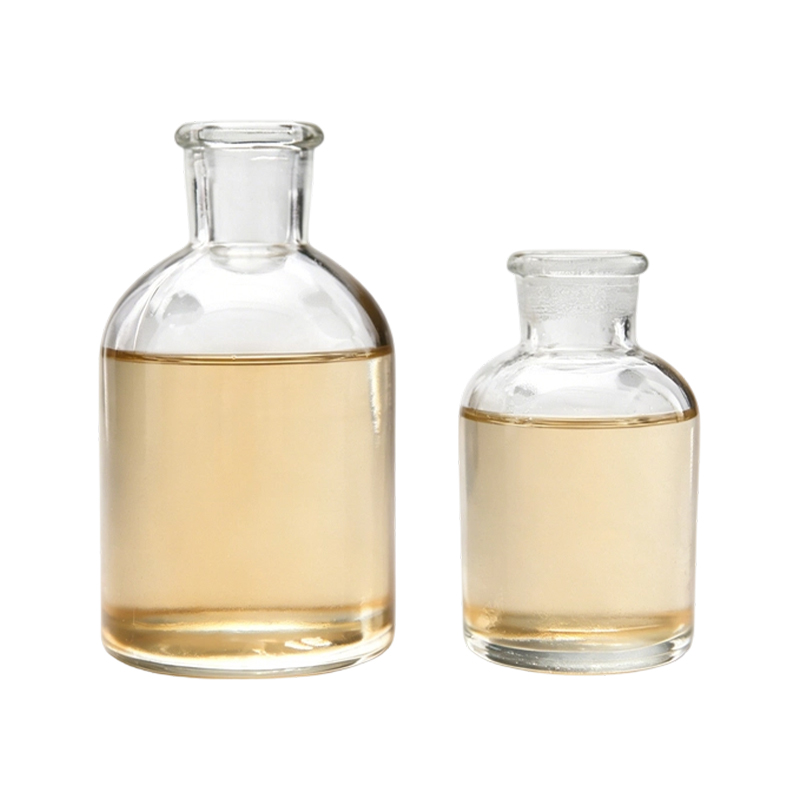 Ba/Zn Heat Stabilizer For PVC Synthetic LeatherA liquid barium-zinc stabilizer combining heat stability with good transparency for synthetic leather and coated applications. The preceding paragraph highlights liquid Ba-Zn systems as the habitual choice for plastisol-driven leather and textile uses.View Product →
A Practical Checklist Before You Commit
Procurement risk in PVC rarely comes from the resin itself; it comes from mismatches between resin, stabilizer, and process. Five checks prevent most of them:
- Fix the regulatory target first. Confirm whether the end market requires lead-free formulations before choosing between lead-based and calcium-zinc systems, because switching a specification mid-project is expensive.
- Match loading to severity. Higher K-values, longer residence times, and hotter processing all justify higher stabilizer loading; a dosage copied from a K-60 datasheet will not protect a K-70 cable compound.
- Demand dynamic test data. Static Congo red times say little about real extrusion, so ask for torque rheometer curves and two-roll mill color-hold results at your own processing temperature.
- Audit consistency, not just chemistry. Certified production systems, documented lot-to-lot variation, and a supplier willing to adjust the formulation to your line matter more than a heroic datasheet number.
- Separate clarity from stability requirements. Transparent film and leather need stabilizer chemistry selected for optical performance as well as heat hold, which is exactly why liquid grades exist.
The useful way to think about PVC resin is as half of a single decision. The grade defines what the compound can achieve, meaning strength, clarity, plasticizer demand, and cost position, while the stabilizer system defines how reliably the plant gets there, shift after shift. Suppliers who have spent decades formulating for specific end uses, and who have helped write the standards those formulations are judged against, are the ones best placed to close the gap between a datasheet and a clean production run. When evaluating partners, it is worth asking how long they have produced stabilizers for your specific process and whether they have contributed to national specifications such as GB/T 33284 for heat stabilizers used in unplasticized PVC profiles; the answers tend to predict how smoothly the first trial lot goes.

Let’s Build the Future Together
We are a company specializing in the research, development, production, and sale of PVC stabilizers.
Get a Quote
Product Categories
Quick Links
Contant us
-
 +86-15206141222
-
 zptian2008@163.com
-
 No. 66, Xingsheng Road, Nandu Town, Liyang City, Jiangsu Province, China
Copyright © JiangSu Uniwel Chemistry Co.,Ltd. All Rights Reserved.
 PVC Stabilizer Manufacturer PVC Stabilizer Supplier PVC Stabilizer Factory in China