
 English
 Español
 عربى
عربى
 View More

 Industry News
Home / News / Industry News / PVC Compounds for Extrusion: Stabilizer Selection, Dosage and Defect Control
PVC Compounds for Extrusion: Stabilizer Selection, Dosage and Defect Control
Complete Stabilizer Platforms for Every PVC Application
Content
A pipe line running 900 kg/h rarely stops because the screw wore out. It stops because the compound ran out of thermal headroom two metres before the die. Brown streaks at the die lip, a sudden climb in melt pressure, or an impact test that passes in January and fails in July usually trace back to three things: stabilizer chemistry, stabilizer dosage, and the balance between internal and external lubricants.
Here is the short version before the detail. Specify an extrusion PVC compound by stabilizer system and dosage first, then by resin K-value and filler loading, and only then by price per kilogram. A formulation that is four percent cheaper but sits ten degrees closer to its decomposition point will cost more in scrap within a single production month. The sections below show how each choice appears on the line, using the ranges we check when reviewing extrusion formulations.
What Makes a PVC Compound Extrusion-Grade
PVC resin cannot be extruded on its own. Above 180 °C the polymer releases hydrogen chloride, the chain develops conjugated double bonds, and the melt moves from white to yellow to brown within minutes. A compound is the resin plus the additive package that buys processing time, controls melt flow, and locks in the mechanical properties of the finished part.
Extrusion adds one requirement that injection moulding compounds do not have: the package must delay fusion long enough for the powder to convey and compact in the feed zone, then release lubricant at the right moment so the melt gels uniformly. That is why extrusion grades are usually supplied as pre-blended one-packs, with stabilizer, internal lubricant, and external lubricant already proportioned.
Typical starting ranges for rigid extrusion
- Resin K-value: 66 to 68 for pressure pipe and window profiles; 65 to 67 for foam and high-output lines where lower melt viscosity helps conveying.
- Heat stabilizer: 3 to 5 phr of a calcium-zinc one-pack, or 4 to 6 phr of a lead-based one-pack, in unplasticized pipe and profile formulations.
- Internal lubricant: 0.3 to 0.8 phr, to lower melt viscosity and promote gelation.
- External lubricant: 0.8 to 1.5 phr, to reduce friction at the barrel wall and die land.
- Filler: 3 to 10 phr of coated calcium carbonate in pipe, higher in profiles; every additional 5 phr of filler raises the thermal load on the stabilizer.
- Impact modifier: 4 to 8 phr of CPE or acrylic for outdoor profiles.
- Titanium dioxide: 4 to 6 phr for profiles that face direct sunlight.
Flexible compounds follow different logic. Plasticizer carries the flow, so stabilizer dosing drops and the lubricant package shrinks. A cable sheathing compound may need only 2 to 4 phr of liquid barium-zinc and no external wax at all.
Choosing the Stabilizer System
The stabilizer system is the biggest single constraint on your processing window, and the choice is decided by product contact rules and colour requirements more often than by technical performance. Three families cover almost all extrusion work.
| System | Typical extruded products | Strengths | What to watch |
|---|---|---|---|
| Lead-based one-pack | Drainage pipe, profiles where permitted | Widest processing window per unit cost, strong long-term stability | Heavy-metal labelling, restricted for drinking water and toys |
| Calcium-zinc one-pack | Pipe, profiles, boards, cable | No heavy metals, good initial colour, fits contact regulations | Needs tighter lubrication balance; plate-out and zinc burning if overdosed |
| Liquid barium-zinc | Flexible cable, films, coated fabrics | Fast dispersion, excellent transparency and initial colour | Liquid metering and plasticizer compatibility must be checked |
Where regulations allow it, lead-based one-packs still deliver the widest window for the lowest cost. Where drinking water, toys, or food contact is involved, calcium-zinc is the practical default and the formulation work moves into lubrication balance and plate-out control. Liquid barium-zinc stays the choice for transparent or plasticizer-rich products because it disperses instantly and holds colour.
Standards are increasingly specific about these systems. GB/T 33284, the Chinese specification for heat stabilizers used in unplasticized PVC profiles, defines requirements and test methods for the stabilizer itself, not only for the finished profile. Suppliers involved in drafting it tend to publish stability times and dosage recommendations in a comparable format, which makes grade-to-grade comparison far easier.
Dosage, Lubrication Balance, and Fusion Control
How much stabilizer is enough
Do not size the dose by feel. Measure the static thermal stability time of the compound at 200 °C, then compare it with the real residence time in the barrel and die. A workable rule is a stability time of two and a half to three times the residence time. A pipe formulation with 90 seconds of residence time needs roughly 240 to 270 seconds of stability at 200 °C, which typically lands between 3.5 and 4.5 phr of a calcium-zinc one-pack.
Fusion level is the second number to watch
Twin-screw pipe lines normally target 60 to 70 percent gelation, measured by DSC or a solvent test on the finished pipe. Profiles sit slightly lower, around 55 to 65 percent. Push fusion past 80 percent and impact strength drops even though the surface still looks perfect; the part becomes brittle in cold weather and fails drop tests in winter.
Reading defects back to the formulation
| Defect | Likely compound cause | First adjustment |
|---|---|---|
| Brown streaks at the die | Stabilizer depleted by long residence time | Raise stabilizer by 0.3 to 0.5 phr |
| Sharkskin or rough surface | External lubricant too low, melt fracture at the land | Add 0.1 to 0.2 phr external wax |
| Bubbles and voids | Moisture in filler, high volatiles in the compound | Dry the filler, keep volatiles below 0.3 percent |
| Low impact after storage | Fusion level above 80 percent | Increase external lubricant, lower die by 5 to 10 °C |
| Plate-out on the die lip | Over-lubrication or incompatible lubricant | Reduce calcium stearate, rebalance internal and external |
Most extrusion defects that look mechanical are lubricant or stabilizer balance problems. Change one variable at a time and keep the die temperature fixed while you do it, otherwise the trial tells you nothing.
Matching the Compound to the Extrusion Line
The same stabilizer chemistry behaves differently in a pipe die, a profile die, and a cable crosshead. Match the compound to the process rather than to a general product name.
Pipes and fittings
Pressure pipe is the most demanding rigid case: constant output, high melt pressure, and a wall that must survive hydrostatic testing for decades. The most common field problem is plate-out on the die lip after several hours of running, and the fix is usually a slightly different lubricant split rather than more stabilizer. A calcium-zinc one-pack built for pipe duty, with the lubricant balance set for 60 to 70 percent fusion, is the normal starting point.
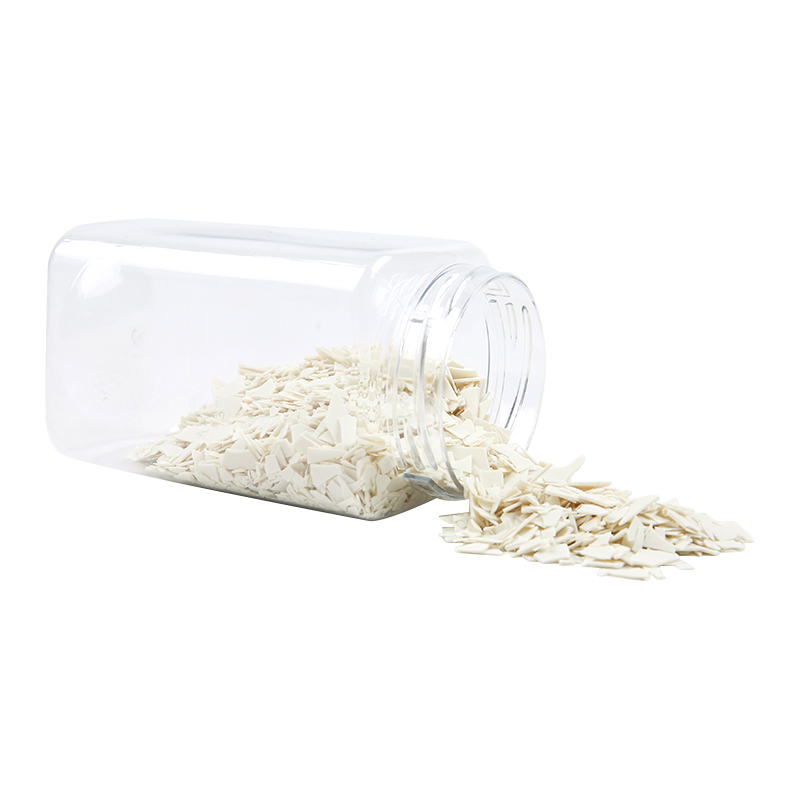
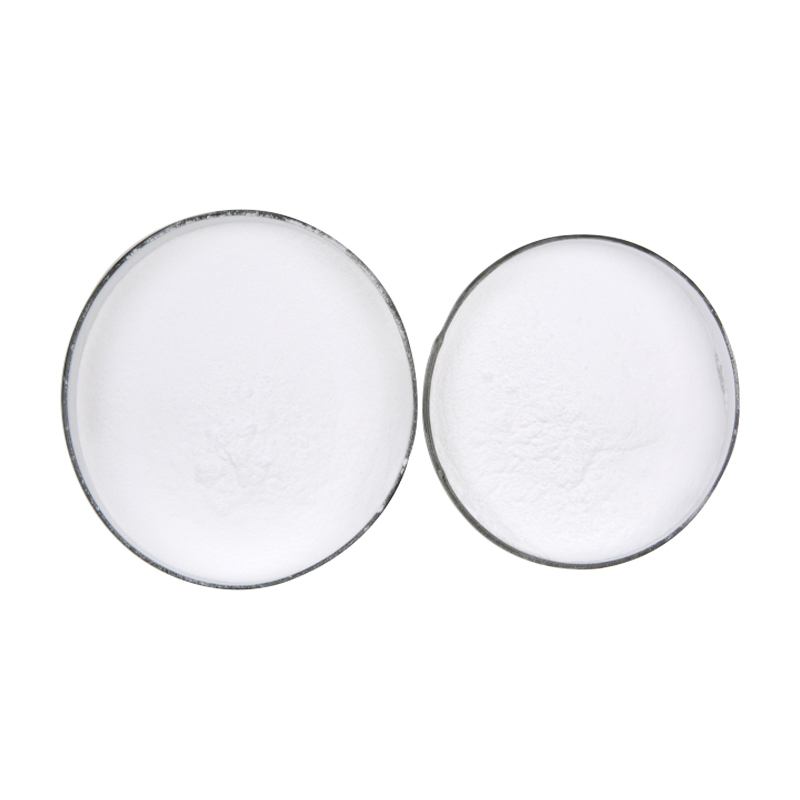 Calcium/Zinc One Pack Heat Stabilizer For PVC PipesCalcium/Zinc one pack heat stabilizer for PVC pipes Product Name: Ca/Zn heat stabilizer for PVC pipes Appearance: white or yellowish powder Characteristics: Environmen...View Product →
Pipe lines also demand lot-to-lot consistency, because a 0.5 phr shift in stabilizer between two batches is enough to move the fusion point. A short review of pipe and fitting applications helps when you set the acceptance window for incoming material.
Window profiles
Profiles run slower than pipe but sit in the barrel longer, carry higher filler loads, and use more pigment. White profiles also have to hold colour through years of UV exposure, which puts the emphasis on long-term thermal stability rather than on instantaneous colour after the die.
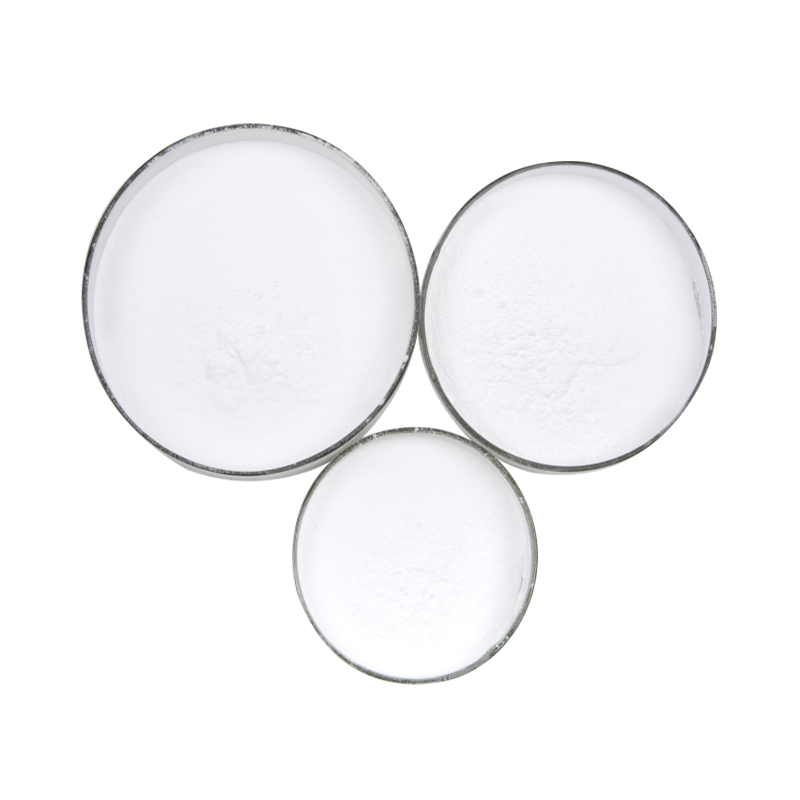 Calcium/Zinc One Pack Heat Stabilizer For PVC Window ProfilesCalcium/Zinc one pack heat stabilizer A.Calcium/Zinc one pack heat stabilizer for PVC window profiles Product Name: Ca/Zn heat stabilizer for PVC profiles Appearance: ...View Product →
Wire and cable
Cable insulation and sheathing are judged on elongation retention after ageing and on surface smoothness at high line speeds. Calcium-zinc grades for wire and cable usually carry a higher internal lubricant fraction so the melt wets the conductor evenly without surging.
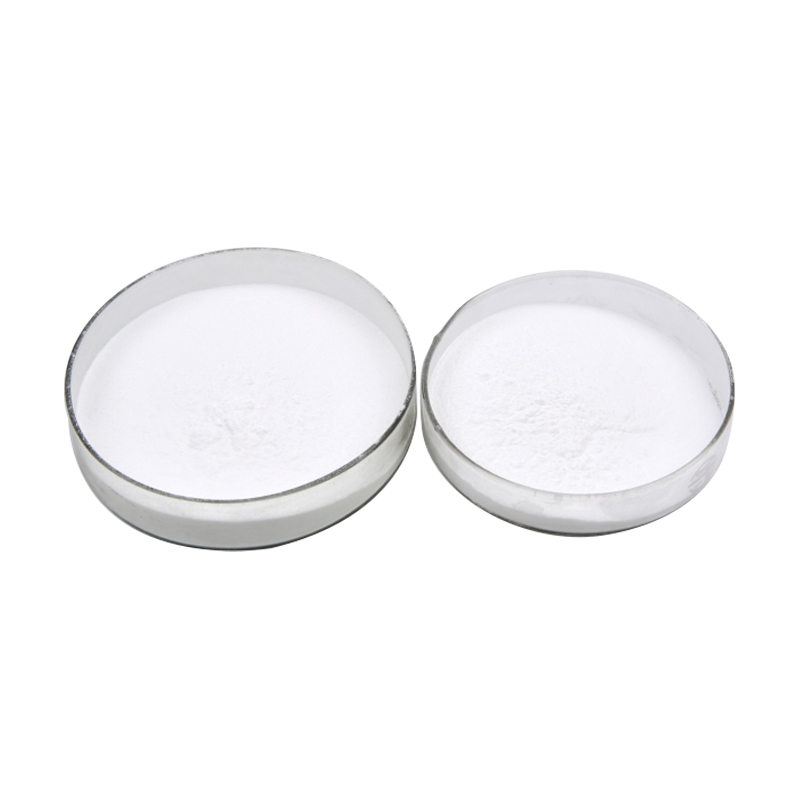 Calcium/Zinc One Pack Heat Stabilizer For PVC Wires&CablesCalcium/Zinc one pack heat stabilizer for PVC wires cables Product Name : Ca/Zn heat stabilizer for 70 degrees white color wires cables Appearance : White or yellowish...View Product →
Foam boards and SPC core layers
Celuka and WPC foam extrusion runs cooler, roughly 165 to 190 °C, and the compound must hold enough melt strength to support cell growth without collapsing. Over-lubrication is the classic mistake: melt pressure falls, cells coarsen, and board density climbs. The lubrication window for these lines is covered in more detail under PVC foam board and WPC Celuka foaming.
What to Write Into a Purchase Specification
Most disputes between a processor and a stabilizer supplier begin because the purchase order said "calcium-zinc one-pack" and nothing else. Put these items on the specification sheet instead:
- Resin K-value, with the permitted range for each lot, usually plus or minus 1.
- Stabilizer chemistry, physical form, and dosage in phr, not in percent of compound.
- Static thermal stability time at 200 °C, with a stated minimum and the test method.
- Volatile and moisture content, typically no more than 0.3 percent for a one-pack powder.
- Bulk density and sieve residue, so feeding and pneumatic conveying stay stable.
- Black speck and fish-eye limits, agreed as a count per unit area on a pressed plaque.
- A certificate of analysis for each lot, plus a retained sample kept for at least twelve months.
Two items do most of the work: the stability time and the dosage stated in phr. If a supplier will not put a number and a test method on paper, the grade is not ready for a production line.
Cost, Compliance, and Moving From Lead to Calcium-Zinc
Converting a lead-stabilized line to calcium-zinc is a formulation project, not a straight swap. Expect to add 0.5 to 1.0 phr of stabilizer, rebalance internal and external lubricants, and possibly lower the die temperature by 5 to 10 °C. Compound cost usually rises by a few percent, while the gains appear in export compliance, drinking-water approvals, and the removal of heavy-metal labelling and waste classification costs.
Run the conversion on one line first, for at least 24 hours. Check fusion level on the finished part, low-temperature impact, and colour after oven ageing. If all three hold, the second line is straightforward. If impact drops, the cause is almost always fusion level rather than the stabilizer itself.
The practical sequence for any extrusion compound comes down to four steps: fix the stabilizer chemistry against your compliance requirements, size the dose with a 200 °C stability test, set fusion through the lubricant split, and write both numbers into the purchase specification.
Ask for a sample with a data sheet that states stabilizer dosage, stability time, and lubricant content, then run it on your own line and measure. The compound that keeps a clean die lip at hour eight and still passes impact testing in February is the one worth its price.


Let’s Build the Future Together
We are a company specializing in the research, development, production, and sale of PVC stabilizers.
Get a Quote
Product Categories
Quick Links
Contant us
-
 +86-15206141222
-
 zptian2008@163.com
-
 No. 66, Xingsheng Road, Nandu Town, Liyang City, Jiangsu Province, China
Copyright © JiangSu Uniwel Chemistry Co.,Ltd. All Rights Reserved.
 PVC Stabilizer Manufacturer PVC Stabilizer Supplier PVC Stabilizer Factory in China