
 English
 Español
 عربى
 View More

 Industry News
Home / News / Industry News / Polyethylene Wax in PVC Processing: Dosage, Types, and Stabilizer Balance
Polyethylene Wax in PVC Processing: Dosage, Types, and Stabilizer Balance
Complete Stabilizer Platforms for Every PVC Application
Content
A pipe compounder adds 0.2 phr of a new polyethylene wax and sees output rise by 6 percent. Three days later, impact tests fail at the weld line. That pattern is common because polyethylene wax is a useful processing aid with a narrow practical window. It lowers melt friction, improves dispersion, and changes surface quality, but it is not a heat stabilizer and cannot replace the stabilizer package that protects PVC from dehydrochlorination.
Polyethylene wax definition: a low molecular weight ethylene polymer or oligomer, usually supplied as powder, granule, or flake, used as an external lubricant, dispersant, and processing aid in PVC and other polymer systems.
What Polyethylene Wax Does in PVC
Polyethylene wax does two jobs in PVC: it lubricates the melt and helps disperse powders, but it does not protect the resin from heat damage. In rigid PVC, the wax forms a low-friction film at the metal interface, delays fusion, and reduces sticking in the die and calibrator. Oxidized polyethylene wax is more polar, so it tends to improve filler wetting and pigment dispersion rather than simply reduce metal friction.
| Property | Standard PE wax | Oxidized PE wax |
| Acid value | 0 to 2 mg KOH/g | 15 to 30 mg KOH/g |
| Drop point | 100 to 120 C | 100 to 115 C |
| Primary action | Metal release and external lubrication | Pigment and filler wetting, dispersion |
| Typical use | Pipe, profile, film, and sheet | Filled compounds, masterbatch, inks, coatings |
| Watch point | Overdose delays fusion | Overdose may raise viscosity or plate-out |
Key distinction: polyethylene wax changes how PVC flows. The heat stabilizer changes how long PVC survives heat. Confusing the two is how formulations drift out of control.
Reading the Specification: Molecular Weight, Drop Point, and Acid Value
Spec sheets for polyethylene wax are most useful when you read three numbers together: molecular weight, drop point, and acid value. Molecular weight influences viscosity and release behavior. Drop point hints at hardness and melting profile. Acid value shows whether the grade is standard or oxidized.
0 to 2 Acid value in mg KOH/g for a typical non-oxidized PE wax
100 to 120 C Common drop point range for PVC processing grades
0.1 to 0.5 phr Practical starting range for many rigid PVC trials
A higher drop point is not automatically better. It usually signals a harder wax with a different release profile, not a stronger stabilizer.
Low molecular weight waxes tend to lower melt viscosity and improve flow. Higher molecular weight grades give more release and can sharpen surface gloss, but they also raise the risk of poor fusion if the dose is too high. High acid value waxes are more polar and can improve filler wetting, yet they may interact more with metal soap stabilizers, so the stabilizer package needs review during any wax change.
Dosage and Stabilizer Balance in Rigid PVC
In rigid PVC, start polyethylene wax dosage low and adjust against fusion, torque, and weld-line strength, not against output alone. A common starting point is 0.15 to 0.3 phr of external PE wax, with step changes of 0.05 phr. Filled compounds may need a more dispersive wax, but that does not mean the total lubricant load should rise without limit.
External lubrication
- Reduces sticking to hot metal
- Delays fusion and lowers die torque
- Improves release and surface slip
- Too much weakens weld lines
Internal lubrication
- Lowers melt viscosity inside the compound
- Improves flow in complex sections
- Supports filler and pigment wetting
- Too much can cause surging and plate-out
For pipe and profile compounds, the stabilizer package has to match the same fusion window. A calcium-zinc one-pack system designed for pipe compounds is often a better starting point than a generic stabilizer when wax dose and die temperature are being optimized.
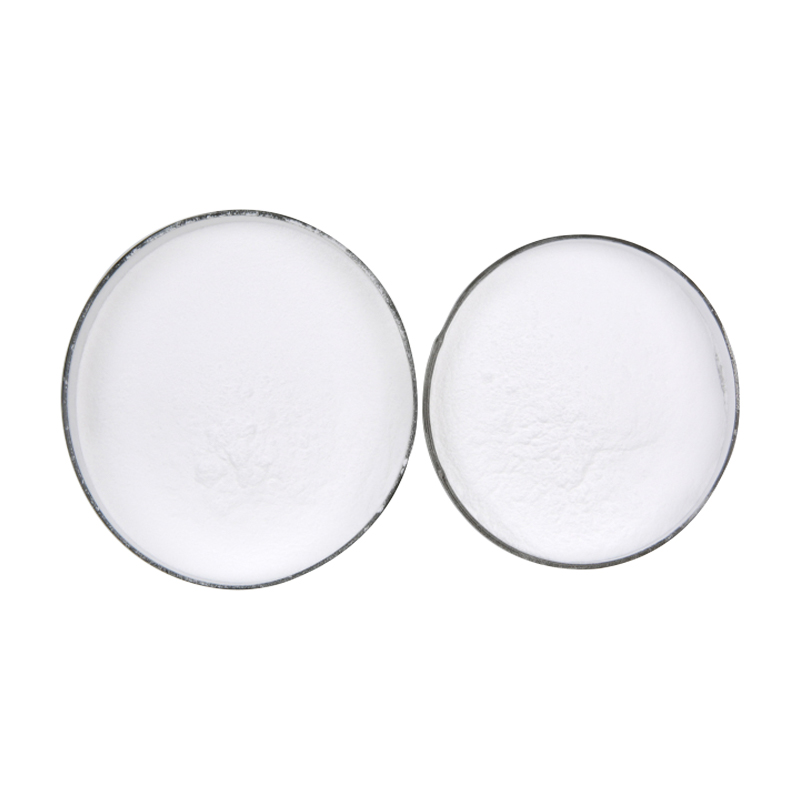 Calcium/Zinc One-Pack Heat Stabilizer for PVC PipesCa/Zn one-pack powder for PVC pipes and fittings, a pipe-compound stabilizer option to check when matching the fusion window before adjusting wax dose.View Product →
A 0.1 phr wax increase can move fusion by several seconds in a twin-screw pipe line. Change one variable at a time, keep a torque trace, and record die pressure before the next trial.
Common Processing Problems Linked to PE Wax
Most polyethylene wax problems in PVC show up as fusion faults, surface defects, or plate-out, and the cause is usually overdose or a wax type that is too polar for the formulation. Check the wax before changing the stabilizer, because a lubricant fault can mimic a stability fault.
- Weak weld line or low impact strength: external wax overdose is delaying fusion. Reduce the dose by 0.05 phr and recheck torque and impact.
- Plate-out on the calibrator or die: the wax may be incompatible or too high melting for the running temperature. Review acid value, drop point, and filler loading.
- Surface haze or dispersion spots: the compound may need a more polar oxidized wax or better mixing, not more stabilizer.
- Torque drop and surging: total lubrication is too high. Lower the wax package and confirm that the stabilizer level still matches the heat history.
Do not fix a fusion problem by adding stabilizer first. Check wax dose, die temperature, and screw profile. A stabilizer is not a lubricant, and a lubricant is not a stabilizer.
A Buyer Checklist for Polyethylene Wax
Buy polyethylene wax by specification and trial, not by product name alone. Two grades with the same drop point can behave differently if molecular weight, acid value, or volatility differs.
- Request a certificate of analysis with acid value, drop point, viscosity, and volatility.
- Confirm molecular weight range and physical form before planning a silo or feeder change.
- Run a stepwise trial at 0.05 phr increments and record fusion, torque, and surface quality.
- Check compatibility with the stabilizer, filler, and pigment system in the actual compound.
- Keep lot traceability so a wax change can be separated from a resin or stabilizer change.
A 25 kg sample that saves 2 percent scrap is cheaper than a full silo of the wrong grade. Ask for the trial data behind the specification, not only the specification itself.
Questions Buyers Ask About Polyethylene Wax
Short answer: polyethylene wax is a processing aid, not a stabilizer. It changes flow, release, and dispersion; it does not stop PVC from degrading under heat.
Is polyethylene wax the same as polyethylene?
No. Polyethylene is a high molecular weight polymer used for strength and structure. Polyethylene wax is a much lower molecular weight material used for lubrication, dispersion, and surface control.
What dosage of PE wax is used in PVC?
Many rigid PVC trials start between 0.1 and 0.5 phr, but the correct dose depends on process, filler level, stabilizer package, and target fusion. Small step changes are safer than large one-time additions.
Does polyethylene wax reduce PVC strength?
It can when overdosed, especially in rigid PVC where excess external wax delays fusion and weakens weld lines. At the right dose, it supports processing without becoming the limiting factor in mechanical performance.
How do I choose between standard and oxidized PE wax?
Start with the job the wax must do. Standard PE wax is usually chosen for release and external lubrication. Oxidized PE wax is chosen when filler wetting, pigment dispersion, or polar compatibility matters more.
Let’s Build the Future Together
We are a company specializing in the research, development, production, and sale of PVC stabilizers.
Get a Quote
Product Categories
Quick Links
Contant us
-
 +86-15206141222
-
 zptian2008@163.com
-
 No. 66, Xingsheng Road, Nandu Town, Liyang City, Jiangsu Province, China
Copyright © JiangSu Uniwel Chemistry Co.,Ltd. All Rights Reserved.
 PVC Stabilizer Manufacturer PVC Stabilizer Supplier PVC Stabilizer Factory in China