

 English
 Español
 عربى
عربى Get a Quote
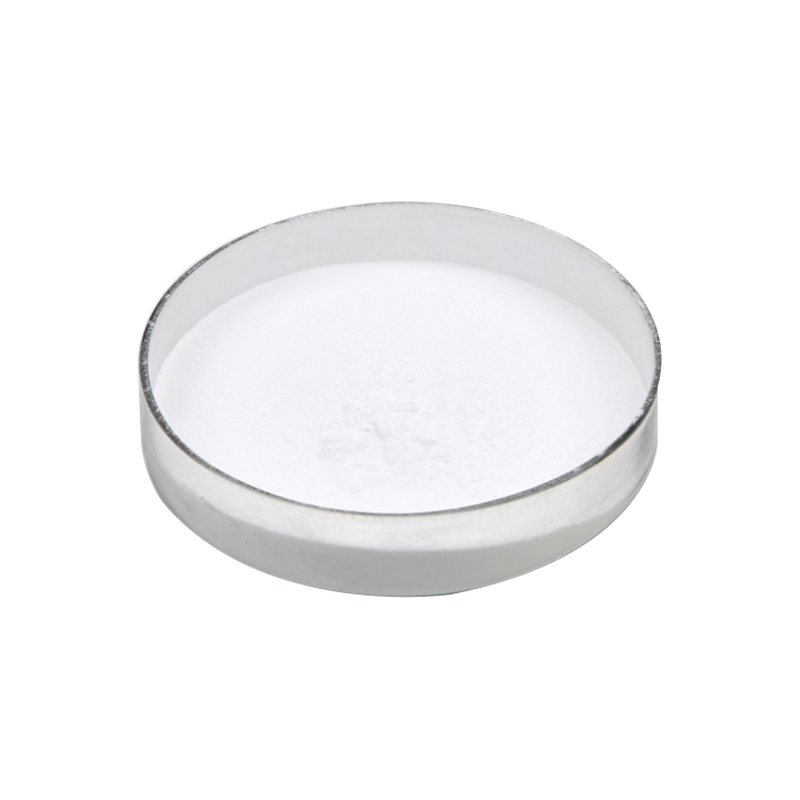
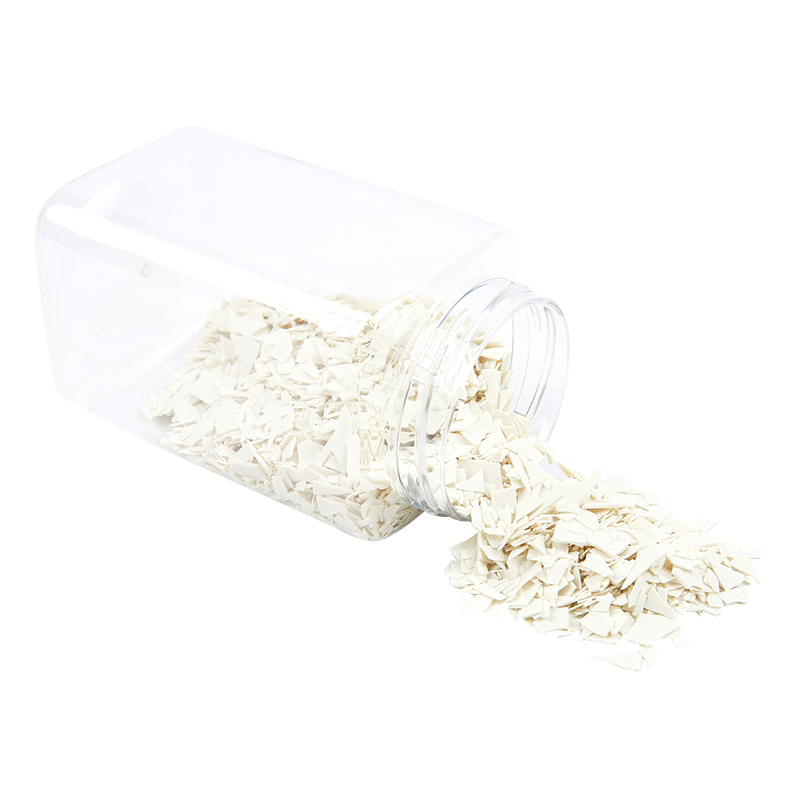
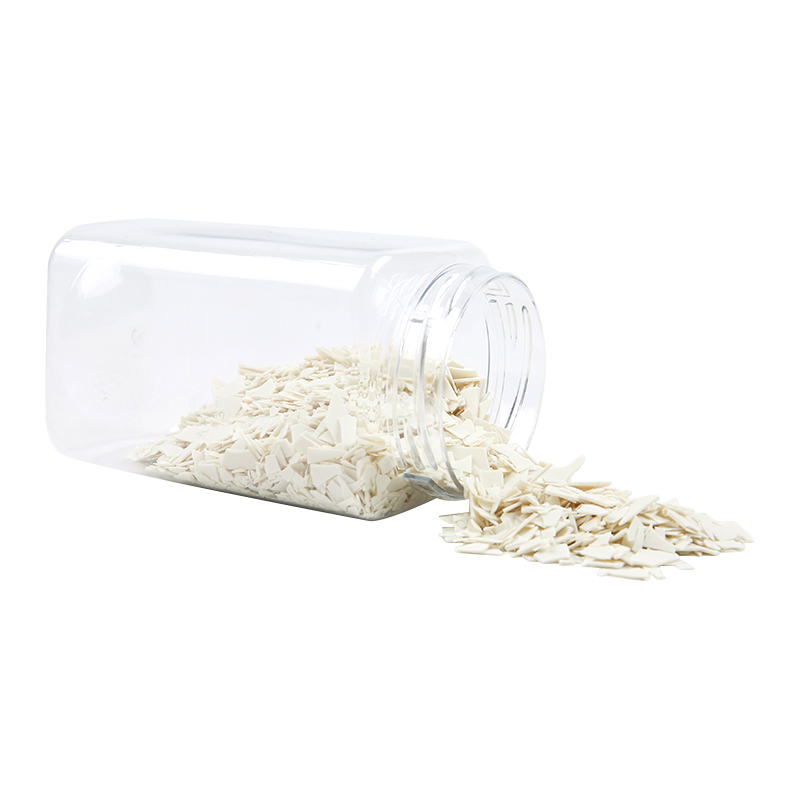
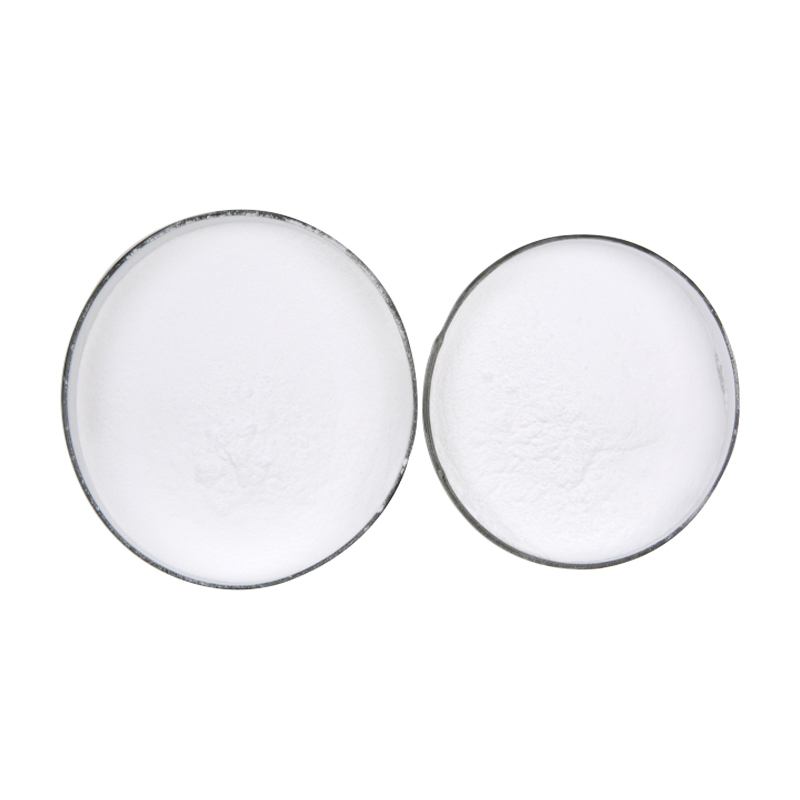
Lubrication Balance: The Hidden Lever in One‑Pack Ca/Zn Systems for Rigid PVC Boards
A Calcium/Zinc One Pack Heat Stabilizer For PVC Board is far more than a heat protector—it is a fully formulated processing aid where internal and external lubricants must work in precise synergy. When this balance is off, even a high‑performance stabilizer can cause plate‑out, surface defects, or incomplete fusion. Internal lubricants like calcium stearate reduce melt viscosity and promote uniform plastication, while external lubricants such as oxidized polyethylene waxes control metal release and prevent sticking to screws and dies.
For rigid foam boards, the stakes are even higher: too much external lubrication delays gelation and collapses the foam cell structure, while excessive internal lubrication creates low melt strength and leads to surging output. At JiangSu Uniwel Chemistry, our one‑pack approach pre‑disperses each component, ensuring that the critical external‑to‑internal lubricant ratio stays locked at a proven window of 1:0.6 to 1:0.9 for Celuka and free‑foam processes alike. The result is a markedly wider processing window, allowing producers to adjust line speed or barrel temperature without risking gloss variation or post‑extrusion brittleness.
Key parameters influenced by lubricant balance
- Melt pressure stability: an ideal one‑pack system holds fluctuation below ±1.5 bar on a 220‑mm sheet die.
- Plate‑out onset time: a well‑balanced formulation pushes visible die deposit formation past 8 hours of continuous run.
- Surface gloss retention: correct external slip levels maintain initial gloss without the hazy bloom often seen at higher amperage.
How a Specialized Ca Zn Stabilizer Preserves Dimensional Integrity in High‑Filler SPC Flooring
Stone plastic composite flooring pushes PVC compounds to filler loadings of 60–75 wt% calcium carbonate, where thermal conductivity rises sharply and localized hot spots can trigger yellowing or chain scission. A Ca Zn Stabilizer for SPC Flooring must therefore deliver not only robust long‑term heat stability but also exceptional metal‑release control under high shear. The stabilizer’s fatty acid soaps and co‑stabilizers need to scavenge HCl rapidly while maintaining a lubrication layer that prevents the abrasive filler from eroding the screw and barrel.
We at JiangSu Uniwel Chemistry have engineered our SPC‑grade Ca/Zn one‑pack to thrive under these demanding conditions, delivering sustained dynamic heat stability of over 45 minutes at 195°C even with 70 % filler. This directly translates to fewer line stops for die cleaning and a lower reject rate caused by edge‑cracking during downstream milling and click‑lock profiling. The table below compares typical performance indicators that flooring producers should evaluate when qualifying a stabilizer.
| Property | Conventional Ca/Zn | SPC‑optimized Ca/Zn |
|---|---|---|
| Dynamic heat stability (195°C) | 28–32 min | 46 min |
| Color hold (ΔE after 30 min) | 6.8 | 1.9 |
| Equilibrium torque (Nm) | 11.2 | 9.4 |
| Plate‑out rating (10 = clean) | 6 | 9 |
Matching Foaming Kinetics to Your Ca‑Zn Stabilizer for WPC Flooring
Wood‑plastic composite flooring relies on a finely controlled foaming step to reduce density while preserving nail‑holding strength and screw withdrawal resistance. A Ca‑Zn Stabilizer for WPC Flooring influences this process far beyond heat protection: the metal carboxylates in the stabilizer interact with azodicarbonamide, subtly shifting its decomposition peak from 204°C down to around 192°C. This activation effect must be predictable; otherwise, gas release occurs too early (producing coalesced, irregular cells) or too late (leaving unfoamed skin layers that waste material).
Our technical team has refined the metal‑soap ratio in the Ca‑Zn Stabilizer for WPC Flooring so that the onset of gas evolution aligns with the melt reaching its optimal extensional viscosity. This results in a cell diameter deviation of less than 50 µm across the board thickness, verified by micro‑CT cross‑sections. For compounders and extruders who want to benchmark a new stabilizer lot, we recommend a structured screening sequence that reveals foaming consistency before starting full‑scale production.
- Run a torque rheometer with a water‑cooled chamber, holding the compound at 175°C for 5 minutes to mimic the extruder pre‑heating zone; record the melt viscosity curve.
- Prepare a compression‑moulded plaque containing the same stabilizer‑foaming agent ratio and measure gas volume under a thermomechanical analyzer (TMA) ramped at 10°C/min.
- Extrude a 1‑meter sample of the actual WPC deck board and extract 10 equally spaced density plugs — the coefficient of variation should stay below 2.5%.
- Perform a full‑section macro analysis under 20× magnification to check for surface‑core density gradient anomalies.
Extending Outdoor Service Life: Weathering Stability Built into the Stabilizer Package
When PVC‑based boards, SPC, or WPC products are installed in exterior applications, ultraviolet radiation and humidity conspire to degrade the polymer matrix, often revealed by chalking, pink discolouration, or a rapid drop in impact resistance. While titanium dioxide provides a primary barrier, the stabilizer system itself plays a crucial supporting role. Specific organic co‑stabilizers, such as β‑diketones and phosphite antioxidants, can intercept photo‑oxidative free radicals before they initiate dehydrochlorination, effectively extending the colour‑hold period.
JiangSu Uniwel Chemistry’s outdoor‑rated formulations integrate UV‑quenching co‑stabilizers that work synergistically with the zinc carboxylates, achieving ΔE below 3 after 1000 hours of QUV‑A 340 exposure in our own accelerated weatherometer tests. This level of protection is particularly relevant for light‑coloured WPC decking and SPC wall cladding, where even minor yellowing is visually unacceptable. The following factors determine whether a Ca/Zn stabilizer package can truly withstand years of sun and rain:
- Acid scavenger type and loading — layered hydrotalcites provide a longer‑lasting buffer reservoir than simple calcium hydroxide additions.
- Lubricant bloom potential — certain external waxes can migrate and oxidize on the surface within months, creating a chalky film that masks true polymer degradation.
- Synergy with hindered amine light stabilizers (HALS) — although HALS are typically added separately, the stabilizer must not antagonize their radical‑scavenging mechanism.
- Processing shear history — a stabilizer that allows a gentle, low‑temperature melt state preserves the polymer’s initial molecular weight, giving weathering resistance a higher starting point.
By selecting a Calcium/Zinc One Pack Heat Stabilizer For PVC Board that has been purpose‑designed for exterior durability, manufacturers can confidently offer extended warranties on products like fencing, soffit, and balcony decking—backed not by hope but by repeatable accelerated aging data.


