
 English
 Español
 عربى
عربى
 View More

 Industry News
Home / News / Industry News / PVC Resins Guide: How Grades and Heat Stabilizers Protect Pipe and Film Quality
PVC Resins Guide: How Grades and Heat Stabilizers Protect Pipe and Film Quality
Complete Stabilizer Platforms for Every PVC Application
Content
Every extrusion plant has watched it happen: a rigid pipe line running at 185 °C starts pushing yellow product within minutes of start-up, even though the resin lot and the screw speed have not changed. That color drift means the compound has run out of thermal reserve. The core fact is simple — PVC resin is one of the few high-volume plastics that begins to decompose before it fully melts, so the grade you buy is only half the purchasing decision; the heat stabilizer system matched to that resin is the other half. Get both right, and the same powder becomes pipe, profiles, cable insulation, flooring, and film with consistent color and strength.
What PVC Resins Are and How They Are Made
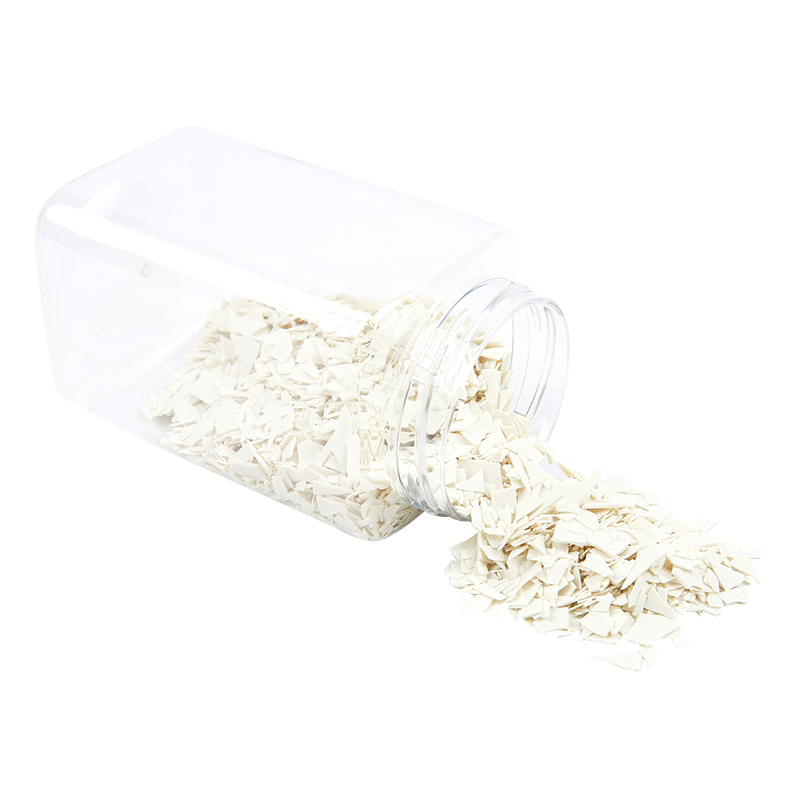
PVC resin is the powdered polymer produced from vinyl chloride monomer (VCM). Three commercial families exist, and the polymerization route shapes everything downstream — particle morphology, plasticizer uptake, and even optical clarity.
- Suspension PVC (S-PVC) covers the majority of world volume. VCM droplets polymerize in water into porous, irregular grains of roughly 100–150 microns — the resin behind pipes, window profiles, rigid sheets, and most cable compounds.
- Paste or emulsion PVC (E-PVC) uses emulsifiers to build far finer primary particles that form stable plastisols with plasticizers. Synthetic leather, flooring layers, and coated fabrics depend on it.
- Mass (bulk) PVC polymerizes without water, yielding glassy, dense grains valued in clear rigid products where gel particles would show.
Across all families, the most quoted number is the K value, a Fikentscher viscosity figure that tracks molecular weight. K 57–60 flows easily and suits injection-molded fittings; K 65–67 is the workhorse range for pipes and profiles; K 70 and above supplies the strength and flexibility that soft compounds and pressure pipe demand.
Resin Specifications That Decide Production Outcomes
Two buyers can order "the same" K 67 resin and still get different results on the same extruder, because the properties that control processing sit deeper in the specification sheet. Four parameters deserve a line-by-line check before any resin contract is signed.
- K value consistency. The average matters less than lot-to-lot stability; a wide molecular-weight spread widens the fusion window unpredictably.
- Particle size distribution and porosity. Porosity governs plasticizer absorption in flexible mixes, while fines and oversize grains cause fish eyes and surface defects.
- Volatiles and moisture. Excess moisture feeds bubbles, silver streaks, and die-pressure fluctuation in extrusion and calendering.
- Residual VCM. For potable-water pipe, food contact, and medical grades, this is a regulatory ceiling, not just a quality figure.
| Resin Family | Typical K Value | Particle Character | Primary Applications |
|---|---|---|---|
| Suspension PVC (S-PVC) | 57–75 | Porous, irregular grains of about 100–150 microns | Pipes, profiles, cable compounds, rigid film |
| Paste / emulsion PVC (E-PVC) | 65–80 | Fine particles forming plastisols | Synthetic leather, flooring, coated fabrics |
| Mass (bulk) PVC | 57–70 | Glassy, dense, transparent grains | Clear rigid products, bottles |
| Chlorinated PVC (CPVC) | Post-chlorinated | Chlorine content raised to roughly 63–69% | Hot-water pipe, industrial systems |
Why PVC Resins Cannot Survive Processing Without Stabilizers
PVC's weakness is built into its chain. Under heat, the polymer undergoes dehydrochlorination: labile chlorine sites release hydrogen chloride (HCl) gas, and the reaction turns autocatalytic — each molecule of liberated HCl accelerates further decomposition in a chain-unzipping sequence. Measurable degradation can begin near 100 °C, far below the typical 160–200 °C processing window, and it announces itself in a sequence every processor knows:
The damage goes beyond appearance. Chain scission and crosslinking during degradation alter melt viscosity, embrittle the product, cut impact strength, and leave plate-out on rolls and dies. This is why resin is never processed neat: a compounder builds a formula around it with lubricants, processing aids, fillers, and — non-negotiably — a heat stabilizer that neutralizes HCl, replaces labile chlorine atoms, and interrupts the degradation cycle before it starts.
This is precisely the field JiangSu Uniwel Chemistry has occupied since 1991. The company researches, develops, and manufactures one-pack and liquid heat stabilizer systems for PVC extrusion, injection, calendering, and foaming, operates under ISO 9001 and ISO 14001 certified management, and contributed to drafting China's national standard GB/T 33284 for heat stabilizers used in rigid PVC profiles.
Matching Stabilizer Chemistry to Resin Grade and End Product
No single stabilizer fits every resin and every market. Selection follows the end product, the processing route, and the regulatory environment of the destination market.
Rigid Pipes and Fittings
Pressure pipe built on K 65–67 suspension resin runs for hours through twin-screw extruders, so the stabilizer must deliver long dynamic thermal stability at economical dosage. Lead-based one-pack systems still serve markets where regulations permit, while calcium/zinc one-pack chemistry has become the default for potable-water and export lines.
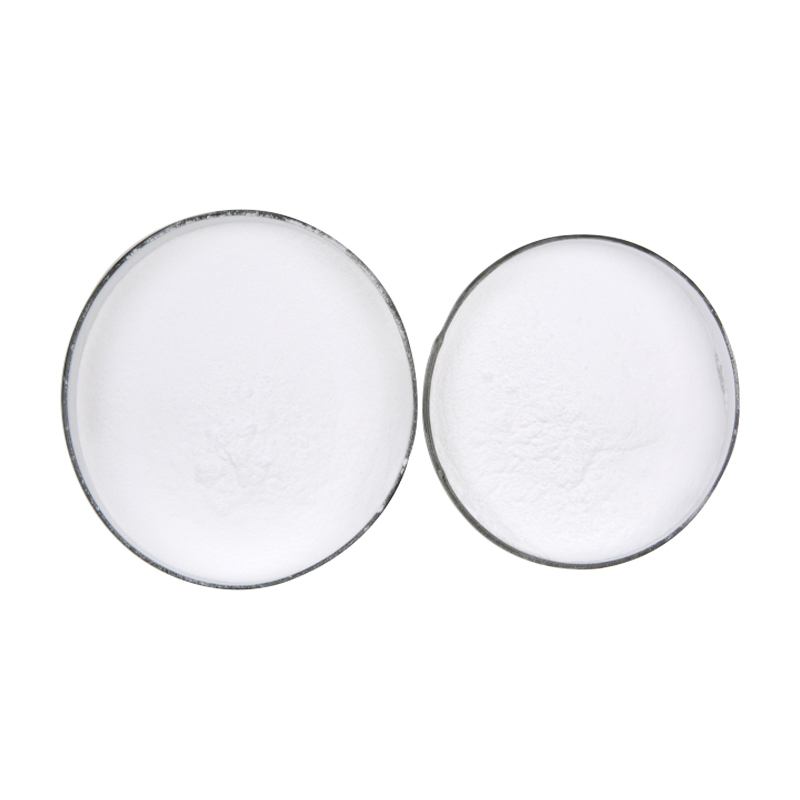 Calcium/Zinc One Pack Heat Stabilizer For PVC PipesAn eco-friendly Ca/Zn powder stabilizer for potable-water and export pressure pipe lines, offering long dynamic thermal stability, good lubrication balance, and consistent color without harmful heavy metals.View Product →
Window Profiles and Weatherable Building Products
Profiles face UV exposure for decades, so the package must hold color outdoors, not just inside the barrel. Ca/Zn one-pack grades formulated for profiles balance early color, long-term color hold, and impact retention after weathering — the same performance logic reflected in the GB/T 33284 standardization work.
Wires, Cables, and Flexible Compounds
Cable compounds pair K 70+ resin with plasticizers, adding heat-aging and long-term electrical requirements. Ca/Zn one-pack grades for wire and cable keep thermal reserve high while meeting the heavy-metal restrictions that many national standards now enforce.
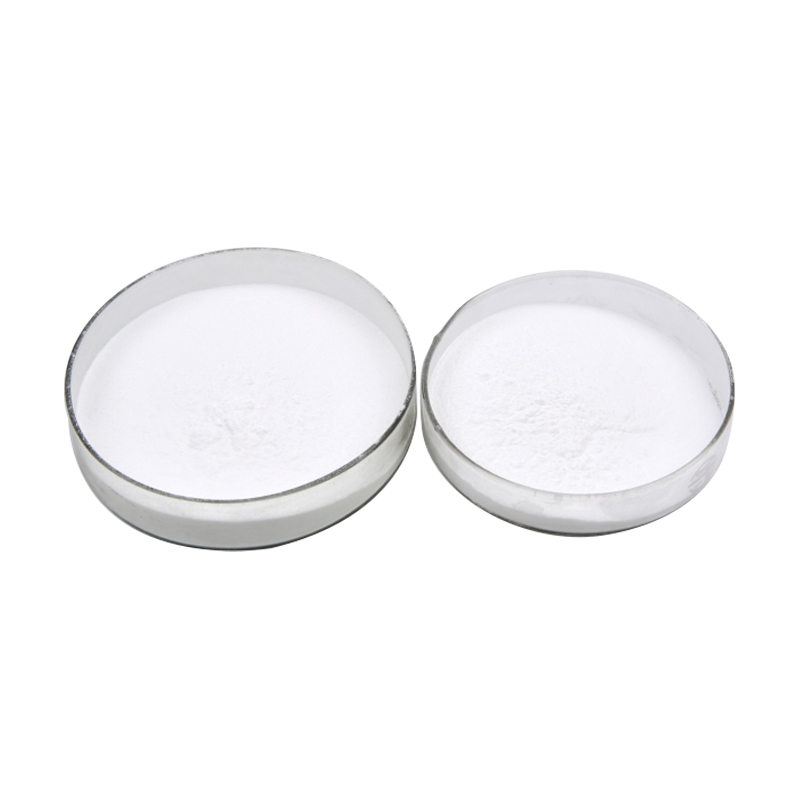 Calcium/Zinc One Pack Heat Stabilizer For PVC Wires&CablesA heavy-metal-free one-pack stabilizer for 70°C wire and cable compounds, delivering strong long-term heat aging, resistance to vulcanization pollution, chemicals, and oil, plus good dispersibility in plasticized compounds.View Product →
Calendered Film, Sheet, and Synthetic Leather
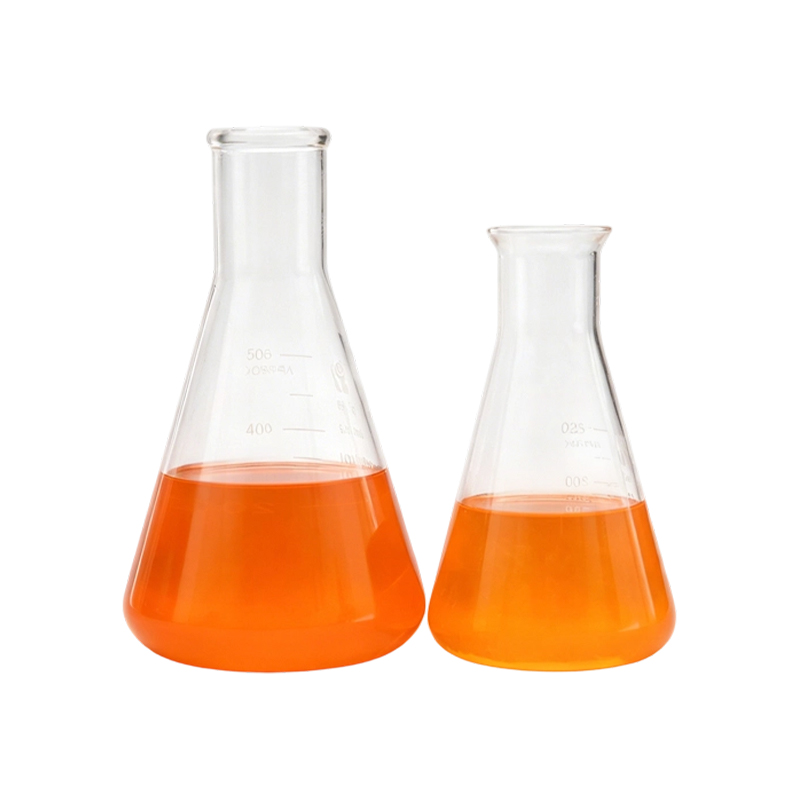
Flexible goods processed from paste resin or high-K suspension grades need liquid stabilizers that protect transparency through long calender runs. The demands of calendared films, sheets, and sheet-material lines differ sharply from pipe extrusion, and liquid barium/zinc chemistry is the established route where synthetic leather requires heat stability and optical clarity together; barium/cadmium/zinc liquids remain in use for advertising film only where cadmium is still permitted.
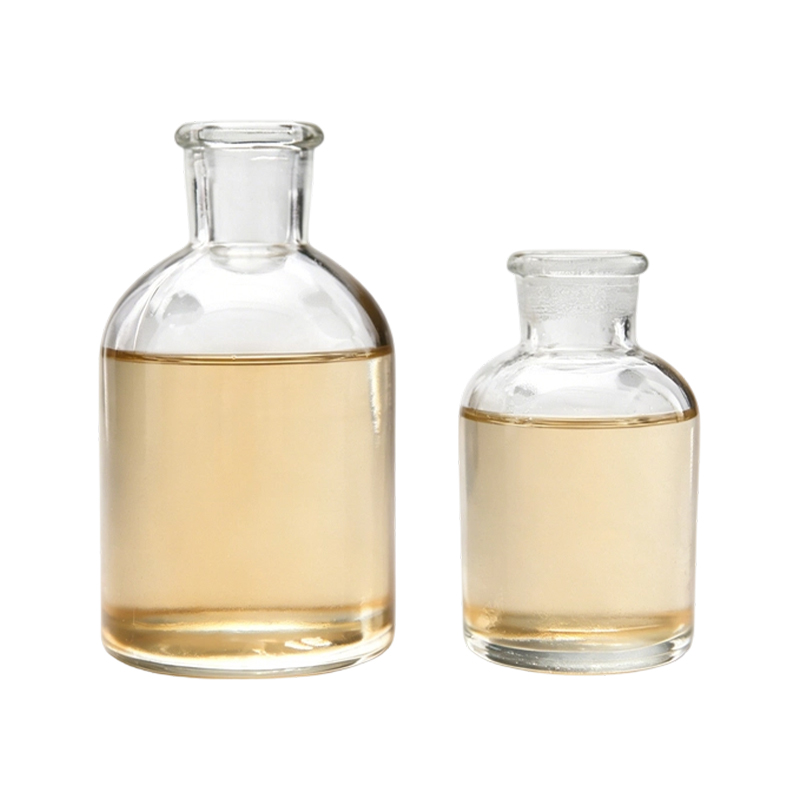 Ba/Zn Heat Stabilizer For PVC Synthetic LeatherA liquid barium/zinc stabilizer suited to calendered films and synthetic leather, combining excellent transparency, good initial color, long-term stability, and strong printing performance where optical clarity matters.View Product →
A Practical Checklist for Your Next Resin and Stabilizer Purchase
An hour spent on a disciplined checklist routinely prevents weeks of line troubleshooting. Before committing to a resin lot and its stabilizer package:
- Fix the K value from the product's mechanical requirements first, then request lot-to-lot consistency data from the resin supplier.
- State the processing route — extrusion, injection, calendering, or plastisol — because stability demand and lubricant balance shift with shear and residence time.
- Set the regulatory frame early; potable-water, food-contact, and RoHS-style limits will eliminate entire stabilizer categories before performance testing begins.
- Run a torque rheometer or two-roll mill comparison of the resin against candidate stabilizers, judging induction time and color hold together rather than color alone.
- Pilot the winning pair on the production line for at least one full shift before approving volume orders.
Exact dosage depends on grade, equipment, and target market. The technical overview of calcium zinc stabilizer types, dosage, and uses published by Uniwel is a practical starting point for that conversation.
PVC resin remains one of the most economical construction and consumer polymers available, but its value is realized only inside a compound built around its heat sensitivity. Read the specification sheet with a processor's eye, match the stabilizer system to the resin grade and the destination market, and validate the pair under production conditions — that sequence is what turns a commodity powder into a dependable product line.

Let’s Build the Future Together
We are a company specializing in the research, development, production, and sale of PVC stabilizers.
Get a Quote
Product Categories
Quick Links
Contant us
-
 +86-15206141222
-
 zptian2008@163.com
-
 No. 66, Xingsheng Road, Nandu Town, Liyang City, Jiangsu Province, China
Copyright © JiangSu Uniwel Chemistry Co.,Ltd. All Rights Reserved.
 PVC Stabilizer Manufacturer PVC Stabilizer Supplier PVC Stabilizer Factory in China