
 English
 Español
 عربى
عربى
 Industry News
Acrylic Processing Aid: Applications, Selection Criteria, and Practical Guidance
Complete Stabilizer Platforms for Every PVC Application
Content
"The surface looks better, but we are starting to see light yellowing at the weld lines, and the startup scrap rate has gone up." This is typical feedback from a rigid PVC extruder shortly after adding acrylic processing aid to the compound. It is also a common misunderstanding. The processing aid has not ruined the recipe; it has done its job too well. Earlier fusion, higher melt elasticity, and a more homogeneous melt mean the material leaves the screw fully gelled and hot, and the heat stabilizer in the formulation is no longer keeping up. Acrylic processing aid (ACR) is one of the most effective tools for improving PVC processability, but it cannot be evaluated alone. Its effect on fusion, melt strength, and surface quality is directly linked to the heat stabilizer system, because the same additive that improves the melt also changes the thermal load the stabilizer has to cover.
What Is Acrylic Processing Aid?
Acrylic processing aid is a high-molecular-weight acrylic polymer, generally supplied as a free-flowing white powder with a core-shell particle structure. The shell is based on methyl methacrylate and is naturally compatible with PVC; the core is a crosslinked acrylic rubber that provides elasticity. During compounding and extrusion, ACR particles adhere to the surface of PVC grains, absorb shear stress, and transfer that stress into the resin. Primary PVC particles break apart earlier, fusion time shortens, and a uniform gel is formed without the need for an excessive processing temperature.
The practical result is that the melt behaves as though the resin had a much higher molecular weight. It becomes more elastic, holds its shape after leaving the die, and tolerates higher take-off speeds without tearing. But ACR is not a stabilizer. It does not capture the hydrogen chloride released during PVC degradation, nor does it slow the polyene formation that leads to discoloration. By producing a fully fused, high-temperature melt, ACR actually increases the heat history that the stabilizer package must manage.
What ACR Actually Changes on the Line
On a production line, the effect of an acrylic processing aid shows up in a few distinctive ways:
- Fusion starts earlier and is more complete. Gelation develops along the screw instead of at the die, so the melt reaching the shaping tool has a consistent degree of fusion.
- Melt strength and hot elasticity increase. Hollow profiles and large cross-sections keep their shape at the calibrator, and sheet or film edges tear less during take-off.
- Surface defects such as shark skin, orange peel, and matte roughness disappear when the ACR dosage covers the natural lack of melt elasticity of the PVC resin.
- In foaming processes, higher melt tension keeps gas bubbles from coalescing, which produces a finer and more uniform cell structure in foam boards and Celuka profiles.
What ACR does not do matters just as much. It is not an external lubricant: if the compound sticks to the die or the calender rolls, the correction belongs to the lubrication package, not to a higher ACR loading. It is not a heat stabilizer: initial color, long-term color hold, and resistance to degradation remain entirely with the stabilizer system.
Typical ACR Loadings Across Applications
The correct dosage depends on the process and the finished product. In rigid PVC, ACR loading ranges from less than 1 part per hundred resin (phr) in simple pipe compounds to 6-10 phr in foam formulations, where melt tension is the main tool for controlling cell growth.
| Application | Typical ACR loading | Common stabilizer pairing |
|---|---|---|
| PVC pipes and fittings | 1-3 phr | Calcium/zinc or lead one-pack |
| Window and door profiles | 4-8 phr | Calcium/zinc one-pack |
| Rigid foam boards and Celuka foaming | 6-10 phr | Calcium/zinc one-pack |
| Calendered films and sheets | 1-2 phr | Liquid barium/zinc or calcium/zinc |
| SPC and rigid core flooring | 1-3 phr | Calcium/zinc one-pack |
Profile extrusion is the application where ACR is most visible in its effect. PVC window and door profiles with high impact modifier content and hollow sections depend on melt elasticity to avoid sagging and die swell. Foam products push the same principle much further: in PVC foam board and WPC Celuka foaming, the processing aid has to carry enough melt tension to hold the blowing gas until the skin solidifies. In both cases, the high ACR dosage means the melt enters the shaping tool fully fused, elastic, and hot - the condition in which inadequate stabilization becomes visible first.
Balancing ACR with Stabilization, Application by Application
Because ACR promotes fusion, a compound with a higher ACR loading delivers a hotter and more shear-sensitive melt to the die. The heat stabilizer therefore has to cover a more demanding heat history than it would in an under-gelled compound. Modern calcium/zinc one-pack stabilizers are well suited to this situation, because they combine metal soaps, costabilizers such as beta-diketones and hydrotalcite, and lubricants in a single package developed for closed, high-output processing.
Pipe and fitting compounds
Pipe compounds usually run at 1-3 phr of ACR, enough to smooth the inner and outer surfaces without delaying gelation. The stabilizer still has to carry the full load over long runs at high output. A calcium/zinc one-pack built for pipe extrusion provides continuous color hold and enough lubrication to keep the melt moving evenly through the die.
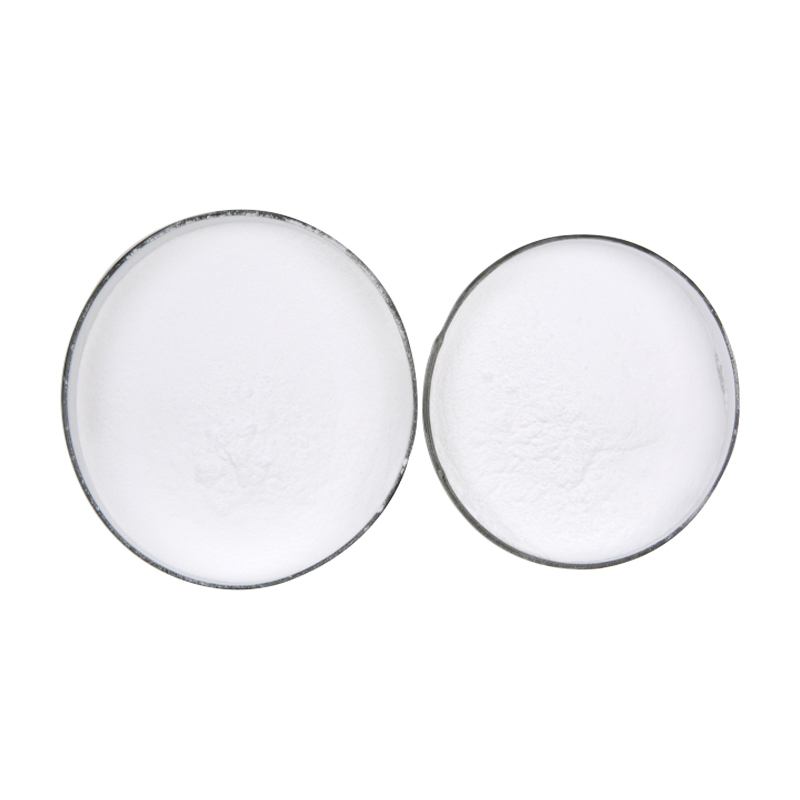 Calcium/Zinc One-Pack Heat Stabilizer for PVC Pipe ExtrusionThis stabilizer supports pipe compounds with 1-3 phr ACR, ensuring color hold and even melt flow during long, high-output runs. Its environmentally friendly formulation suits demanding pipe production.View Product →
Window and profile compounds
Profiles are the most demanding partner for ACR on the rigid side. With 4-8 phr of ACR, the compound reaches the die fully fused and passes repeatedly through the calibrator, which adds contact heat and shear to the melt. A calcium/zinc one-pack formulated for window profiles must maintain color hold during long runs and tolerate the wider processing window that different profile geometries require.
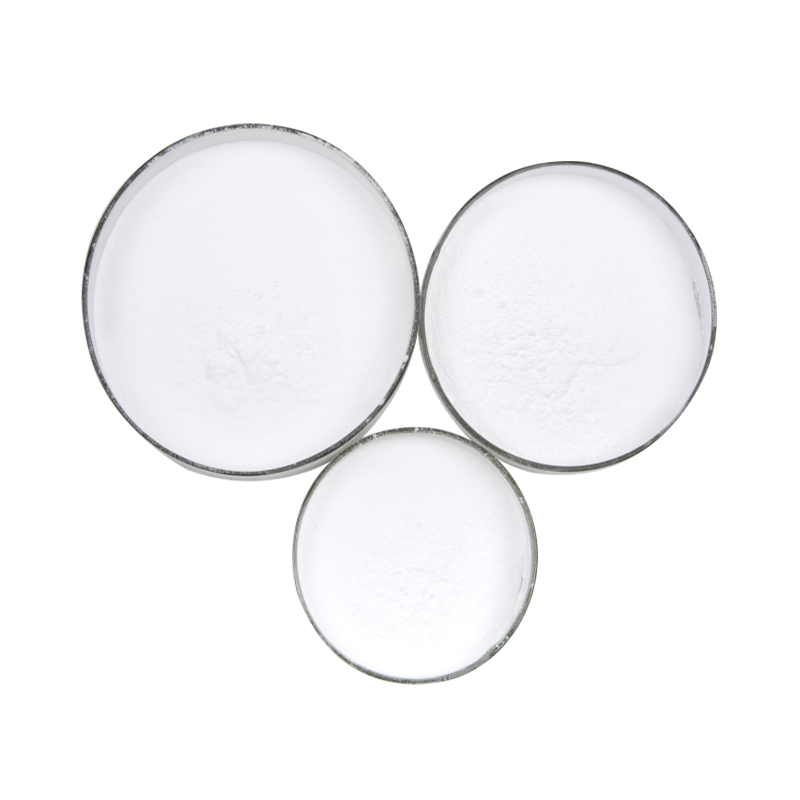 Calcium/Zinc One-Pack Heat Stabilizer for PVC Window ProfilesDesigned for profiles with 4-8 phr ACR, this stabilizer maintains color hold through repeated calibrator contact and wide processing windows. It offers excellent weather ability and long-term stability.View Product →
Foam board and Celuka compounds
At 6-10 phr of ACR, the melt behaves almost like a gel. The blowing gas is trapped, but the same elastic melt generates more frictional heat and stays longer in the die channel. Calcium/zinc one-pack stabilizers designed for boards have to prevent degradation at the skin, where the temperature is highest, while preserving the fine cell structure that determines the mechanical properties of the finished foam.
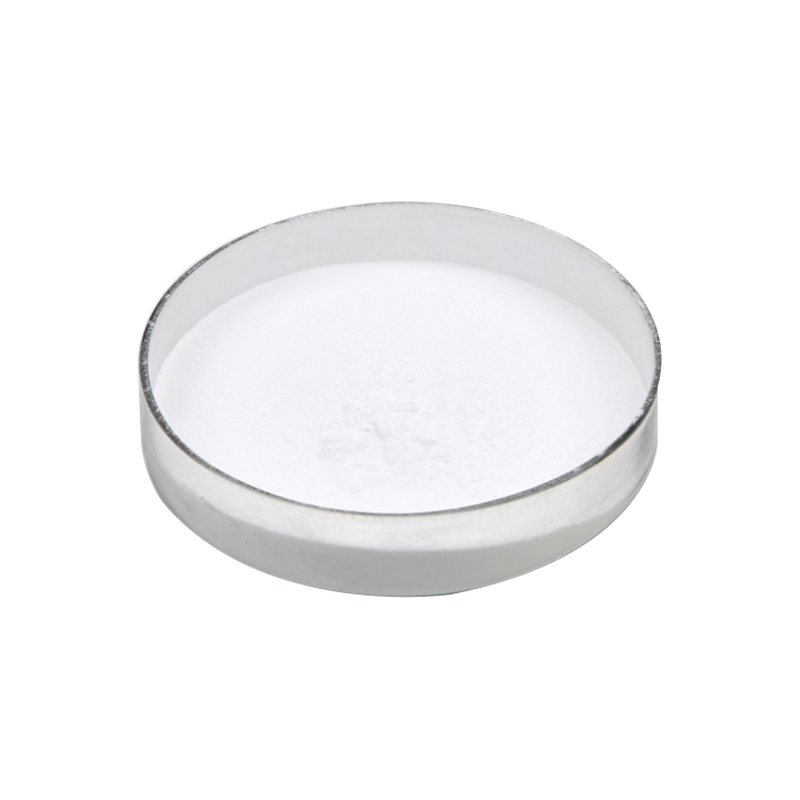 Calcium/Zinc One-Pack Heat Stabilizer for PVC Foam BoardsTailored for board compounds with 6-10 phr ACR, this stabilizer prevents skin degradation and preserves fine cell structure, ensuring stable foaming across different levels. Ideal for high-temperature processing.View Product →
Practical Checks Before Running the Modified Formula
When you change the ACR level, or replace a stabilizer type in an ACR-containing compound, verify the interaction before the trial goes to the production line:
- Run a fusion test on a torque rheometer. Compare fusion time, fusion torque, and temperature at fusion between the current and the proposed formulation. A much shorter fusion time with a higher torque peak indicates that external lubrication or stabilizer level needs correction.
- Check initial color and color hold at the highest barrel temperature you intend to use. ACR-supported melts reach full gelation earlier, so the worst color point often shifts from the last barrel zone to the metering zone.
- Measure die pressure and melt temperature at the same output rate as the current recipe. If the melt temperature rises by more than a few degrees, the stabilizer package should be adjusted rather than the process settings forced down.
- Monitor plate-out and die deposit on long runs. Plate-out is usually a lubrication balance issue, but severe plate-out can also be a signal that degraded resin is sticking to the metal surface and redepositing on the product.
Acrylic processing aid is a reliable solution to many fusion and surface problems in rigid PVC, but it only performs well when the formula around it is balanced. ACR shortens fusion time, raises melt strength, and improves surface quality; calcium/zinc one-pack stabilizers, in turn, protect the hotter and more elastic melt from degradation. Selecting the two together, with the correct dosage for the application, gives a more stable process and a more consistent product than tuning either additive on its own.
 Get a Quote
-
 +86-15206141222
-
 zptian2008@163.com
-
 No. 66, Xingsheng Road, Nandu Town, Liyang City, Jiangsu Province, China
Copyright © JiangSu Uniwel Chemistry Co.,Ltd. All Rights Reserved.
 PVC Stabilizer Manufacturer PVC Stabilizer Supplier PVC Stabilizer Factory in China