
 English
 Español
 عربى
عربى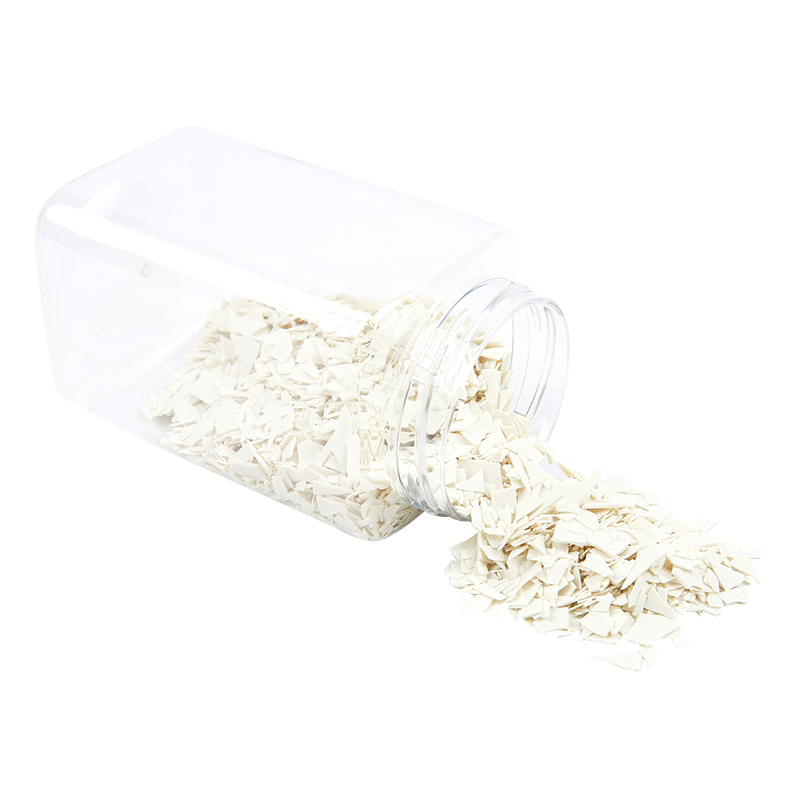
 View More

 Industry News
Home / News / Industry News / Lead-Based Stabilizers in PVC: Function, Applications, and Selection Guide
Lead-Based Stabilizers in PVC: Function, Applications, and Selection Guide
Complete Stabilizer Platforms for Every PVC Application
Content
Lead-based stabilizers remain one of the most effective and cost-efficient heat stabilization routes for rigid PVC, especially in pipe and window profile production. They provide long-term thermal protection, good electrical insulation, and a wide processing window that many processors still rely on. That does not mean they are free of regulatory pressure, but for plants that can control handling and end-market requirements, a lead-based one-pack stabilizer is a proven and predictable option.
What Is a Lead-Based Stabilizer?
A lead-based stabilizer is not a single chemical compound. It is a formulated one-pack system in which lead salts, typically tribasic lead sulfate, dibasic lead phosphite, or lead stearate, work alongside lubricants, antioxidants, and other co-stabilizers. The lead salts provide the primary heat-stabilizing effect, while the other components tailor the system for a specific process. For this reason, choosing a lead-based stabilizer is not just about lead content; it is about the overall formulation and how it behaves during extrusion, injection molding, or calendering.
How Lead-Based Stabilizers Prevent PVC Degradation
PVC degrades when its polymer chain releases hydrogen chloride under heat and shear. This reaction accelerates once it starts and causes discoloration, brittleness, and loss of electrical resistance. Lead salts interrupt this cycle. They act as HCl acceptors and exchange ligands with the unstable allylic chlorine atoms in the PVC chain. The result is a much slower rate of degradation.
At normal processing temperatures, a well-balanced lead-based stabilizer keeps the melt stable enough to hold the shape of a pipe or profile without staining or streaking. It also gives a broad residence-time window, which is useful when a line runs at variable speeds or uses regrind.
Typical Applications in PVC Processing
Lead-based one-pack systems are especially common in PVC pipe extrusion and window profile manufacturing, where long-term thermal stability and predictable melt behavior are critical. The same chemistry appears in cable conduit, injection-molded fittings, and some calendered products.
- PVC pressure pipes and drainage pipes
- Window and door profiles
- Cable conduit and ducting
- Pipe fittings and injection-molded parts
For PVC pipe extrusion, the stabilizer must tolerate high temperatures and provide long-term heat aging resistance. Our lead-based one-pack heat stabilizer for PVC pipes is designed around those requirements. For window profiles, the emphasis shifts to welding behavior and UV exposure. The lead-based one-pack heat stabilizer for PVC window profiles addresses that balance.
 PVC Window Profile Lead Based One Pack Stabilizer SuppliersAs PVC Window Profile Lead Based One Pack Stabilizer Suppliers and Factory in China, JiangSu Uniwel Chemistry Co.,Ltd. offer Custom Lead-...View Product →
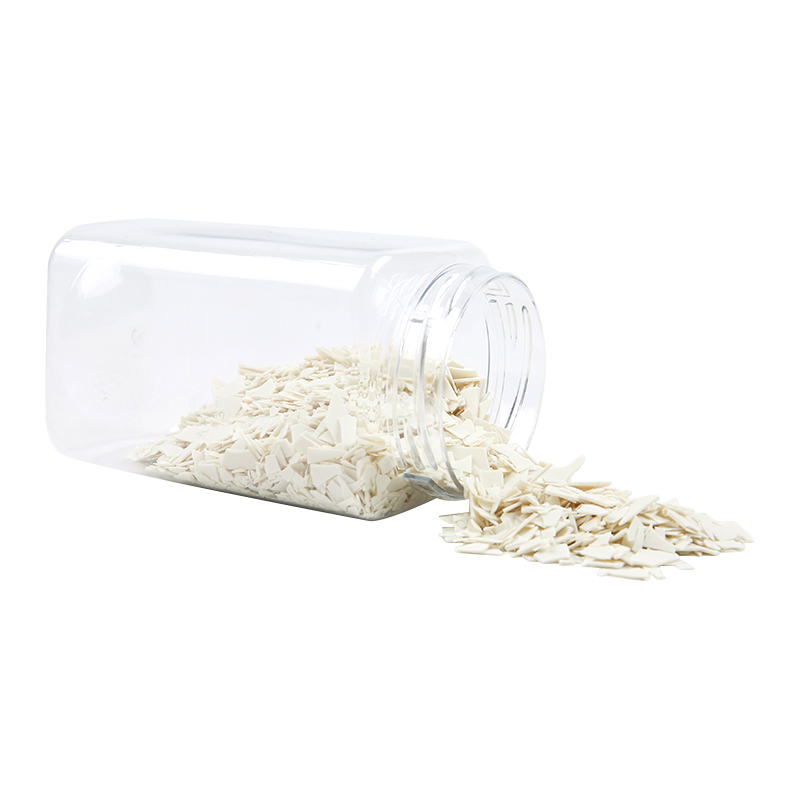 Lead Based One Pack Heat Stabilizer for PVC PipesJiangSu Uniwel Chemistry is China Supplier of Lead Based Stabilizer for PVC Pipes, Custom Lead Based One Pack Heat Stabilizer for PVC Pip...View Product →
Performance Strengths and Limitations
Lead-based stabilizers have earned their position through consistent performance. Their main strengths are long-term heat stability, high electrical resistivity, and a process-friendly range of lubrication and melt flow behavior. They also tend to be more economical on a cost-per-unit basis than most lead-free alternatives.
The limitations are equally clear. Lead requires careful handling, dust control, and waste management. Some markets restrict lead-containing PVC because of environmental standards, drinking-water regulations, or recycling concerns. In addition, a poorly balanced lead-based formulation can cause plate-out, surface bloom, or poor weld strength in profile joints.
These trade-offs are well understood. The decision depends on where the finished product will be sold and whether your plant can handle the associated occupational hygiene requirements.
Lead-Based vs. Lead-Free Stabilizers: A Practical Comparison
Comparing lead-based and calcium-zinc stabilizers is not about which one is better in absolute terms. It is about matching the stabilizer to the product specification, the production environment, and the market. Lead-based systems usually win on cost and broad processing latitude. Calcium-zinc systems avoid lead restrictions but require tighter formulation control and often a higher stabilizer dosage.
| Property | Lead-Based One-Pack | Calcium-Zinc One-Pack |
|---|---|---|
| Long-term heat stability | Excellent | Good to very good |
| Electrical insulation | High | Good |
| Weathering performance | Good | Good with the right formulation |
| Processing latitude | Wide | Narrower |
| Regulatory pressure | High in some markets | Low |
| Relative cost | Lower | Higher |
If you are planning a lead-free transition, a viable first step is to evaluate a calcium-zinc one-pack stabilizer on the same machine. Our calcium-zinc one-pack heat stabilizer for PVC pipes offers a lower-toxicity option for pipe producers who want to keep a single-pack dosing system.
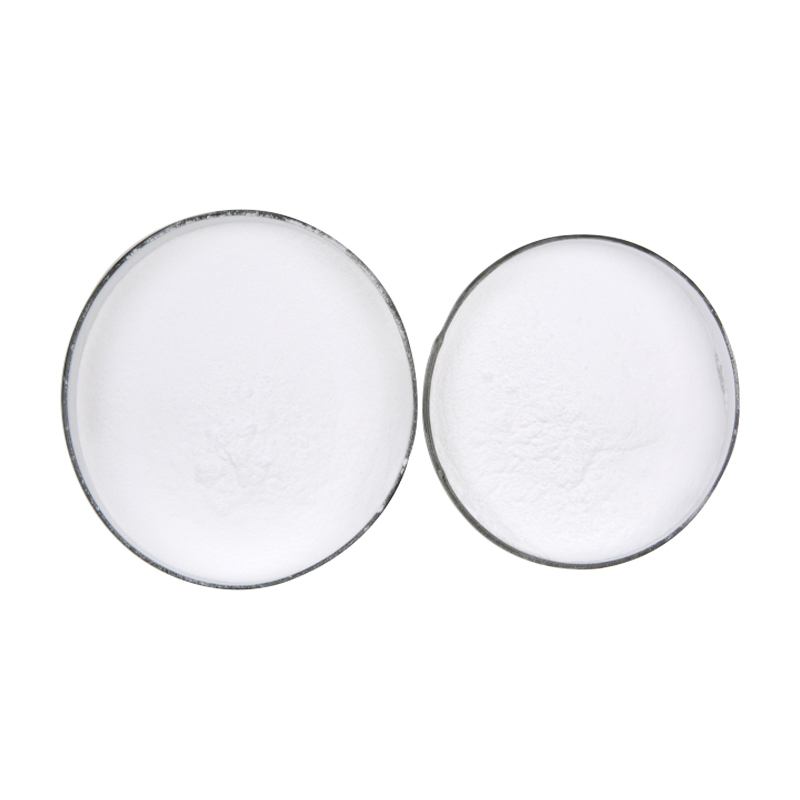 Calcium/Zinc One Pack Stabilizer For PVC PipeAs PVC Pipe Calcium/Zinc One Pack Stabilizer Suppliers and Factory in China, JiangSu Uniwel Chemistry Co.,Ltd. offer Wholesale Environmen...View Product →
How to Select a Lead-Based Stabilizer Supplier
Selecting a supplier involves more than requesting a sample. Look for evidence of consistent production: ISO 9001 quality management, environmental management certification, and a documented process for batch-to-batch control. Ask about particle size and dust suppression, because lead exposure is largely a dust issue. Check whether the supplier can provide technical support for screw design, lubrication, and troubleshooting. A manufacturer with decades of PVC stabilizer experience and participation in national standards is more likely to understand how heat stabilizers interact with different resin grades.
When testing a lead-based stabilizer, evaluate not only initial color but also long-term heat aging, retention of mechanical properties, and plate-out behavior. Do not compare samples on a single hour's lab test alone. Run the same sample on your production line for a full shift, then inspect the calender rolls, the vacuum hopper, and the quality of recycled edge trim.
Lead-based stabilizers still have a place in PVC processing, but only when the supplier, the formulation, and the end market are aligned. Understand the chemistry, verify the supplier, and test the system under real production conditions. That approach gives you a reliable stabilizer choice regardless of which direction the regulatory environment takes.


Let’s Build the Future Together
We are a company specializing in the research, development, production, and sale of PVC stabilizers.
Get a Quote
Product Categories
Quick Links
Contant us
-
 +86-15206141222
-
 zptian2008@163.com
-
 No. 66, Xingsheng Road, Nandu Town, Liyang City, Jiangsu Province, China
Copyright © JiangSu Uniwel Chemistry Co.,Ltd. All Rights Reserved.
 PVC Stabilizer Manufacturer PVC Stabilizer Supplier PVC Stabilizer Factory in China