View More
Industry News
Industry News
Content
A calcium zinc stabilizer protects PVC from heat and UV degradation during processing without relying on lead or cadmium, making it the standard choice for pipes, profiles, cables, and food-contact applications that need both thermal stability and regulatory compliance.
PVC resin begins to degrade at temperatures above 140 degrees Celsius, releasing hydrochloric acid that darkens the material and weakens its mechanical strength. A calcium zinc stabilizer neutralizes this acid and interrupts the dehydrochlorination chain reaction, allowing processors to extrude or injection mold PVC at typical working temperatures of 170 to 200 degrees Celsius without discoloration or brittleness.
Unlike lead-based systems, calcium zinc formulas contain no heavy metals, which is why they now account for a large share of stabilizer demand in Europe and increasingly in Asia, where environmental packaging and pipe regulations have tightened over the past decade.
A calcium zinc one pack heat stabilizer combines the stabilizer, lubricants, and processing aids into a single pre-mixed component, so a compounder does not need to weigh and blend separate additives on the production floor. This reduces formulation errors and shortens batching time.
Processors switching from multi-component blends to one pack systems commonly report a 10 to 15 percent reduction in mixing time per batch, based on typical compounding line throughput data.
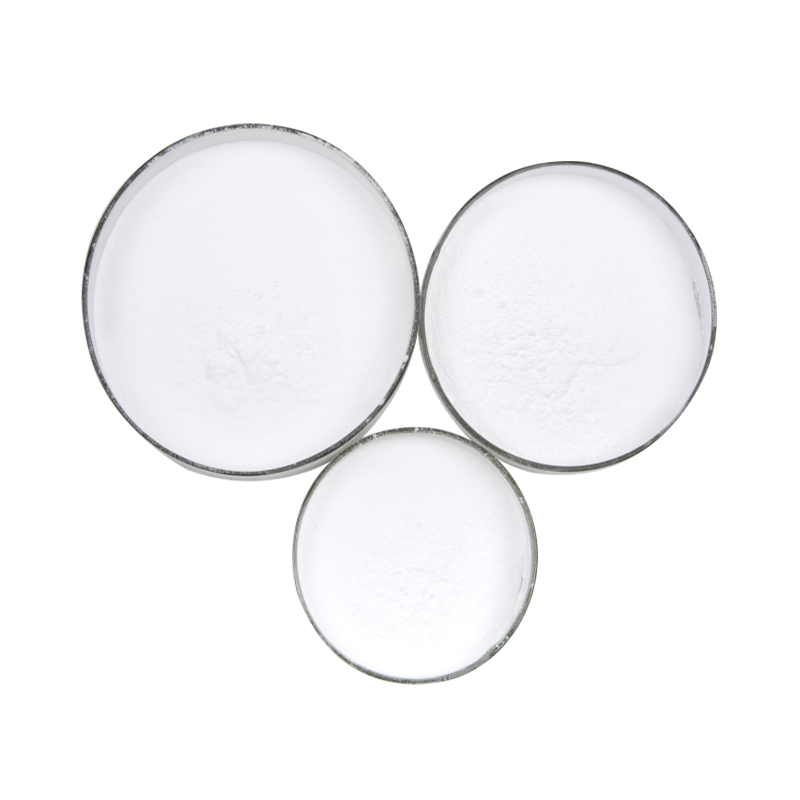
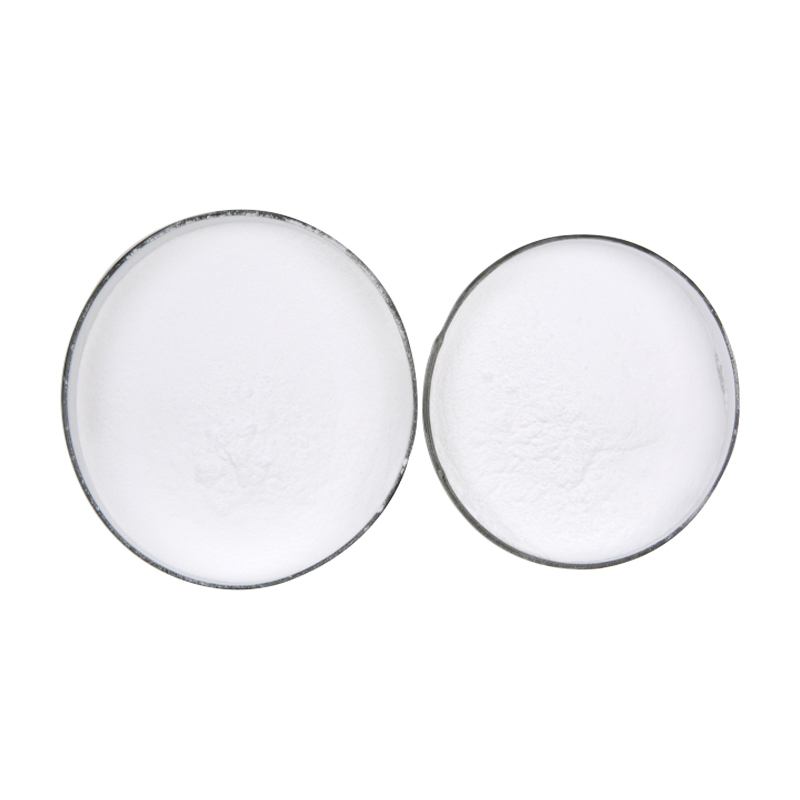
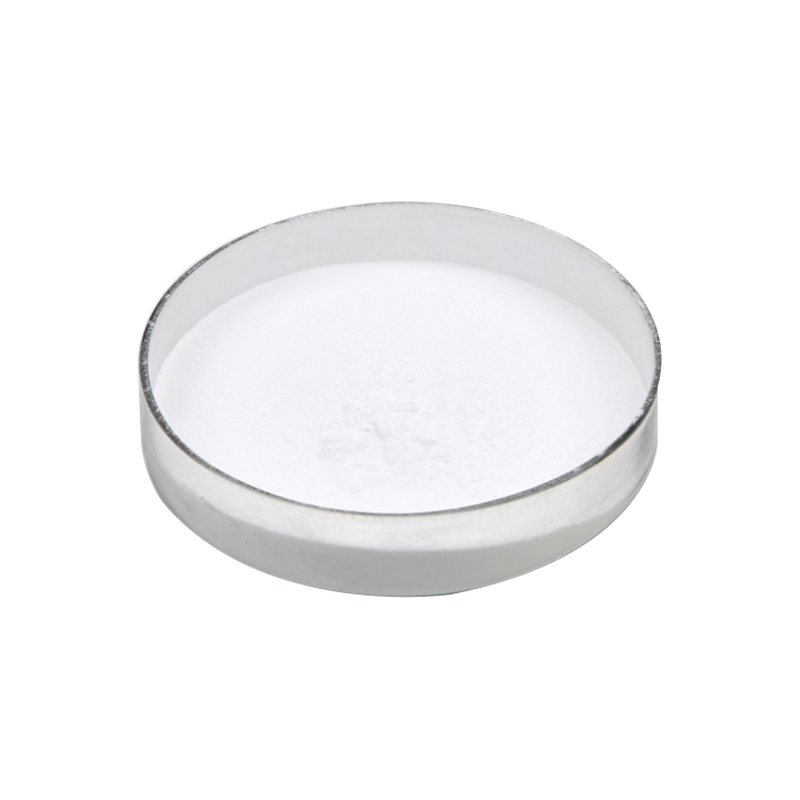
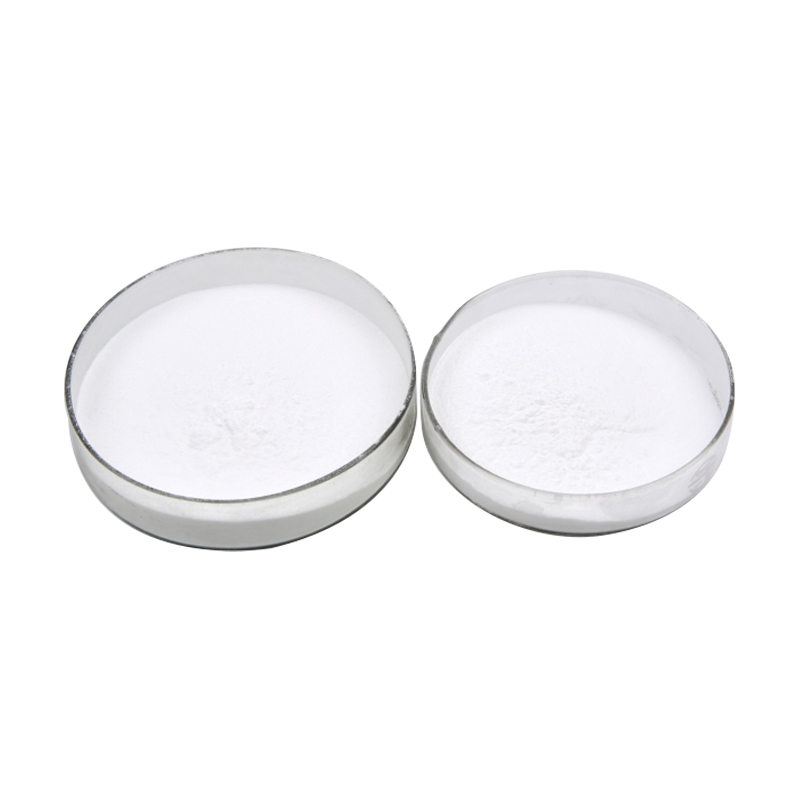
A powder calcium zinc PVC stabilizer disperses more evenly in dry blending equipment than liquid or paste versions, which matters most for rigid PVC pipe and profile lines that use high-speed mixers. Powder form also has a longer shelf life, typically 18 to 24 months when stored in sealed, moisture-free conditions, compared to shorter stability windows for some liquid blends.
| Form | Typical Use | Dispersion | Shelf Life |
|---|---|---|---|
| Powder | Rigid pipe, profile, sheet | Even in dry blends | 18 to 24 months |
| Liquid | Flexible film, cable | Fast in plasticized systems | 6 to 12 months |
| Paste | Wire coating, calendaring | Moderate, needs stirring | 9 to 12 months |
Dosage of a calcium zinc stabilizer for PVC generally falls between 2 and 5 parts per hundred resin, depending on the application and processing method. Rigid pipe formulations tend to sit at the lower end, while flexible profiles and cable compounds often need higher loading to offset plasticizer interaction.
Overdosing beyond the recommended range does not improve heat resistance further and can instead cause plate-out on rollers and dies, so processors should validate dosage through small-batch trials before committing to full production runs.
Calcium zinc stabilizers appear across nearly every non-toxic PVC application because they meet food-contact and drinking water safety standards that lead and cadmium systems cannot.
Not all calcium zinc products perform equally, even within the same nominal formulation. Buyers should request a certificate of analysis confirming heavy metal content below detection limits, and should ask for heat stability test data showing color retention over at least 30 minutes at 180 degrees Celsius on a standard Congo red or oven aging test.
It also helps to compare particle size distribution for powder products, since finer, more uniform particles disperse faster and reduce the risk of specks or fisheyes in finished sheet and film.
Get a Quote
+86-15206141222
zptian2008@163.com
No. 66, Xingsheng Road, Nandu Town, Liyang City, Jiangsu Province, China
Copyright © JiangSu Uniwel Chemistry Co.,Ltd. All Rights Reserved.

PVC Stabilizer Manufacturer PVC Stabilizer Supplier PVC Stabilizer Factory in China