
 English
 Español
 عربى
عربى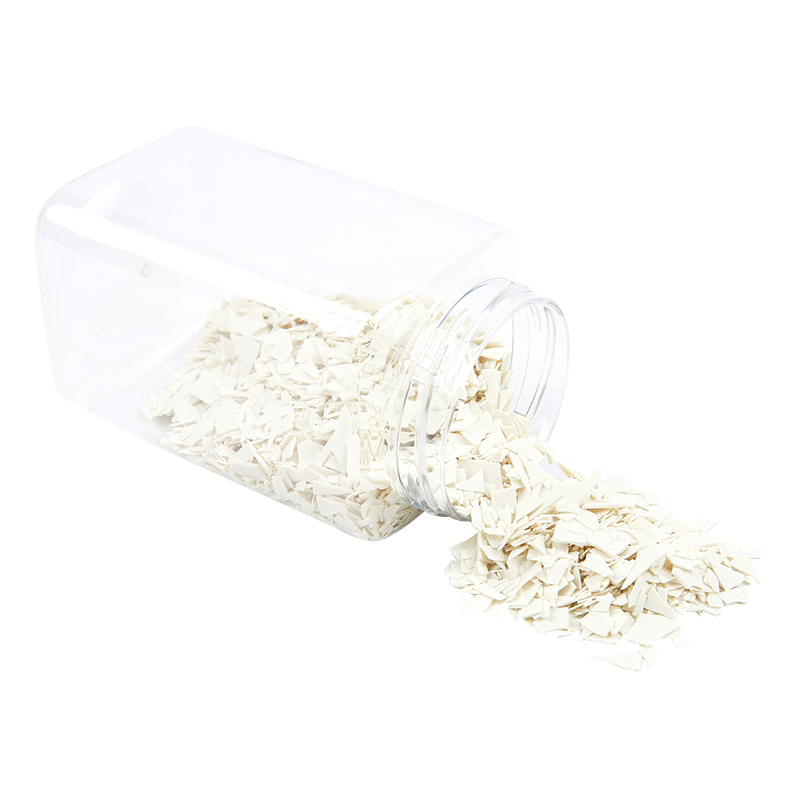
 View More

 Industry News
Home / News / Industry News / Acrylic Processing Aids in PVC: Grades, Dosage, Selection and Formulation Tips
Acrylic Processing Aids in PVC: Grades, Dosage, Selection and Formulation Tips
Complete Stabilizer Platforms for Every PVC Application
Content
A profile line that normally fuses in under three minutes starts running dry: the surface turns matte, head pressure swings by 15 bar, and the fusion peak on the torque rheometer arrives two minutes late. The first reflex on the shop floor is to add lubricant, which pushes fusion back even further and leaves the same rough surface behind. In most cases like this, the missing ingredient is an acrylic processing aid, and the correction is measured in fractions of a part per hundred resin.
Acrylic processing aids rarely cost the most per kilogram and almost never win an order on their own, yet they decide whether a profile line runs at 4.2 m/min or 3.1 m/min. The sections below cover what these additives are, how much to use, which grade families exist, how they interact with stabilizers and lubricants, and how to test one before booking a production run.
What Acrylic Processing Aids Actually Are
An acrylic processing aid is a high molecular weight acrylic copolymer, supplied as a free-flowing white powder, added to rigid PVC at roughly 0.5 to 3 phr to speed up fusion, raise melt strength and improve surface quality without altering the chemistry of the base formulation.
Acrylic processing aid: a polymer built mainly from methyl methacrylate and acrylate esters, with a PVC-compatible shell and a high molecular weight core, used to control gelation and melt rheology rather than to absorb impact energy.
Core-shell structure and behaviour in the melt
Most commercial grades are core-shell particles. The MMA-rich shell is compatible with PVC at processing temperature, so it wets the resin grains early in the compression zone. The core carries most of the molecular weight, typically several hundred thousand to a few million grams per mole, and those long chains entangle with the PVC primary particles once the grains break down. The practical result is a melt that resists sagging, draws cleanly at the die lip and holds gloss.
Processing aid or impact modifier
The two are often confused because both are acrylic powders with a core-shell architecture. They are not interchangeable.
Acrylic processing aid
- High molecular weight, no rubbery core
- Typical dosage 0.5 to 3 phr
- Delivers fusion speed, melt strength and gloss
- Contributes little impact resistance on its own
Acrylic impact modifier
- Low glass transition acrylate core as the rubber phase
- Typical dosage 4 to 8 phr
- Delivers notched impact and low temperature toughness
- Also speeds fusion, but is not a processing aid substitute
What Changes Inside the Melt
An acrylic processing aid changes four measurable parameters in a rigid PVC compound: fusion time, melt strength and elongation, die swell consistency, and surface gloss.
0.5-3phrtypical acrylic dosage in rigid PVC compounds
20-40%fasterfusion time versus an unaided compound
2-4xhighermelt elongation with high molecular weight grades
3.5 mintargetfusion peak for profile and pipe compounds
Mechanically, the additive bridges the primary particles. PVC grains of 100 to 200 micrometers break down into primary particles of about one micrometer during gelation; without a processing aid, part of that structure stays ungeled and shows up as unmelts at the die and inconsistent weld lines. The acrylic chains hold the particles together, lift the torque at the fusion peak and give the melt the elasticity it needs to survive calibration and draw-down.
The curve flattens quickly. Past roughly 2.5 phr the extra powder raises cost and head pressure without buying meaningful fusion time, which is why dosage should be tuned against a torque rheometer curve instead of a brochure range.
The response is not linear. Adding 0.5 phr to an over-lubricated compound may achieve nothing at all, because the lubricant has already pushed fusion beyond the point where the acrylic can act.
Grade Families and Typical Dosage
Acrylic processing aids are sold by function rather than by chemistry, and the grade family sets both the dosage and the result you can expect.
| Grade family | Dosage (phr) | Main effect | Typical application |
| Fast fusion | 0.5-1.5 | Shortens fusion time, improves clarity | Calendered film, transparent sheet |
| General purpose | 1.0-2.0 | Balanced fusion and melt strength | Window profiles, pipe |
| High melt strength | 1.5-3.0 | Controls sag, die swell and weld lines | Thick wall profile, foam board |
| Foam regulator | 3.0-8.0 | Uniform cell size, stable density | WPC Celuka, PVC foam board |
| Exterior grade | 1.0-2.5 | Gloss retention, weathering resistance | Outdoor profiles, siding |
Dosage is quoted per hundred parts of PVC resin, not per hundred parts of compound. In a mix holding 10 phr calcium carbonate and 6 phr impact modifier, 1.5 phr of acrylic is a small share of the recipe but a large share of the melt behaviour.
Where Acrylic Processing Aids Matter Most
The three rigid PVC product groups that lean hardest on acrylic processing aids are window and technical profiles, pipe and fittings, and foam-based board products.
Window and technical profiles
Profile extrusion punishes weak melts, because sizing, calibration vacuum and draw-down amplify every inconsistency. A general purpose grade at 1.0 to 1.5 phr is the normal starting point, balanced against the stabilizer level so the fusion peak lands between 2 and 3.5 minutes in the torque rheometer. Formulators working on PVC window profile systems usually pair the acrylic with 1.5 to 2.0 phr external lubricant to keep metal contact clean.
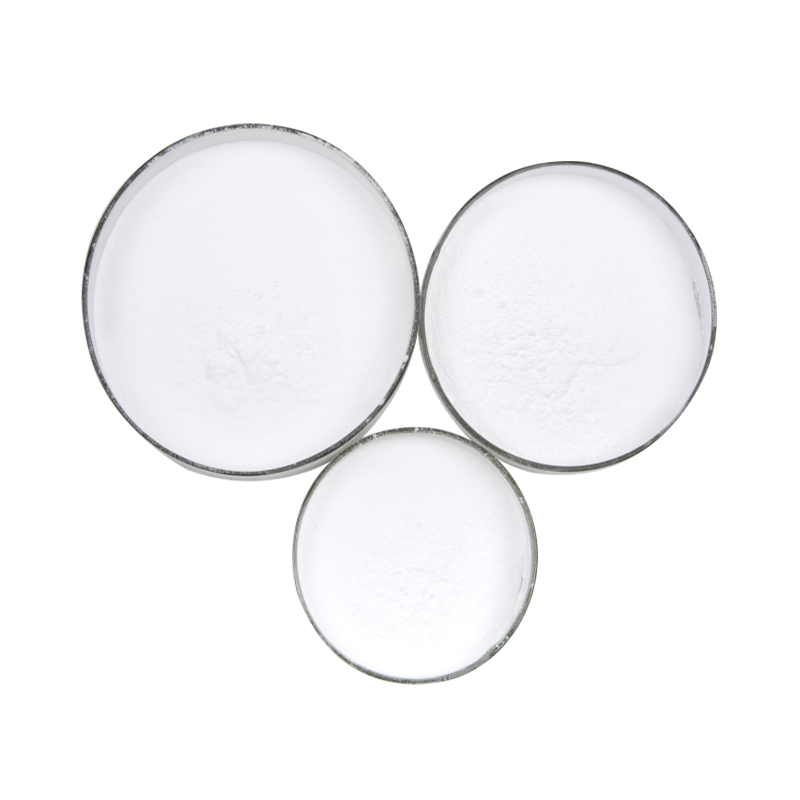 Calcium/Zinc One Pack Heat Stabilizer For PVC Window ProfilesCalcium/Zinc one pack heat stabilizer A.Calcium/Zinc one pack heat stabilizer for PVC window profiles Product Name: Ca/Zn heat stabilizer for PVC profiles Appearance: ...View Product →
Pipe and fittings
Pipe runs prioritize output rate and wall thickness control, so a fast fusion grade at 0.5 to 1.5 phr is often enough. Above 1.5 phr, head pressure climbs and the gain in output flattens. A calcium-zinc one pack stabilizer holds the thermal margin while the acrylic handles gelation.
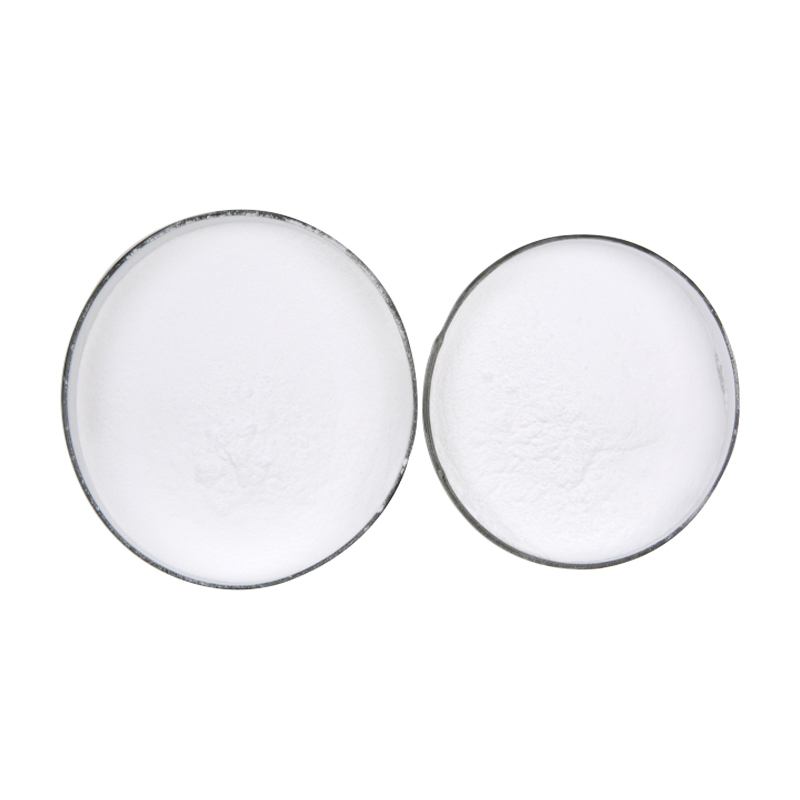 Calcium/Zinc One Pack Heat Stabilizer For PVC PipesCalcium/Zinc one pack heat stabilizer for PVC pipes Product Name: Ca/Zn heat stabilizer for PVC pipes Appearance: white or yellowish powder Characteristics: Environmen...View Product →
Foam board and WPC Celuka
Foamed PVC and wood-plastic Celuka profiles need the highest dosages, because the melt has to support cell growth without collapsing. Foam regulator grades at 3 to 8 phr control cell uniformity and density, and the stabilizer must hold colour through the longer residence time. Work on PVC foam board and WPC Celuka foaming shows how tightly the two additive families are linked.
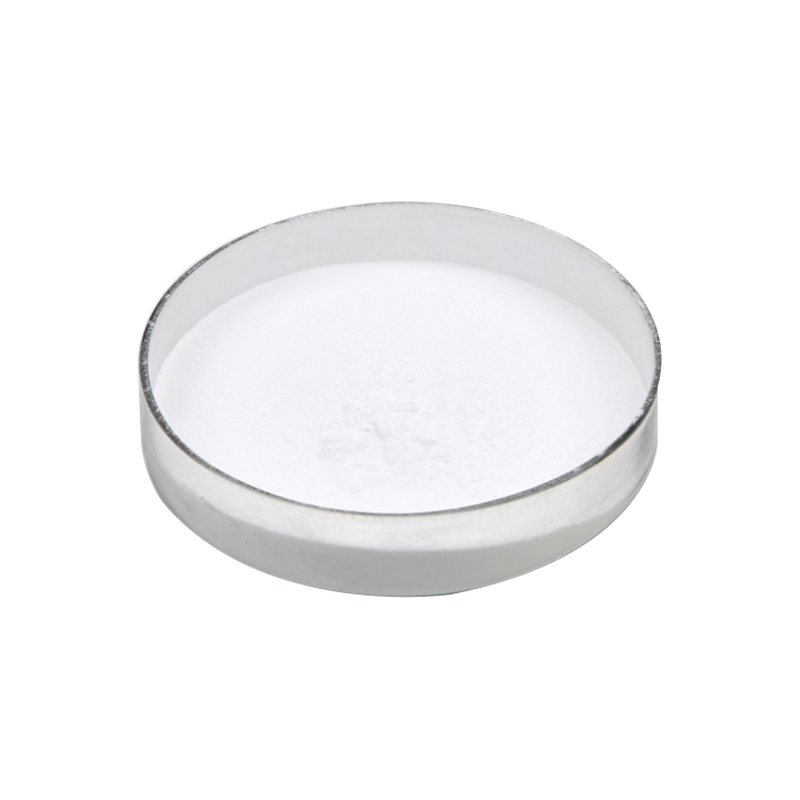 Calcium/Zinc One Pack Heat Stabilizer For PVC BoardsCalcium/Zinc one pack heat stabilizer for PVC boards Product Name: Ca/Zn heat stabilizer for PVC board Appearance: white or yellowish powder Characteristics: Environme...View Product →
Working dosage bands: pipe 0.5 to 1.5 phr, profiles 1.0 to 1.5 phr, foam board 3 to 8 phr. Anything above the band should be justified by a measured gain in output, surface or density control.
Keeping the Formulation Balanced
An acrylic processing aid changes melt elasticity, not slip, so it cannot repair a lubricant imbalance and will not compensate for an under-stabilized compound.
A processing aid is a rheology tool. If the compound is burning, gassing or plating out on the die lip, the answer sits in the stabilizer and lubricant package, not in a higher acrylic dosage.
Signs of too little
- Matte surface and unmelts at the die
- Low, unstable head pressure
- Weak weld lines in thick sections
Signs of too much
- Head pressure climbing with no output gain
- Plate-out on the die lip and calibrator
- Lower notched impact and higher compound cost
- Lubricant balance: internal lubricants compete for the same fusion window, so set the acrylic dose before trimming lubricant, not after.
- Filler loading: 10 phr calcium carbonate usually tolerates 1 phr of acrylic; above 20 phr, expect to move toward 1.5 phr to hold fusion.
- Impact modifiers: MBS, CPE and AIM already accelerate fusion, so cut the processing aid by 0.2 to 0.5 phr when 5 phr of impact modifier enters the recipe.
- Transparency: high molecular weight grades can haze clear sheet, so fast fusion grades are safer where clarity is specified.
How to Evaluate a Grade Before You Commit
Five checks will tell you whether a candidate acrylic processing aid fits a formulation before a production slot is booked.
Torque rheometer fusion test
Run at 190 C and 40 rpm with a 60 g sample, and record fusion time and equilibrium torque with and without the candidate at 1.0 phr.
Melt elongation and die swell
A high molecular weight grade should stretch further before break and show steadier die swell under the same draw-down.
Surface check
Extrude a tape on a lab line and measure 60 degree gloss against a reference compound rather than judging by eye.
Static thermal stability
Oven test at 190 C for 40 to 60 minutes to confirm the stabilizer margin did not shrink after the dosage change.
Pilot extrusion run
Thirty to sixty minutes at production rate, watching head pressure, output, surface and plate-out on the die lip.
Freeze a reference compound and keep testing against it: same resin lot, same stabilizer, same filler. Fusion data only means something when the baseline does not move underneath it.
Frequently Asked Questions
How much acrylic processing aid should I add to rigid PVC?
Start at 0.5 to 1.0 phr for pipe and 1.0 to 1.5 phr for profiles, then adjust against a torque rheometer fusion curve. Foam regulator grades run far higher, typically 3 to 8 phr.
Can an acrylic processing aid replace an impact modifier?
No. A processing aid raises fusion speed and melt strength but carries no rubber phase, so it cannot deliver notched impact or low temperature toughness. The two are normally used together at around 1 phr and 5 to 7 phr.
Do acrylic processing aids work with calcium-zinc stabilizers?
Yes. Fusion behaviour is governed by the acrylic, while the stabilizer governs colour hold and long term thermal margin. Calcium-zinc one pack systems work with the same acrylic dosages as lead-based systems.
Why does more processing aid sometimes make the surface worse?
Because the limiting factor is often lubricant or stabilizer balance. Over-dosing raises melt viscosity and head pressure, and the excess can plate out on the die lip, creating surface defects instead of removing them.
A single fusion curve from your own formulation is worth more than any dosage table, including this one.
When comparing suppliers, the data sheet matters less than the consistency behind it. Ask for molecular weight or intrinsic viscosity, bulk density, sieve residue and a fusion curve run on a formulation close to your own, then ask what the production tolerance is on each value. A processing aid that drifts by 10 percent in molecular weight between batches will show up as a wandering fusion peak long before it appears in a certificate of analysis. A partner that runs its own manufacturing base under ISO 9001 and ISO 14001, with decades of PVC additive production behind it, is usually the shortest route to that consistency.



Let’s Build the Future Together
We are a company specializing in the research, development, production, and sale of PVC stabilizers.
Get a Quote
Product Categories
Quick Links
Contant us
-
 +86-15206141222
-
 zptian2008@163.com
-
 No. 66, Xingsheng Road, Nandu Town, Liyang City, Jiangsu Province, China
Copyright © JiangSu Uniwel Chemistry Co.,Ltd. All Rights Reserved.
 PVC Stabilizer Manufacturer PVC Stabilizer Supplier PVC Stabilizer Factory in China