
 English
 Español
 عربى
عربى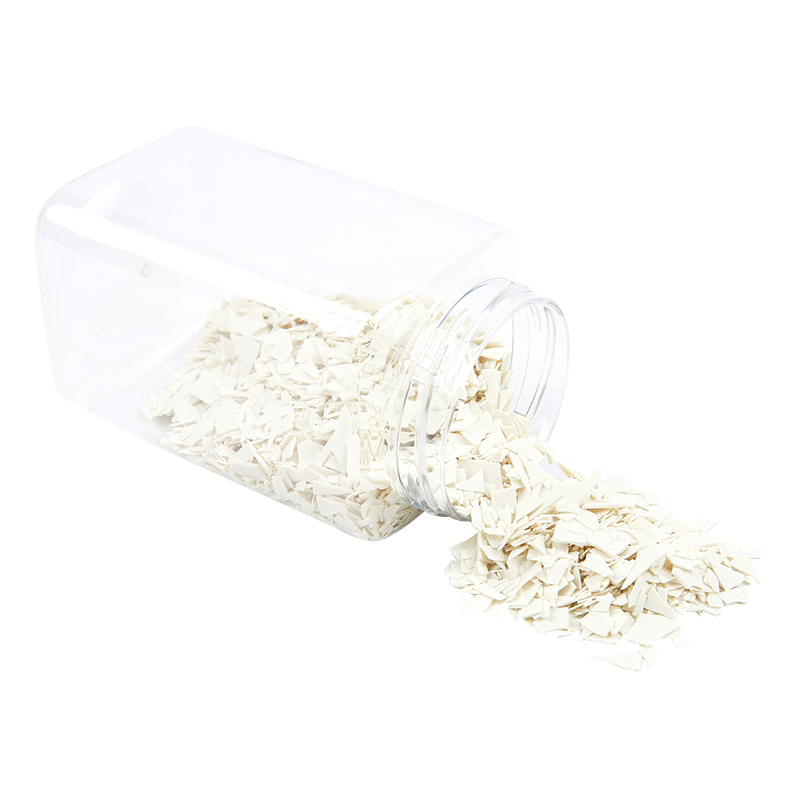
 View More

 Industry News
Home / News / Industry News / Lead-Based Stabilizer: How It Works, Uses, and Selection Considerations
Lead-Based Stabilizer: How It Works, Uses, and Selection Considerations
Complete Stabilizer Platforms for Every PVC Application
Content
An extruder operator watching a PVC window profile turn dark brown before it reaches the calibration table does not need an explanation of thermal degradation. The polymer is dehydrochlorinating, the chain is breaking down, and every minute of downtime costs real money. The right heat stabilizer prevents that. Among the most established options is the lead-based stabilizer, a family of PVC heat stabilizers that has been used commercially for decades.
This article explains what lead-based stabilizers are, how they work, and where they still perform well in industrial practice. It also compares them with lead-free alternatives so you can make an informed purchasing decision for your own production line.
What Is a Lead-Based Stabilizer?
Lead-based stabilizers are heat stabilizer systems formulated with basic lead salts, lead soaps, or a combination of the two, together with lubricants and auxiliary additives. They are used mainly in rigid PVC applications to prevent thermal degradation during melt processing and to preserve mechanical properties in the finished product.
Most processors now buy them as one-pack systems: a pre-measured blend of stabilizer, internal and external lubricants, and sometimes antioxidants or process aids. This form simplifies inventory, reduces dosing errors, and makes it easier to maintain consistent output from one production shift to the next.
Lead-based stabilizers are available with different lead levels, and the specific combination determines the balance between heat stability, lubrication, and weathering resistance. That modularity is one reason they can be tailored to different product geometries and processing conditions.
How Lead-Based Stabilizers Work
When PVC is processed above roughly 150°C, it begins to split off hydrogen chloride and create conjugated polyene sequences. The reaction is autocatalytic: hydrogen chloride accelerates further dehydrochlorination, which leads to discoloration, odor, loss of impact strength, and surface defects. Lead-based stabilizers interrupt this cycle.
Basic lead salts neutralize hydrogen chloride as it forms, preventing the acid from catalyzing further chain stripping. Lead soaps can also replace the most labile allylic chlorine atoms on the PVC backbone with more thermally stable groups. Because lead stearate is a good external lubricant, the same stabilizer package helps the melt flow through the barrel, die, and calibration unit, providing a wide processing window.
Some lead compounds, such as dibasic lead phosphite, add protection against ultraviolet light. That is one reason lead-based systems became a default choice for outdoor profiles that must survive decades of sunlight exposure. In practical terms, a well-stabilized PVC compound remains lighter in color during processing, keeps its melt viscosity stable, and produces a part that does not show brittleness or surface streaking.
Where Lead-Based Stabilizers Still Perform Well
PVC Pipes and Fittings
In pipe extrusion, the formulation must remain stable during prolonged residence in the barrel and then develop strong weld strength in the die. Lead-based one-pack systems are known for reliable long-term heat stability and high throughput. Industry estimates still put lead-based stabilization at roughly half of global PVC pipe volume, despite progressive substitution in some markets. For producers outside strict compliance regions, they remain a practical and cost-effective choice.
Pipe producers should also check weld strength after fusion tests, because a stabilizer that provides adequate color hold may still affect the welding characteristics of the finished fitting. Processors evaluating a new resin grade or screw design can use a PVC pipe and fitting application guide as a baseline. When the objective is a proven, economical system, a lead-based one-pack heat stabilizer for PVC pipes is a common reference point.
 Lead Based One Pack Heat Stabilizer for PVC PipesJiangSu Uniwel Chemistry is China Supplier of Lead Based Stabilizer for PVC Pipes, Custom Lead Based One Pack Heat Stabilizer for PVC Pip...View Product →
PVC Window Profiles
Window profiles combine rigid dimensional requirements with outdoor exposure. During extrusion, the profile must keep its shape while retaining impact strength and surface quality. Lead-based stabilizers, particularly those formulated with basic lead phosphite, provide the necessary heat stability and improve weathering resistance.
Changes in weather resistance are not always visible immediately, so accelerated weathering and color retention tests are important before committing to a full production run. Profile manufacturers can compare their processing parameters with the guidance in the PVC window profile application guide. For a system specifically designed for this application, a lead-based one-pack heat stabilizer for PVC window profiles is often the starting point for a plant trial.
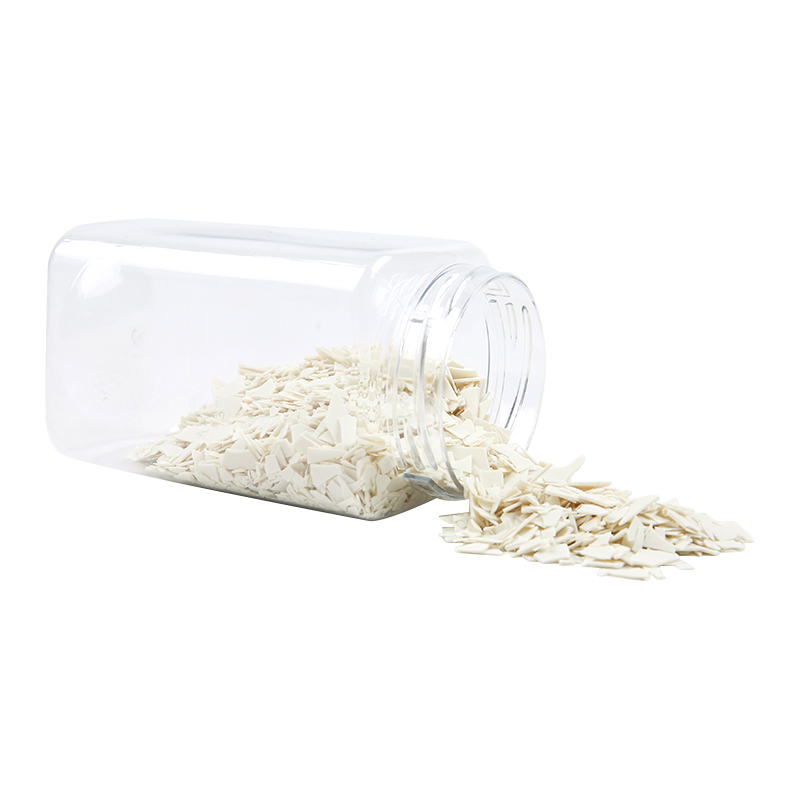
 PVC Window Profile Lead Based One Pack Stabilizer SuppliersAs PVC Window Profile Lead Based One Pack Stabilizer Suppliers and Factory in China, JiangSu Uniwel Chemistry Co.,Ltd. offer Custom Lead-...View Product →
Wires and Cables
Lead-based stabilizers have historically been used in PVC wire and cable compounds because they provide excellent electrical insulation values and resist heat aging. In many regions, however, this application has moved more quickly toward lead-free systems due to environmental standards. Calcium-zinc one-pack stabilizers are now the more common specification for new wire and cable production, while lead-based compounds remain in use in legacy or less regulated markets.
Key Performance Advantages and Comparison
The decision to stay with lead-based stabilization or move to a lead-free system depends on the full performance profile. The comparison below gives a practical overview of typical differences.
| Property | Lead-based one-pack | Calcium-zinc one-pack |
|---|---|---|
| Long-term heat stability | Excellent | Good to very good |
| Electrical insulation | Excellent | Good |
| Processing latitude | Broad | Narrower; requires careful lubrication |
| Relative cost per kilo | Lower to moderate | Moderate to higher |
| Regulatory pressure | High in restricted markets | Low in most markets |
For rigid extrusion with long residence times, lead-based systems often produce a wider processing window and superior long-term heat hold. Calcium-zinc systems can be engineered to match the performance, but the formulation must be adjusted to the screw geometry, die design, and filler level used by the processor. The right choice is not simply lead-based versus calcium-zinc; it is a matter of matching the stabilizer to the production environment.
Regulatory Pressure and Lead-Free Alternatives
Lead-based stabilizers face increasing restrictions in European, North American, and several Asian markets. Many lead compounds are now classified as Substances of Very High Concern under REACH, and some jurisdictions have moved toward phase-out deadlines. For any processor planning to export into those markets, the question is not whether to switch, but when.
Even in less regulated markets, customer preference and end-user questioning are pushing PVC converters to evaluate more sustainable alternatives. The closest plug-and-play replacement for many lead-based pipe applications is a calcium-zinc one-pack system. For a producer testing a replacement in pipe extrusion, a calcium-zinc one-pack heat stabilizer for PVC pipes is a practical starting point.
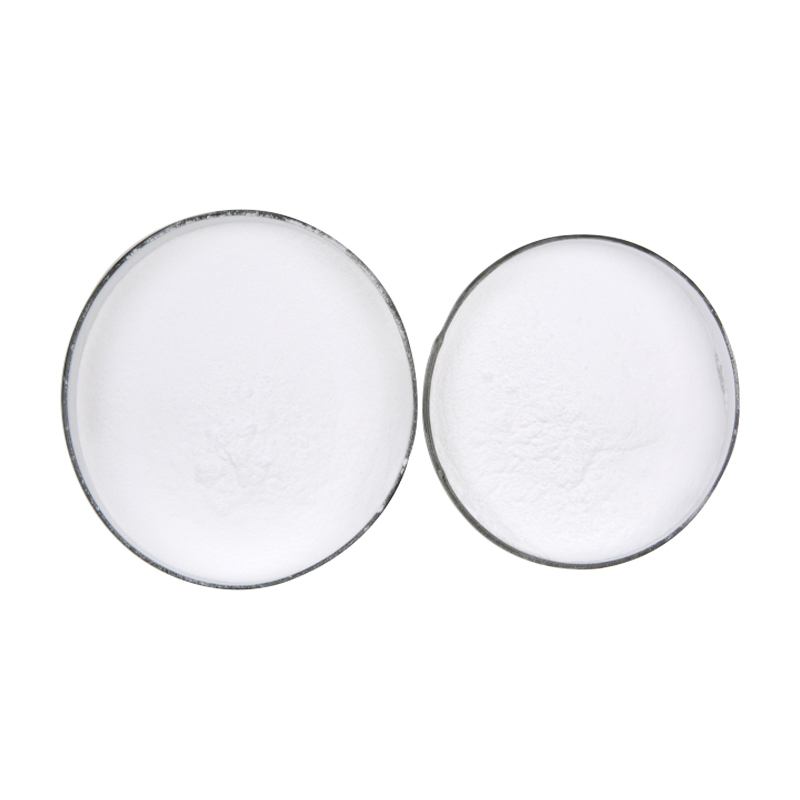 Calcium/Zinc One Pack Stabilizer For PVC PipeAs PVC Pipe Calcium/Zinc One Pack Stabilizer Suppliers and Factory in China, JiangSu Uniwel Chemistry Co.,Ltd. offer Wholesale Environmen...View Product →
At the same time, lead-based chemistry is not standing still. Some suppliers continue to improve the efficiency of lead-based one-pack systems, so the technology remains relevant in regions where it is still permitted. If you want to see where that development is heading, you can read about new applications of lead-based single-component heat stabilizers in PVC processing.
Choosing the Right Stabilizer for Your PVC Operation
Match the stabilizer to the processing method
Extrusion, injection molding, calendering, and foaming place different demands on a heat stabilizer. A system that works well in a pipe extrusion line may not be ideal for a calendered film line because residence time, shear rate, and formulation loads differ. Start with the production process, then define the processing window you need: temperature range, output rate, and acceptable cycle time.
Plan for future compliance changes
Processors who plan for eventual lead-free conversion avoid disruption later. A practical approach is to run calcium-zinc or barium-zinc formulations on the same production line, record the parameters, and compare the physical properties of the finished part. This creates a transition roadmap that can be activated quickly when regulatory or customer requirements change.
As a stabilizer manufacturer, we supply both lead-based and lead-free one-pack systems, which allows us to support a staged transition without forcing a complete reformulation. The most reliable way to choose is to test the candidate stabilizer under your own conditions rather than relying only on generic data sheets.
Final Takeaway
Lead-based stabilizers are not simply a legacy product. They remain a technically robust and cost-effective solution for many rigid PVC applications, particularly pipes and window profiles, and they still hold a measurable share of global consumption. At the same time, the regulatory direction is clear, and every processor should have a lead-free option ready.
The best choice for your operation depends on heat stability, processing behavior, electrical requirements, cost, and compliance targets. Define those parameters first, and the stabilizer selection becomes a much simpler engineering decision.


Let’s Build the Future Together
We are a company specializing in the research, development, production, and sale of PVC stabilizers.
Get a Quote
Product Categories
Quick Links
Contant us
-
 +86-15206141222
-
 zptian2008@163.com
-
 No. 66, Xingsheng Road, Nandu Town, Liyang City, Jiangsu Province, China
Copyright © JiangSu Uniwel Chemistry Co.,Ltd. All Rights Reserved.
 PVC Stabilizer Manufacturer PVC Stabilizer Supplier PVC Stabilizer Factory in China